Essential Equipment for Paramedics: Must-Have Gear for Effective Emergency Response
For EMTs and Paramedics, having the right equipment is crucial. You need to deliver effective patient care while ensuring safety in high-pressure situations.
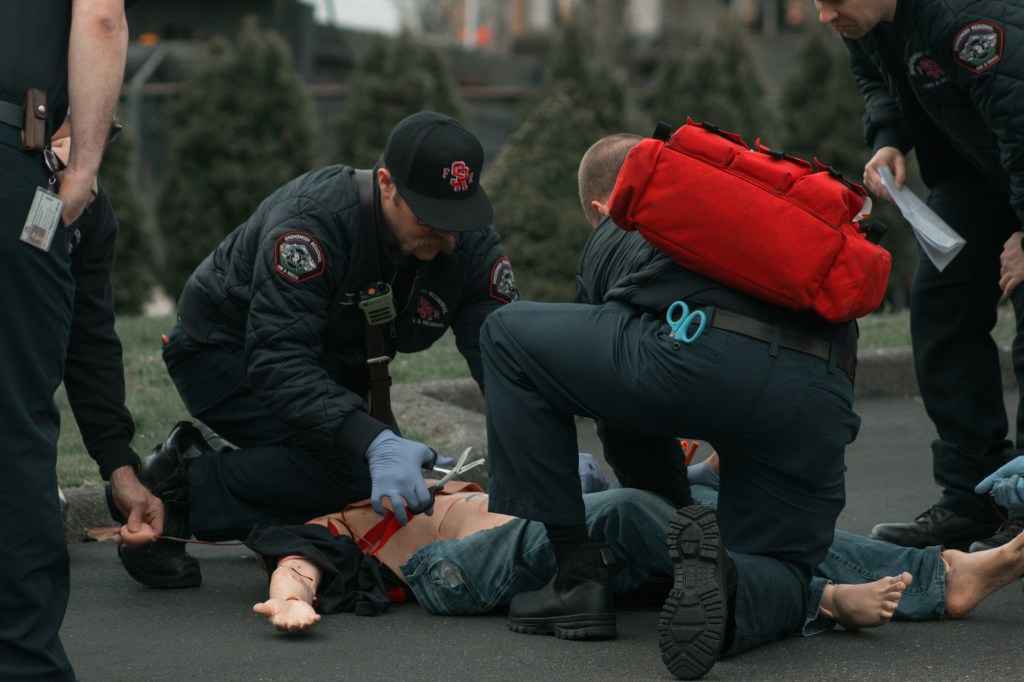
Understanding what equipment you need is important and makes all the difference in your performance.
In this guide, we’ll cover the must-have equipment for new Paramedics. Check the links for full recommendations to help you equip yourself for success.
Whether you’re just starting out or looking to upgrade your gear, we’ve got everything you need.
Why Having the Right Equipment Matters
In emergency medical services (EMS), having the right equipment is life or death. Being unprepared is the difference between a successful outcome and a missed opportunity.
Here’s why it’s essential to have the proper gear:
Efficiency. Our field has little room for error. Having the right tools lets you work faster. You need to be able to perform procedures quickly and accurately. You can’t do that if you’re trying to intubate with a bendy straw.
Safety: Not only your patients but yours too.
I’ve seen medics get blood splashed in their eyes more than once. Proper PPE means the difference between going home clean or with preventative anti-biotics. Something you really don’t want.
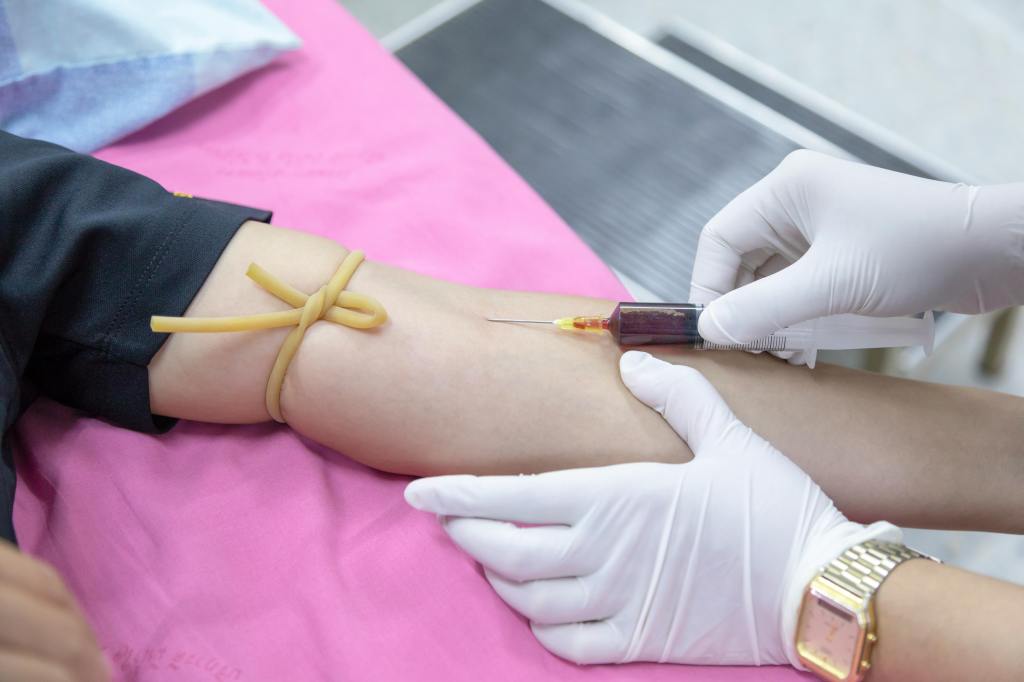
Compliance. Proper equipment helps you meet regulatory and certification requirements. Plus, expired equipment is a lawsuit waiting to happen.
Must-Have Equipment for Paramedics
If your only tool is a hammer, everything looks like a nail. Don’t be that medic. Always make sure you have the right tool for the job.
Here are some of the essential pieces of equipment that every Paramedic should have:
1. Portable Oxygen Kit
A portable oxygen kit is a fundamental piece of equipment. You should already be familiar with it from your EMT-B days.
Now as a medic, you have way more responsibility for providing respiratory support. Here’s what to look for:
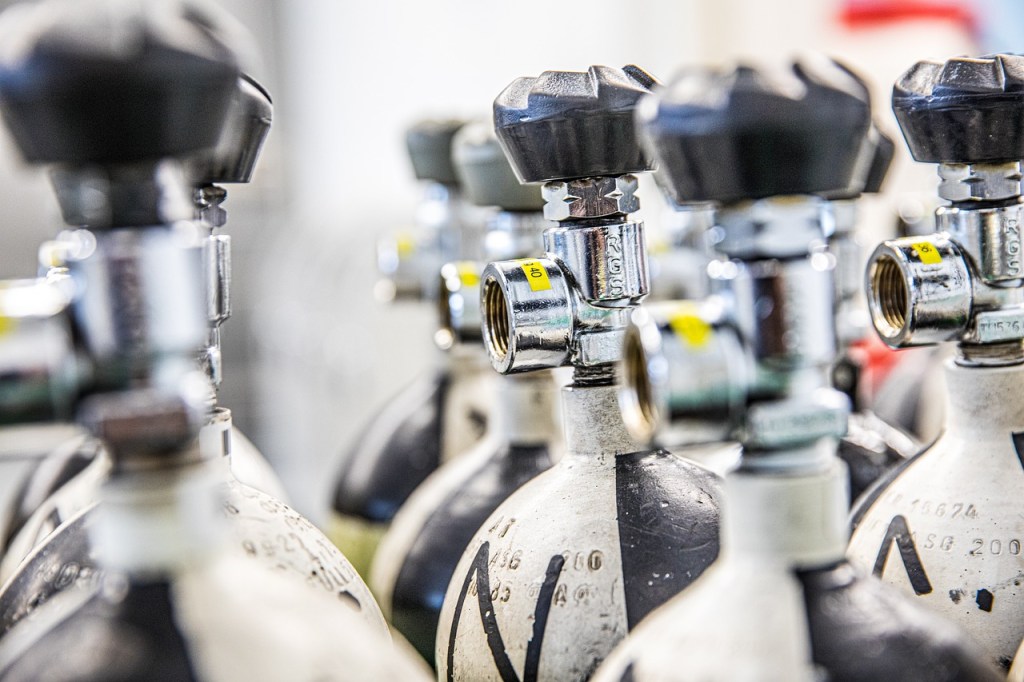
Find an easily carried cylinder. Better yet get one that fits in your jump bag. You don’t want to accidentally drop one.
Find bottles that come with their own wrenches. Having to carry your own wrench to turn on the bottle is a pain. They always get lost or broken right when you need them.
Always keep your ambulance supplied with SVN masks and Nasal cannulas. Non-rebreathers are essential too.
Your SVN (Small Volume Nebulizer) masks become way more useful as a paramedic. Now you can give life saving medications instead of just oxygen.
2. Personal Trauma Bag
A trauma bag is essential for carrying and organizing medical supplies and tools. Key features include:
Multiple Compartments. We’re all a little OCD. We want well-organized sections for different types of equipment and supplies. Like anything else, you need to know exactly where your equipment is and how to access it fast.
Durable Construction: EMS is tough on gear. Get something rugged and water-resistant. There are a lot of good bags that meet the demands of EMS crews.
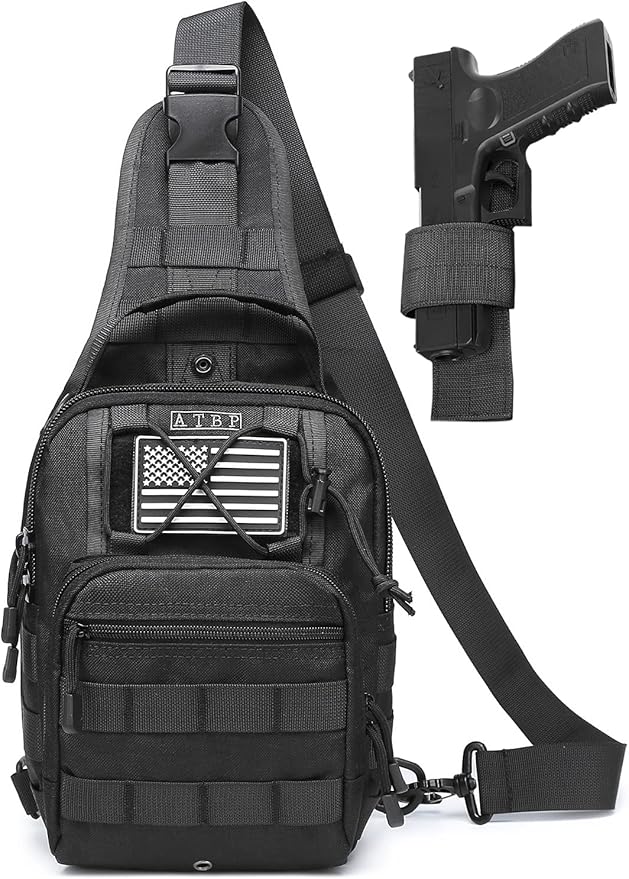
And the cool factor. If it looks dumb you won’t use it. Find something that makes you feel a little like a badass.
You get some bonus points if there’s Velcro on your bag. Everyone loves a good Medic patch.
Recommended Product:
Here’s my choice of personal bag. Yes, it’s technically a gun pouch but that makes it even cooler. It has all the essentials; Velcro, multiple pouches, and easy access.
It even comes in black. Done deal.
3. Cardiac Monitor
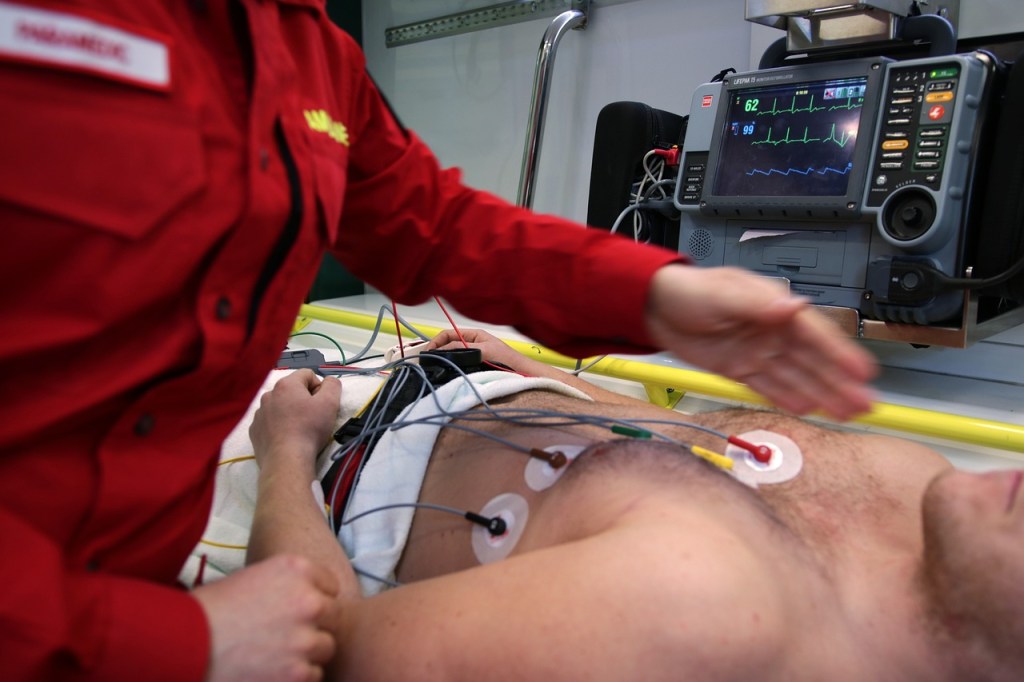
A good cardiac monitor with AED is crucial for responding to cardiac emergencies. Here’s what you should know:
User-Friendly: Look for models with clear, fool-proof instructions for use. In a hectic situation you can’t be reading an owner’s manual to figure things out.
Compact Design: Ensure it’s portable and easy to carry. You’ll be bringing this with you on every call.
But not too compact. Certain models are so cramped they’re difficult to use. There is a good middle ground and you need to find yours.
Battery Life: Choose a monitor with a long battery life and reliable performance. EMS is getting busier every year. We don’t always have the luxury of going back to the station between calls.
Your cardiac monitor needs to have the stamina to go round after round. Of CPR, obviously.

Recommended Product:
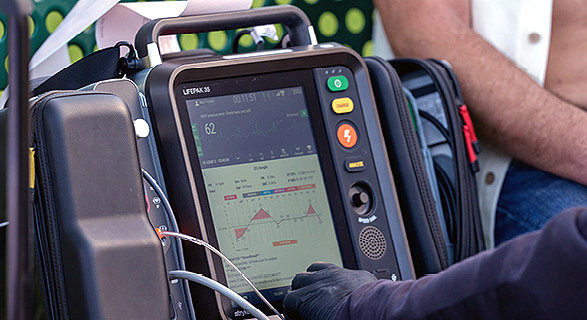
The LifePak 35 is a killer product. I got to play with one recently and it was love at first sight.
It has a crazy battery life, easy to read, and the connections are beautiful. Get your hands on one and you’ll never go back.
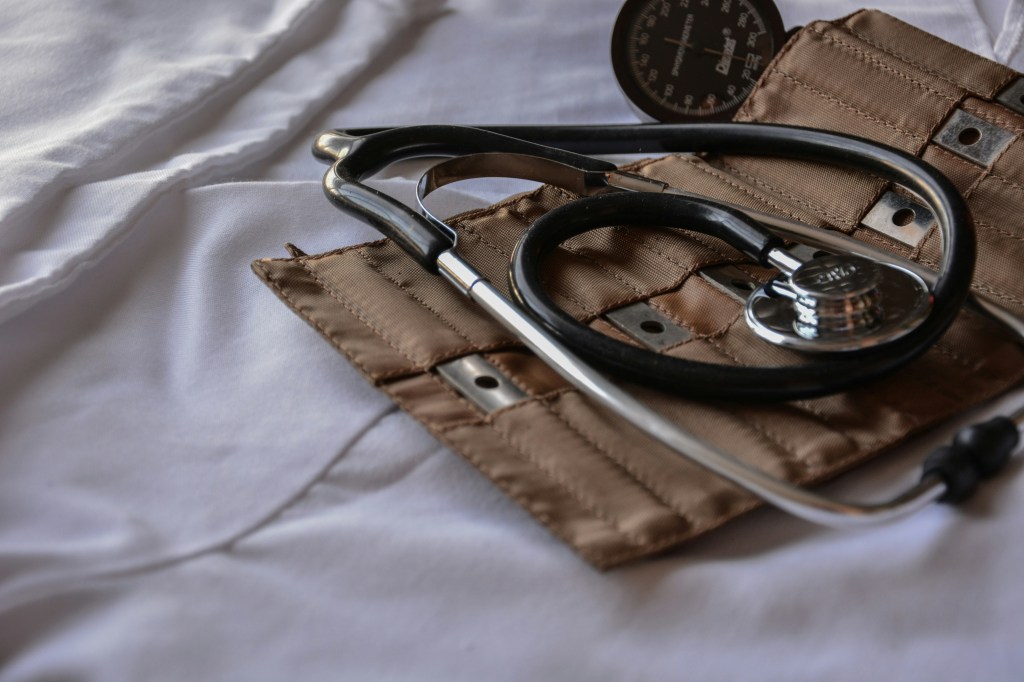
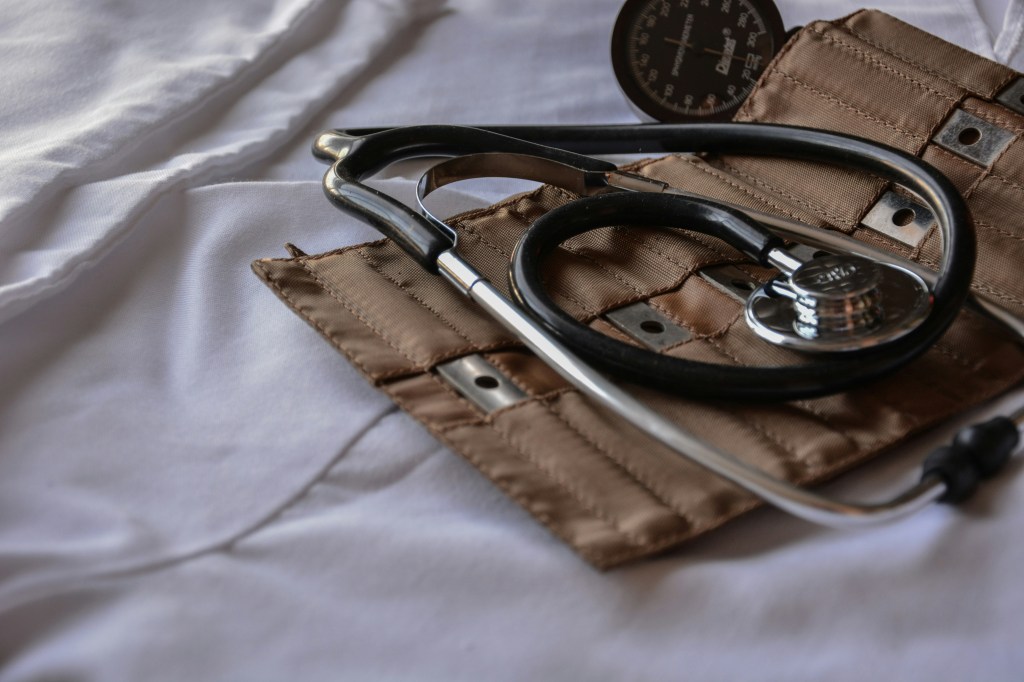
4. Stethoscope
They aren’t used enough in the field.
A high-quality stethoscope is a necessary tool for great patient care.
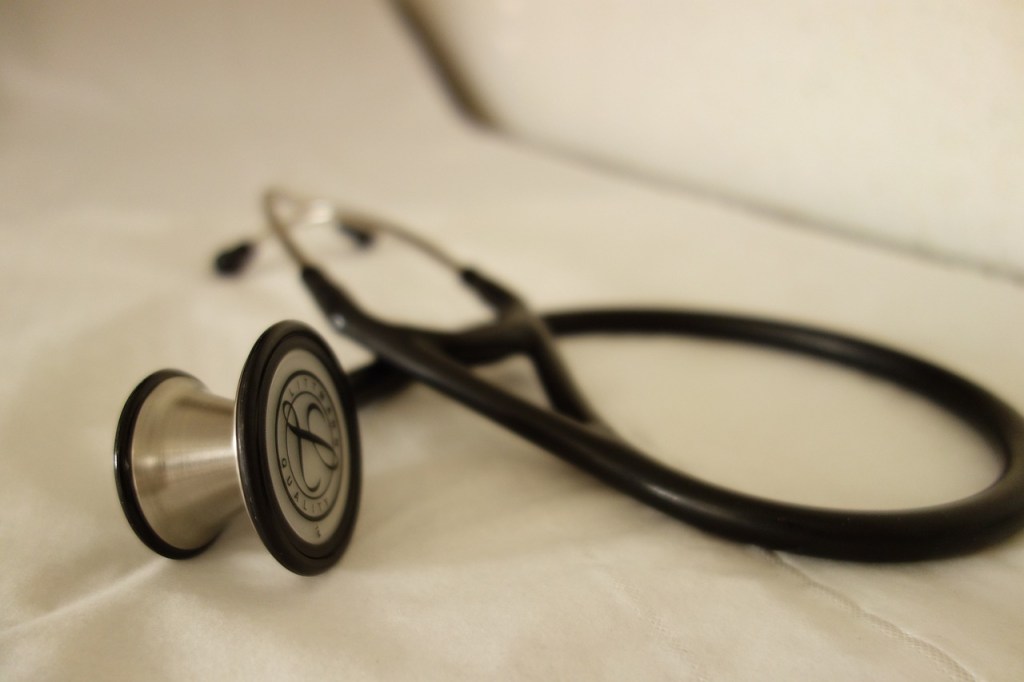
Durability: Look for a model with sturdy construction and high-quality materials.
Don’t get too fancy. You want something easy to use. There are high-tech options out there now but that’s not what you need.
Simple and reliable is what you’re going for.
Recommended Product:
Littmann provides Premium Stethoscopes. Known for its superior acoustic performance, durability, and comfort for extended use.
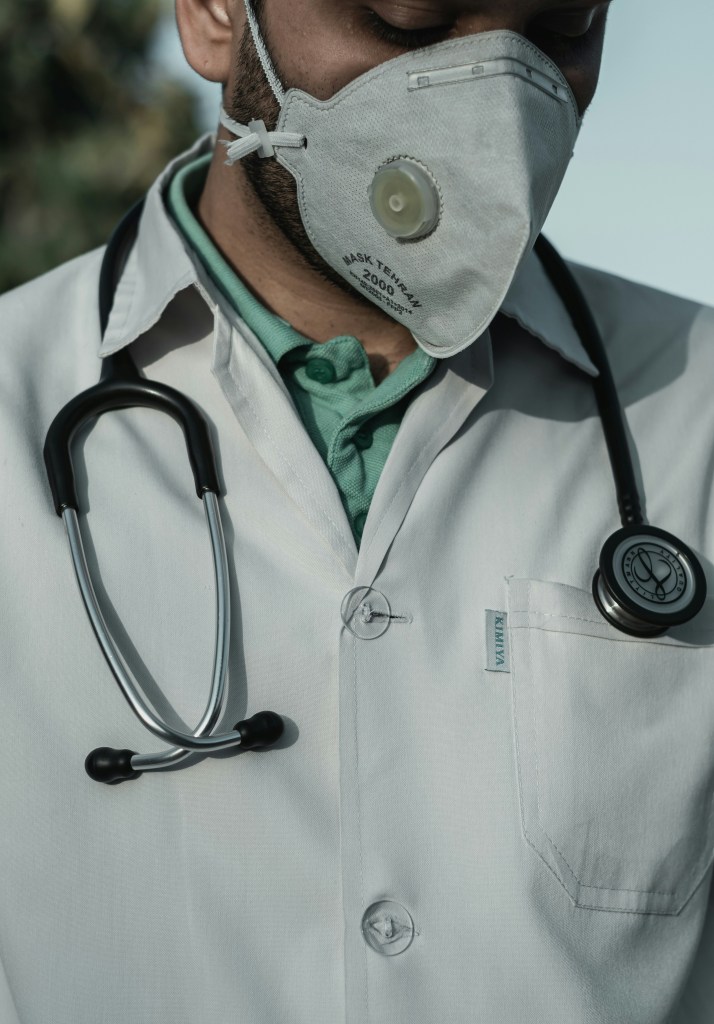
These are the most common stethoscopes in the field for a reason. The do their job and they do it well.
5. Safety Glasses
Wear them on every call. Period. End of discussion.
I know they suck sometimes, that’s why it’s important to get a good pair. The free ones just don’t cut it.

You want a pair that gives you a full range of protection on calls. Blood and vomit splash back is gross enough, you really don’t want it in your eyes.
Safety glasses should cover you from above, below, and both sides.
Find something that stays on your head. Straps are pretty easy to find but they bother my head too much. A good pair has anti-slip legs to keep them on even while sweating.
There’s nothing worse than dropping your glasses on a patient during CPR.
Recommended Product:
You have a few options here. 3M has some great options that provide excellent protection. They stay on and have anti-fog lenses. Super important when you need to get a critical IV. Plus these don’t make you look like a dork.
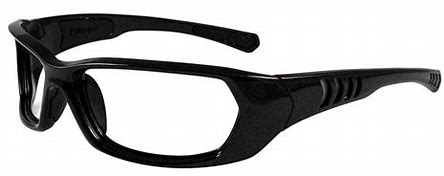
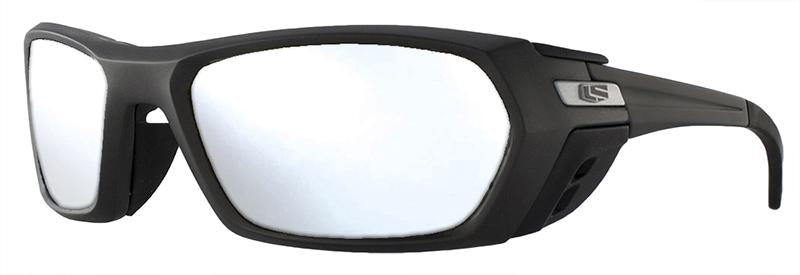
But if you’re like me, you already wear glasses. RecSpecs has some of the best prescription safety glasses on the market. Check them out if you’re a four eyes like me.
How to Choose the Right Equipment
Reviews are great when it comes to selecting equipment, but nothing beats hands on experience.
Contact vendors and see if you can try out different tools. Even if you can’t give it a full test run, getting your hands on it is game-changing.
Double check that your local protocols let you use your own gear. If not, use what your department provides. And never use something out of your scope.
As obvious as that sounds, I’m obligated to remind you of that.

Maintaining Your Equipment
Maintain your equipment the right way. It will last longer.
We beat up our gear enough, at least try to keep it operational.
There are too many different types of equipment to go over every maintenance procedure. When you buy yours, follow the manufacturer’s recommendations. They built it, so they know best.
Check your gear regularly. You should do a daily function check of all equipment you plan to use. Then do a more thorough monthly check. These checks find signs of wear and tear long before the equipment breaks down.
Clean your gear by the manufacturer’s standards. Cleaning solutions can break down certain materials if they are too harsh.
Store it properly. Sunlight specifically can degrade your equipment faster than you realize. Especially if you live somewhere with a lot of direct sunlight, like Arizona.
Proper storage also prevents thievery. I know we all want to trust our brothers and sisters in the field but things have a tendency to walk away if left out. If it’s yours, lock it up.
Recommended Equipment for EMTs and Paramedics
Here the list of all the equipment we recommended today…
- ATBP Tactical Sling Bag
- LifePak 35 by Stryker
- Littmann Premium Stethoscopes
- 3M Eye Pro
- Prescription Eye Pro by RecSpecs
Put as many tools into your toolbox as possible. Make your gear bag look like Batman’s utility belt.
If you need something, know where to find it quickly and how to use it efficiently. By investing in quality equipment and maintaining it properly, you’ll be well-prepared to handle any emergency
That’s all for today. If you want access to more resources for your Paramedic journey, find our homepage HERE.

 The Medic Mentor
Leave a comment