Navigating Paramedic Certification and Recertification: Your Complete Guide
Getting your Paramedic NREMT certification is a vital step in your EMS career.
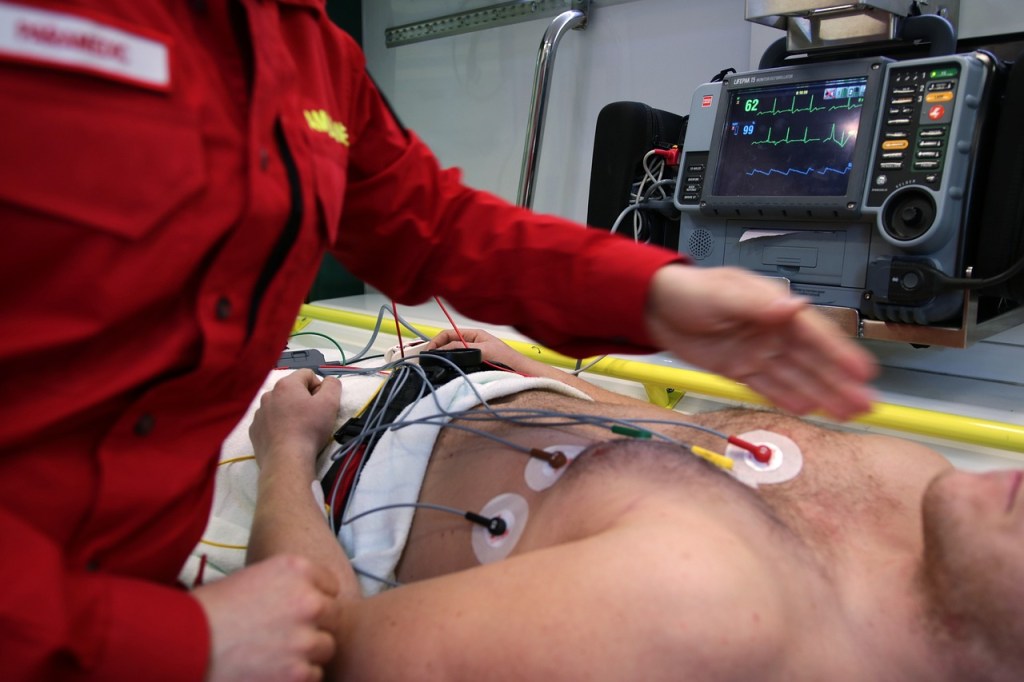
But steps are a little different when you want to recertify after two years.
Lets go through the process step by step. In this guide, we’ll walk you through the steps for Paramedic certification. Then we’ll cover recertification, and all the resources you need to help you succeed.
Why Certification and Recertification Matter
Understanding certification and recertification is crucial for your paramedic career.
It makes sure paramedics have the up to date information to provide high-quality care. Here’s why these processes are important:
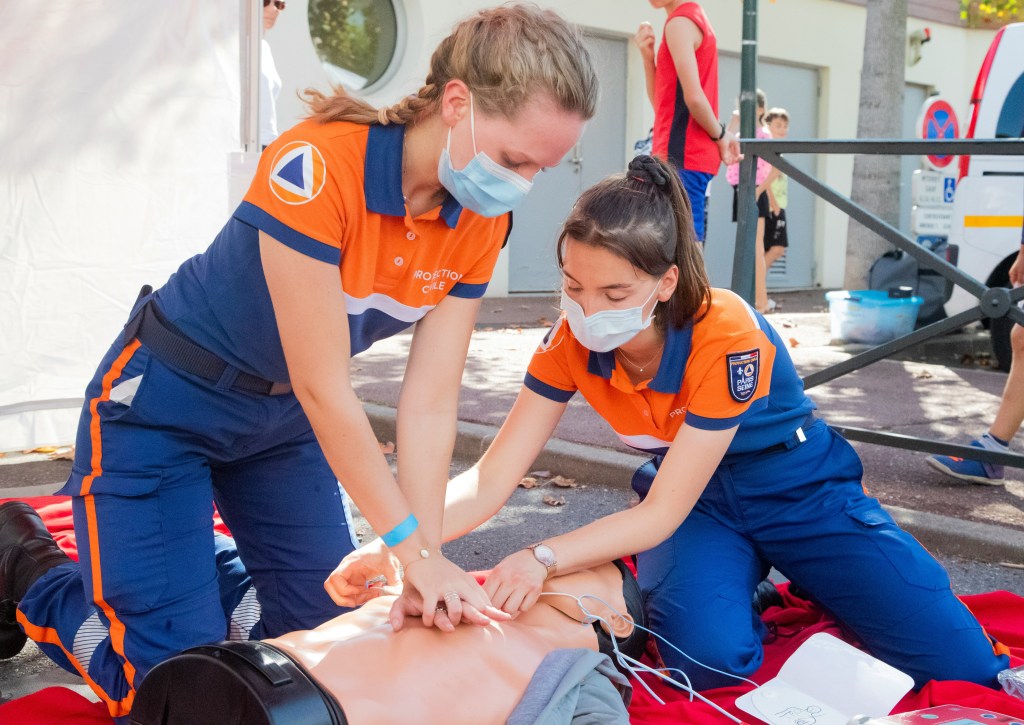
- Professional Standards. Emergency medicine is a rapidly changing field. The certification process ensures Paramedics meet industry standards year after year.
There are plenty of skills paramedics don’t use every day and continuing education help keep them sharp.
- Regulatory Compliance. Sure, you might not care but your employer does. Recertification helps maintain compliance with state and national regulations.
There are MASSIVE fines for employing a paramedic with a lapsed certification.
Plus your department has to return all the money from any call that the medic worked on. And no one wants to give money back to insurance companies.
The Certification Process for Paramedics
Here for the first time?
Getting certified as a Paramedic involves several key steps. Here’s what you need to know:
1. Complete an Accredited Paramedic Training Program
Before you can become certified, you must complete a Paramedic training program.

But you can’t just take a refresher course and challenge the NREMT. The program must be accredited by a recognized organization.
These organizations look for a few things before giving the go-ahead to a program.
- Coursework: The program should cover advanced medical knowledge, patient assessment, and emergency procedures.
Often, programs use JBL or Sander’s textbooks. They are the industry standard and JBL has access to a ton of online material.

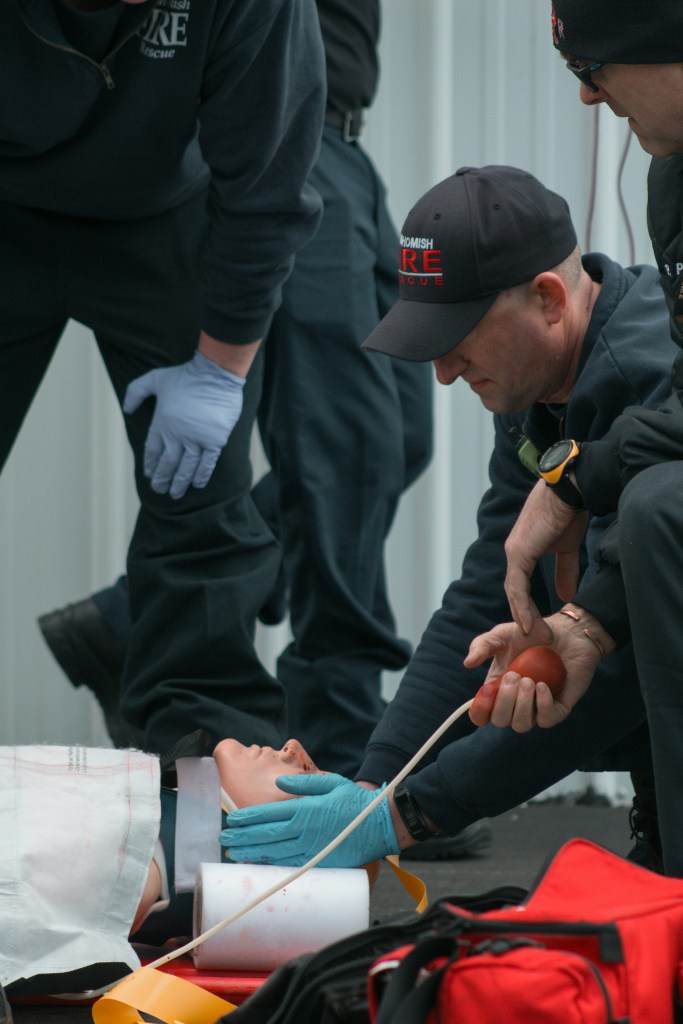
- Clinical Experience. Gain hands-on experience through clinical rotations and field training. Find a program that partners with your department and a reputable hospital.
The NREMT for paramedics require you do have a minimum of 1200 hours in class and clinical experience.
If your instructors are sticklers for staying in class, that’s why. They aren’t willing to fudge the numbers and risk losing accreditation.
Certain states may require more, but 1200 hours is the National Registry standard.

- Start at the Commission on Accreditation of Allied Health Education Programs (CAAHEP). It is the main authority in certifying Paramedic programs.
Click HERE to find an accredited program near you.
2. Pass the National Registry of Emergency Medical Technicians (NREMT) Exam
Thankfully you don’t need to keep your National certification after class.
You do need it for state certification, though. In most states getting your local cert is easy after you pass the NREMT.
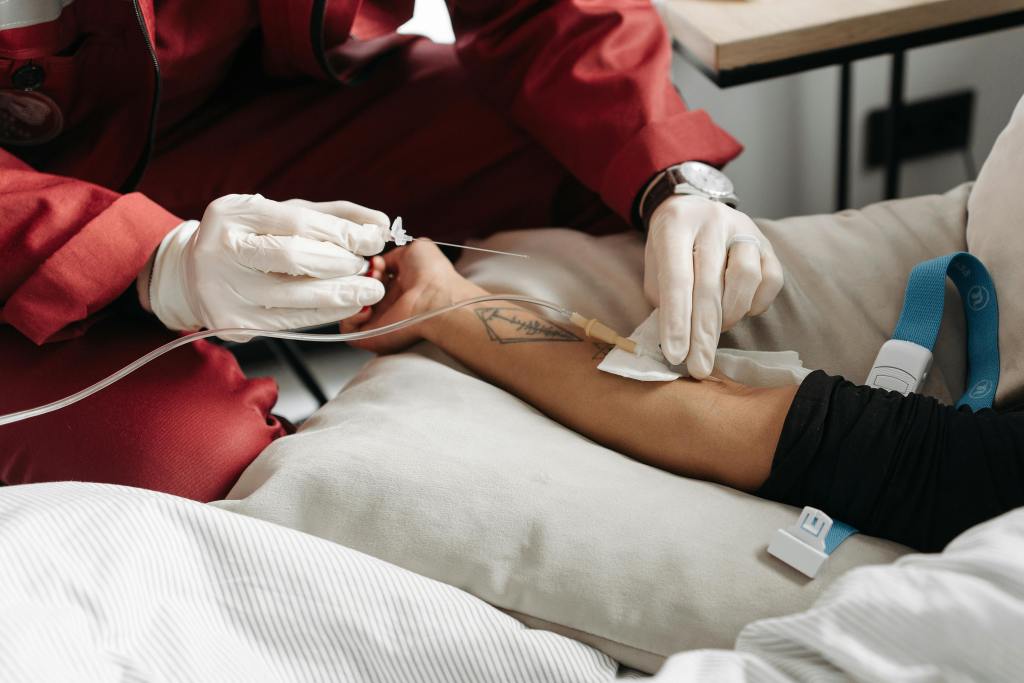
There are two parts to the NREMT for paramedics.
- Written Exam: Tests your knowledge of advanced medical procedures, pharmacology, and patient care.
If you thought the EMT-B test was hard, wait till you see this one.
The exam doesn’t test you to a minimum and then cut you off. It gets harder and harder as you answer questions right. The better you do, the harder it gets.
Answer enough pharmacology questions right and it will give you questions on chemo drugs. Stuff you should never have to memorize for your paramedic cert.
Almost no one walks away feeling like they crushed this test. And it’s supposed to feel that way.
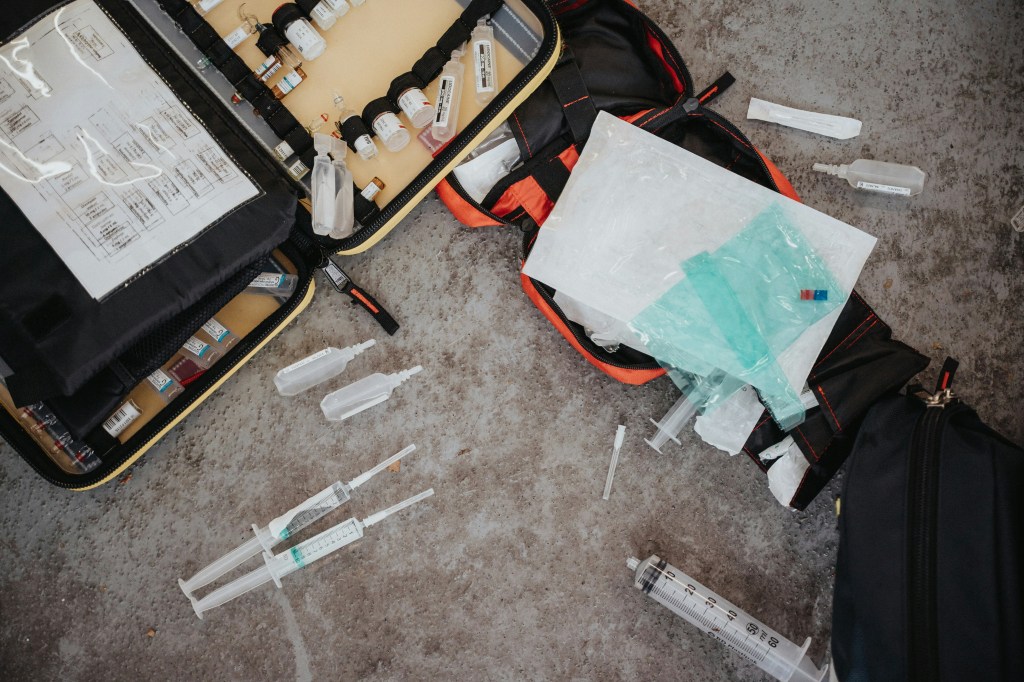
- Practical Exam. Assesses your ability to perform essential Paramedic skills in a simulated environment.
I find these much easier than the written exam.
You have been prepping for these skills since before you entered paramedic classes. Every skill is just a check sheet that you’ve seen a thousand times before.
Don’t overthink the physical exam. Take your time and it will all work out.
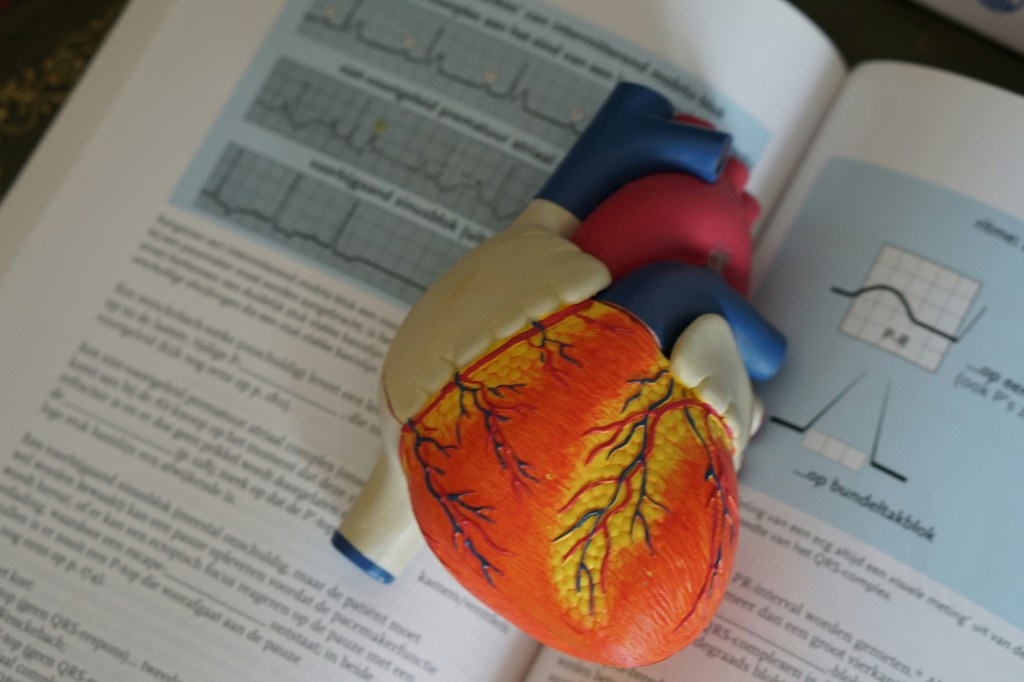
If you’re looking to prepare for the exam, try Paramedic Coach. He has a ton of study guides and videos that break down classes into easily digestible chunks.
You can find his website HERE.
3. Submit Application and Fees
After passing the exam, you’ll need to submit an application for certification. There are also some required fees.
Thankfully, most programs cover the submission fees.
Complete and submit the required application form for certification.
4. Obtain State Licensure
In addition to national certification, you need to obtain state licensure. Every state requires you to get this certification to practice as a Paramedic.

Requirements vary by state and may include:
State-Specific Exams: Some states require additional exams or documentation.
Washington is one such state. Keep this in mind if you plan on moving in the future. You don’t want to get caught by a pop quiz from the state.
Background Checks. Submit to background checks and provide proof of eligibility to work in the state.
If you are eligible for your National Certificate then you won’t have any trouble here.
Just don’t try and hide any charges.
And no, DUI’s don’t automatically disqualify you from being a paramedic. If it did there would like two fire medics in the country.

The Recertification Process for Paramedics
Maintaining your certification involves periodic recertification. It keeps your less used skills and knowledge current.
Here’s how the recertification process works:
1. Meet Continuing Education Requirements
To recertify, you must complete continuing education courses. These keep you updated with the latest medical practices and protocols.
Get used to change. Medics need to constantly be learning about best practices. Hospitals are always doing research on the best methods so look out for any changes.

Many departments host their own continuing education courses (CE’s). This is an awesome benefit so take advantage of it.
If your’s doesn’t you can find a bunch of CE classes HERE.
Course Hours: Fulfill the required number of continuing education hours. This varies by certifying body and by state. Often only 60 hours are required.
But check with your state. Some require specific hours in different specialties like pediatrics or trauma.
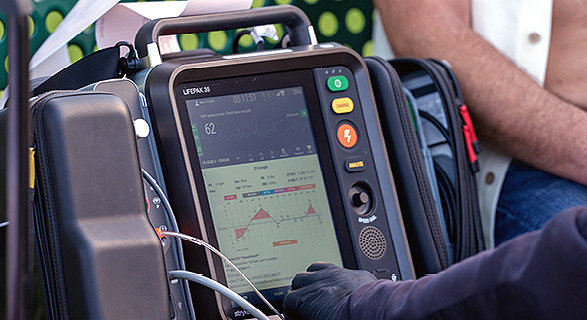
2. Submit Proof of Continuing Education
Provide documentation of your completed continuing education courses to the state.
If your department holds its own CE’s you won’t have to worry about this. All the background work gets done for you.
If they don’t, you need to hold on to your completion certificates. It tells the state everything it needs to know about the class you took. It says where you went, how long the class was, and what the material was on.
I recommend keeping a specific binder for these. They are a piece of paper and easy to lose. Have them all in one place to streamline your recertification process. Two years is a long time to hold onto loose paper.

3. Pass Recertification Exam (If Required)
Some certifying bodies may require you to pass a recertification exam. This exam tests your knowledge of updated procedures and protocols.
If you do have to take this, they tend to be 80-150 questions long and will focus on recent changes.
They also have additional fees of up to $125. Be ready to pay it when the time comes. Who knows your department right reimburse you.
Regular National Registry recertification fee is $32. But don’t expect it to stay that low for long.

Tips for Successful Certification and Recertification
To ensure a smooth certification and recertification process, consider these tips:
- Stay Organized: Keep track of deadlines, required documentation, and continuing education requirements.
- Prepare Thoroughly. If you have to take an extra test, study your CE notes. Find updated study materials, practice exams, and review courses to prepare.

- Seek Support. There are a lot of professional organizations that focus on recertification. Just do your research before you join one.
Recommended Resources for Certification and Recertification
Here are some top resources to help you with certification and recertification:
Achieving and maintaining Paramedic certification is essential for advancing your career. You must stay up to date to provide high-quality patient care.
By understanding the certification and recertification processes and utilizing the right resources, you can ensure that you remain at the top of your field.
If you’re a new medic or about to start paramedic class, find more FREE resources here.
Are You Still Struggling With The NREMT?
Check out Pocket Prep. We have been using it to supplement our training programs for a while now and I don’t think we’ll ever go back. Our students love it.
If you want to learn more about them, consider following my link HERE.
They also give me a commission on every sale through the link, any bit helps!

 The Medic Mentor
Leave a comment