Career Advancement and Development for Paramedics and EMTs: Your Path to Growth

A career in emergency medical services (EMS) is both challenging and rewarding.
But you need to understand the different avenues for career growth. There are a ton of different options for you and each one has it’s own strategy.
This guide provides valuable insights and practical tips for advancing your EMS career.
Why Career Advancement and Development Are Important
Career advancement and professional development are essential for several reasons
- Increased Job Satisfaction. Advancing your career can lead to a greater love for the job. At least it gives you a bigger sense of accomplishment.
Our job is hard and it will run you down if you let it. We need to find ways to keep ourselves engaged. For me, setting new goals is one of the best ways to do that.
Obviously, a common goal is to become a certified paramedic.

2. Skill Enhancement. Developing new skills and knowledge improves job performance. No longer just an EMT-B. You now have more procedures to perform and medications to administer.
And a lot more fun to be had.
3. Career Longevity. Career advancement helps avoid burnout.
We’re in these roles for the long haul. You need to keep yourself focused and constantly improving. Plus there are many more job opportunities for medics than EMTs.
Once your enthusiasm begins to dull you can search out new, exciting opportunities.
Key Strategies for Career Advancement
To advance your career as a paramedic, consider implementing the following strategies:
1. Pursue Advanced Certifications and Specializations
Obtaining advanced certifications or specializations qualifies you for new career opportunities. Here’s how to approach this:

Find your specialty. Consider certifications such as Critical Care Paramedic (CCP-C), Flight Paramedic Certification (FP-C), or Pediatric Advanced Life Support (PALS).
These certifications aren’t always required to become a paramedic in every state. They do demonstrate your expertise and qualify you for advanced roles.
Personally, I can’t go very long without getting into some new class or certification. It makes work more exciting. We didn’t get into this field to shirk responsibility.
Niche down. Explore specializations like tactical medicine, community paramedicine, or paramedic educator roles.
Often these fall outside our role as a 911 response unit which is a good thing. Working in 40-hour spots or just changing pace can do wonders for your mental health.
Specializing in a niche area can make you a more valuable asset to your department. This leads to roles in specific fields such as air medical transport.
Air Med is a popular choice for paramedic specialty. Not for me though. I’m not a fan of heights. Or fans for that matter.
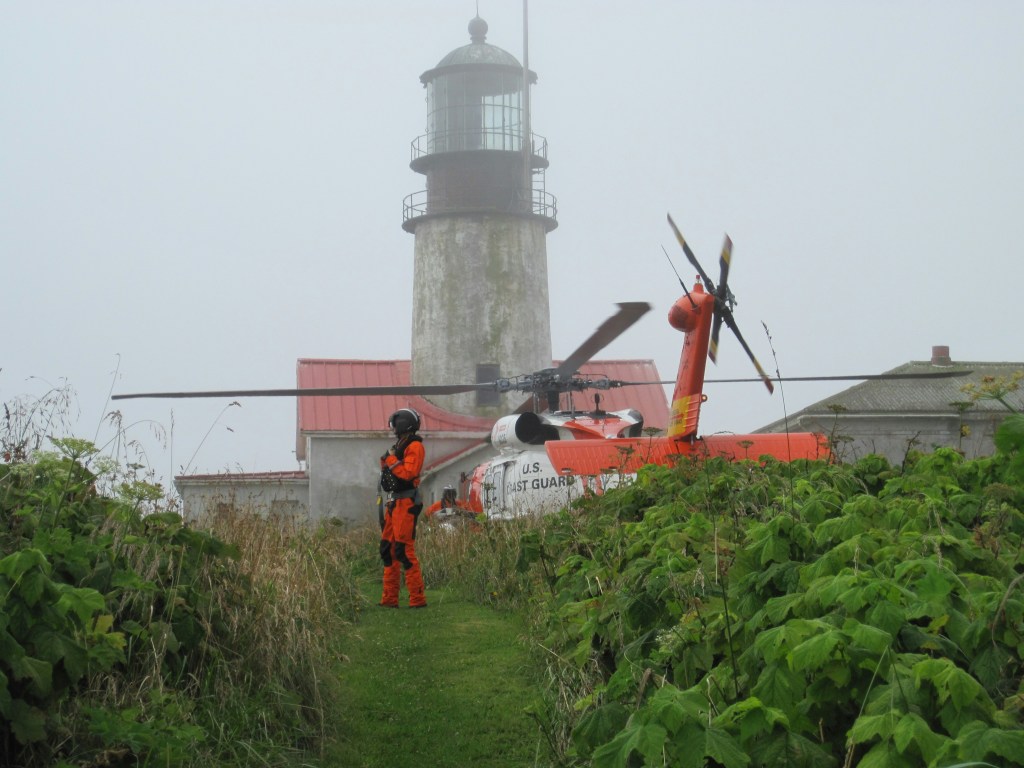
Enroll in training programs that offer advanced skills and knowledge. Look for accredited programs that provide hands-on experience and theoretical knowledge.
2. Pursue Higher Education
Furthering your education can open doors to advanced roles and career growth.
Our job doesn’t require associate’s or bachelor’s degrees. But there are benefits to going back to school.

Here’s a few things to think about when going back to school.
Associate’s or Bachelor’s Degrees are becoming more common in EMS. Look for degrees in Emergency Medical Services, Nursing, or Healthcare Administration.
Some colleges even offer Bachelor’s in Paramedicine.
These degrees provide you with a broader understanding of healthcare systems and management. Get them done early. They are a good way to get into a leadership role.
Master’s Degrees are great if you’re looking to move up the chain in EMS.
Consider a Master’s degree in Public Health (MPH) or Healthcare Administration (MHA). These take time but with a Master’s degree you’ll be ready for any career changes you can think of.
Administrative positions don’t get the love we get in the field, but they are essential. Without them we’d have a bunch of crayon eaters running our day-to-day operations.
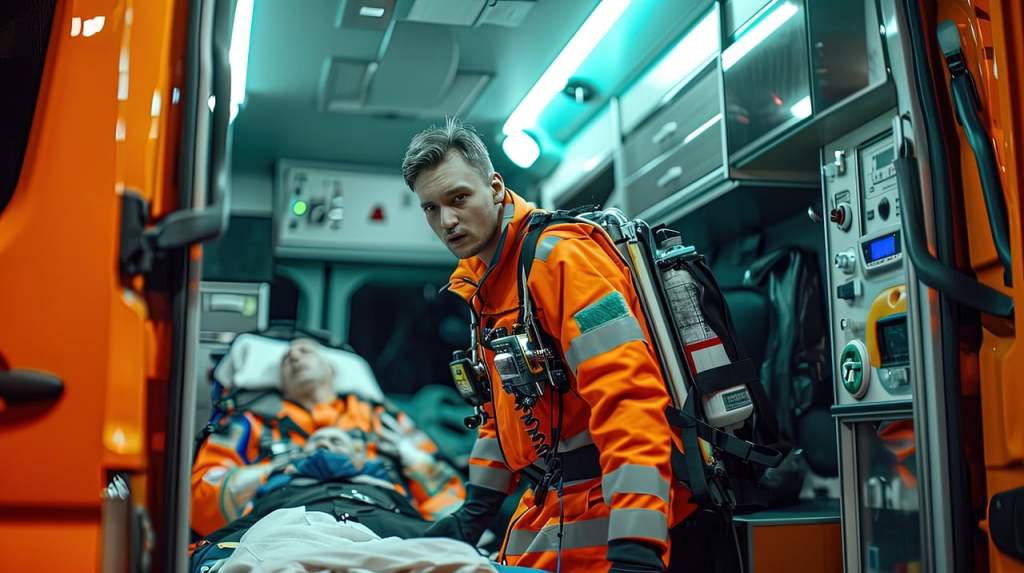
Engage in continuous education through workshops, webinars, and professional courses.
Staying updated on the latest trends and advancements in EMS. There are tons of classes you can take, and JEMS regularly puts out new articles.
If you’re a medical nerd like me you’ll love JEMS.
3. Gain Experience and Seek Leadership Roles
Experience and leadership skills are vital for career advancement.
Here’s how to gain experience and move into leadership roles:
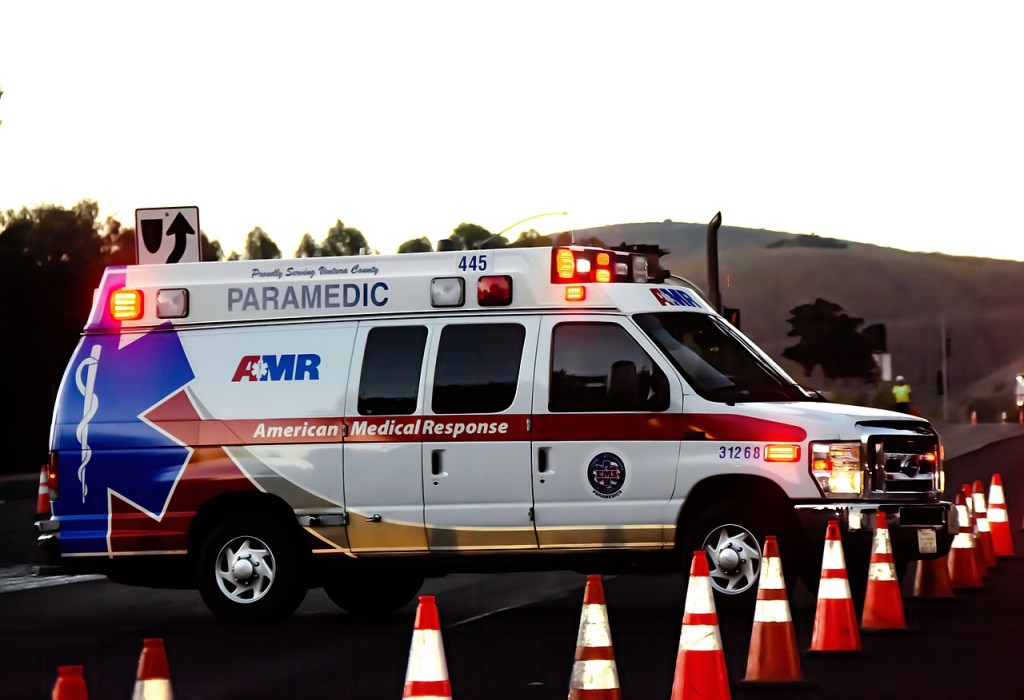
Field Experience. Accumulate diverse field experience by working in various EMS settings. Urban, rural, or specialty services all have different challenges and required skills.
Broad experience enhances your skills and makes you a more versatile professional.
Leadership Opportunities come by all the time. Look for leadership roles like field training officer, shift supervisor, or team leader.

These give you experience in managing teams, making strategic decisions, and handling operational challenges. All vital skills for promotions.
Get involved in projects or initiatives within your organization.
These are often volunteer and don’t come with much glory. But they teach you a lot about leadership and organizational management.
EMS is always looking for good leaders. So if you can’t find one, be one.

4. Network and Build Professional Relationships
Building a strong professional network can provide valuable career opportunities and support.
I know we can work with some dummies sometimes. However, learning to be tactful and charismatic is important for our career success.
Not just in a leadership role, but as paramedics leading emergency scenes.
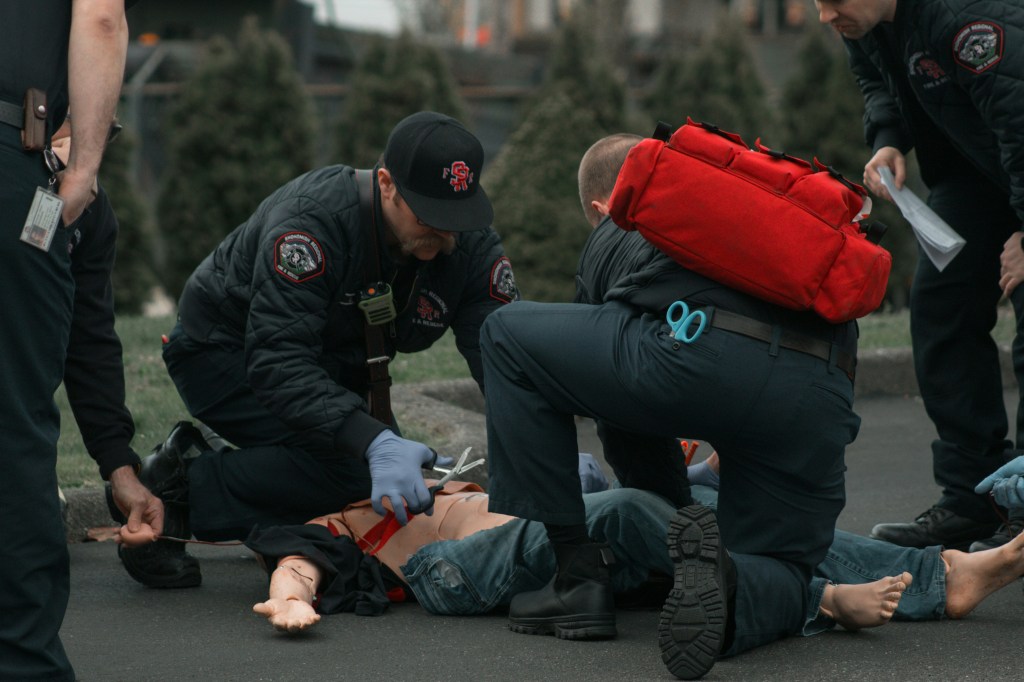
Consider these networking strategies:
Join professional organizations. One organizations to consider are the National Association of Emergency Medical Technicians (NAEMT).
They are always accepting applications to become a member. They provide courses and push legislation to improve the working life of EMS workers.
They also offer networking opportunities, professional development resources, and industry updates.

Attend industry conferences, workshops, and seminars. You get to meet other professionals and learn about advancements in EMS.
If you’re lucky your department will even pay for you to go to these conferences. It’s basically a free vacation.
Take part in online forums and social media groups related to EMS.
Engaging with these communities can provide support, share knowledge, and open doors to new opportunities.
Plus these communities help blow off steam from the job. We all need that sometimes.

Professional Development Resources Overview
Use these resources to support your career advancement and development:
- Impact EMS. Offers a huge range of courses. They have everything from recertification classes to flight certification.
- Journal for Emergency Medicine (JEMS). An excellent news source for everything EMS. They have news stories for entertainment and all the up-to-date medical research. JEMS is useful for providers and administration alike.
- NAEMT (National Association of Emergency Medical Technicians). Offers networking opportunities, professional development resources, and industry updates. Consider joining to support your career growth and provide access to valuable resources.
Implement the above strategies to grow your career. Paramedics have unlimited options if you just know where to look for them.
Prioritize your development today and unlock new opportunities to advance your EMS career.

 The Medic Mentor
Leave a comment