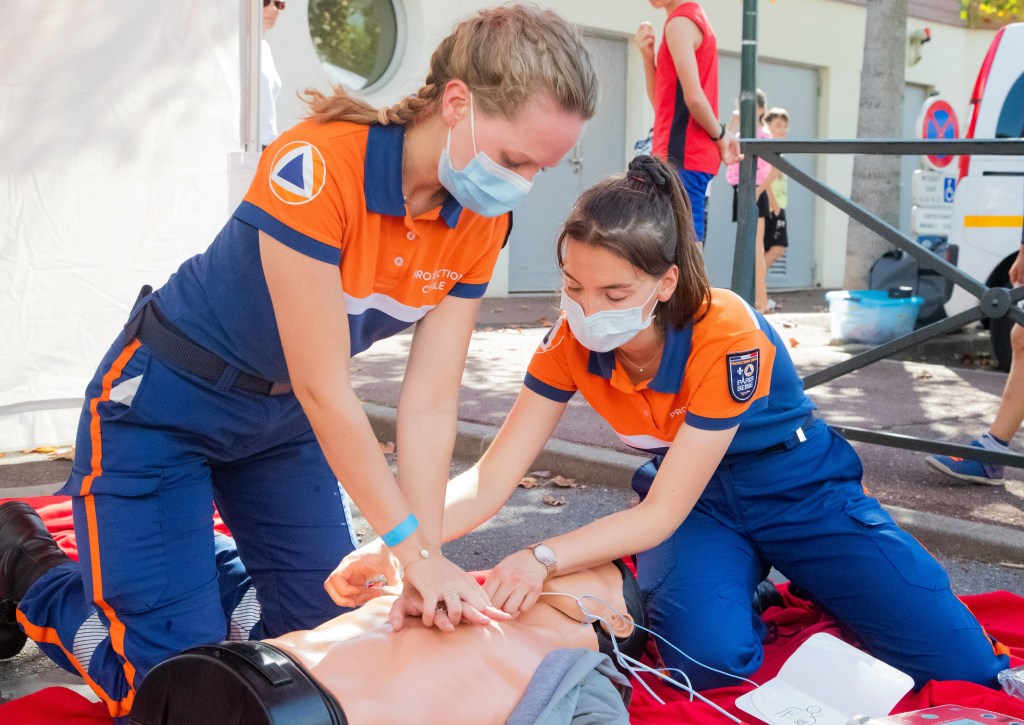
Paramedic Secrets: Just How Hard is Paramedic School?
If you’re asking about how hard paramedic school is, you’re probably an EMT-B thinking of making the jump.
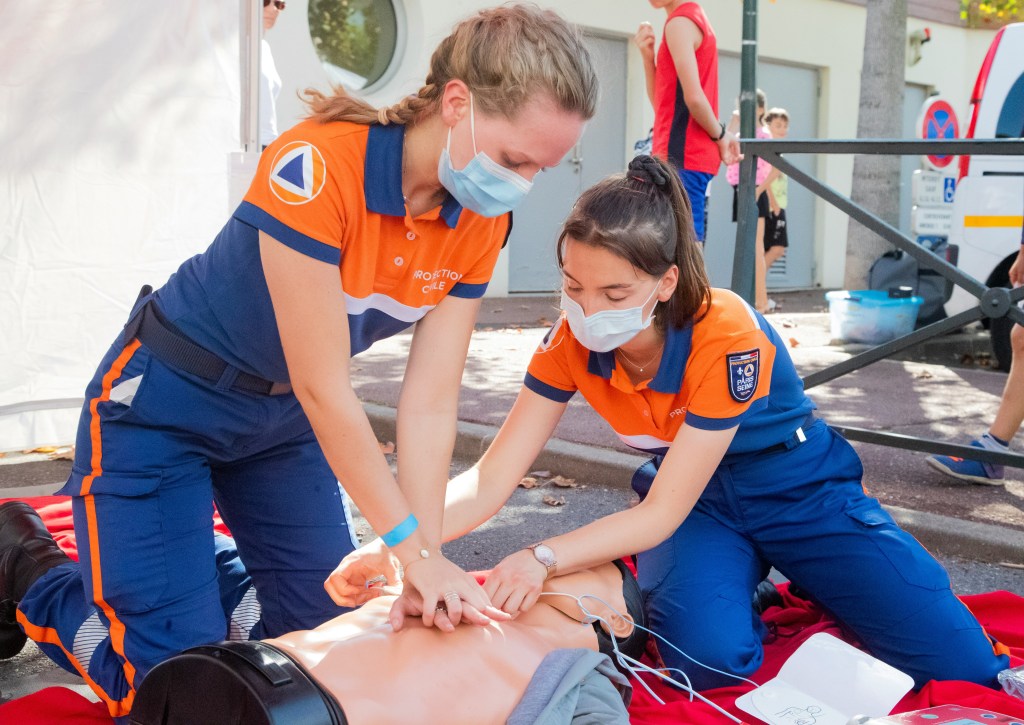
First off, if you’re thinking about it then just do it. It’s a great decision and I highly recommend it.
But I’m not going to sugarcoat it. Paramedic training is Hard.
Before we go any further, hi I’m Shay. I’ve been in EMS for over 13 years. I’ve been a firefighter for 7 years and a fire medic for 5. I’ve also taught paramedic courses, EMT-B, and CPR for a few years.
Now back to the article.
Yeah, Paramedic Classes Can Be Super Hard
But probably not as hard as you think. Most of the material is just a lot of memorization.
The three things students typically struggle with are
- Time Management
- Pharmacology/ Cardiology
- NREMT Testing

Now, that’s not many things. But let’s break them down and see what makes them so difficult.
Then I’ll tell you everything I wish I knew at the start of paramedic school. At the very least you’ll be able to hit the ground running at the end of this.
Time Management for Paramedic Students
The absolute hardest thing about paramedic class is the grind.

It gets harder depending on which program you’re in. A good portion of classes are 12 months long. That’s not as bad but it’s still a lot.
Super condensed classes can be as quick a 6 months. Which is insane. Paramedics will end up finishing their programs with nearly an associate degree.
The material itself is not hard, but you have to manage everything else in your life. Otherwise, you will fall behind. And once you fall behind, getting back up to speed is so much harder.
If some 18 year old in college thinks their life is hard, then this would destroy them.
Helpful Time Management Tips
Now that I’ve thoroughly terrorized you, here are some hints.
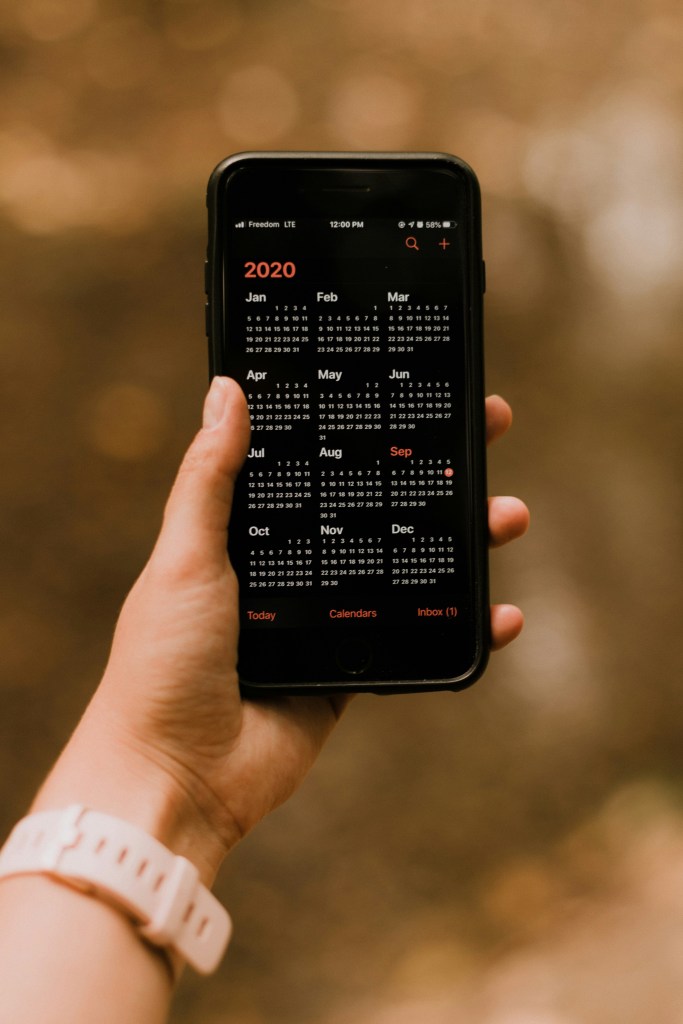
Get really comfortable with your calendar. Legitimately schedule your day from the moment you wake up until the time you go to bed.
And I like blocks of time. I schedule my whole class day as one big block of time. I know I’m not doing anything during that block but class. Which is easy because you’re in class.

Then I scheduled my study blocks. My favorite way was to break them into 20 minute study sessions with a 10 minute break in between. That’s about all my brain could handle at a time, especially after a long day of lectures.
Dinner has its own block. So does working out. If you have a family, add a block for them too. But remember your paramedic training is your priority right now.
You might have to skip some gym days. Fitness isn’t your priority right now. Family trips have to take a back burner. Paramedic class is your number one for the time being.
Don’t worry, it’s not forever. Once class is over you can worry about your six-pack. The medic 15 isn’t as much a joke as we’d like it to be.

As for your family time, you can find a post HERE about what to do before class starts. When you’re done, take a nice little trip with them. Even if it’s just for a weekend. They earned it and so did you.
Ok, so what else is hard about paramedic class…
Pharmacology or Cardiology
A little weird but generally if you’re good at one you’re probably bad at the other.
If you’re really good at both you’re probably a nerd. That’s a good thing.
For me, it was pharmacology. Drugs have so much information to memorize. And unfortunately, a lot of it is actually important.
Plus you have to do math. Bleh
Studying Your Medications
Here’s what I did to get through pharmacology in my medic class.
For starters I scheduled a lot of my study blocks around it. Remember how I said you should get really comfortable with your calendar?
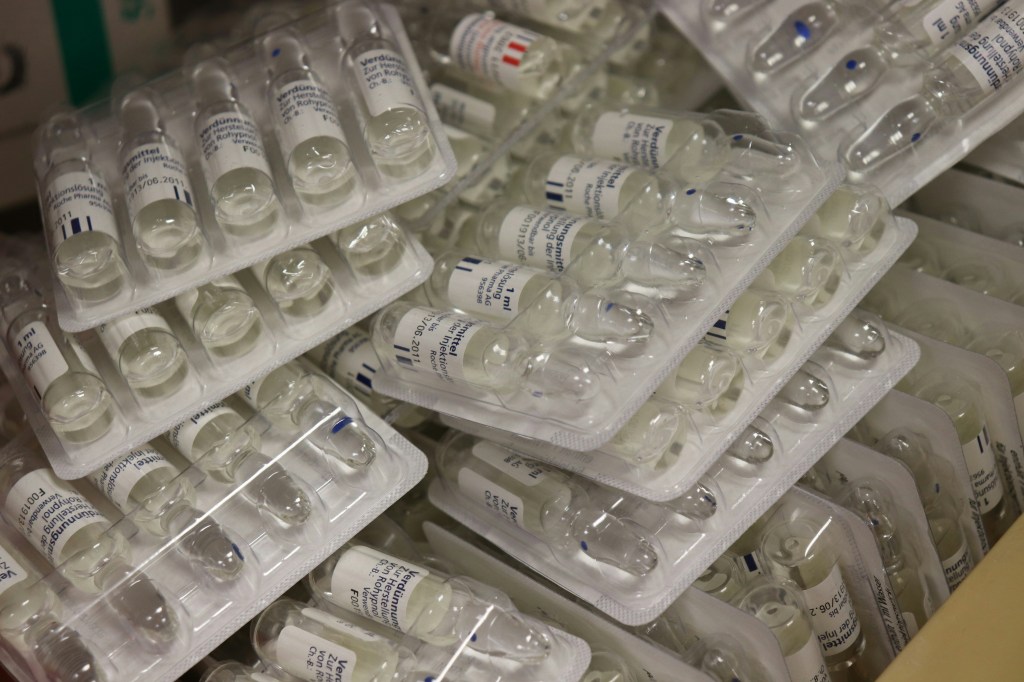
Second, I paid really close attention to A&P (anatomy and physiology). Most of the time you can figure out what a drug does if you have a good grasp of A&P and at least sort of know what the medication does.
It’s not fool proof but it will help you pass some tests.
Finally, drug math. Practice more than you think you need to. If you’re struggling, add even more practice.
Don’t practice until you’ve figured it out. Do it until it’s second nature. Do it until you can’t get it wrong. Drug calculations are one of those things you just need lots of reps on.
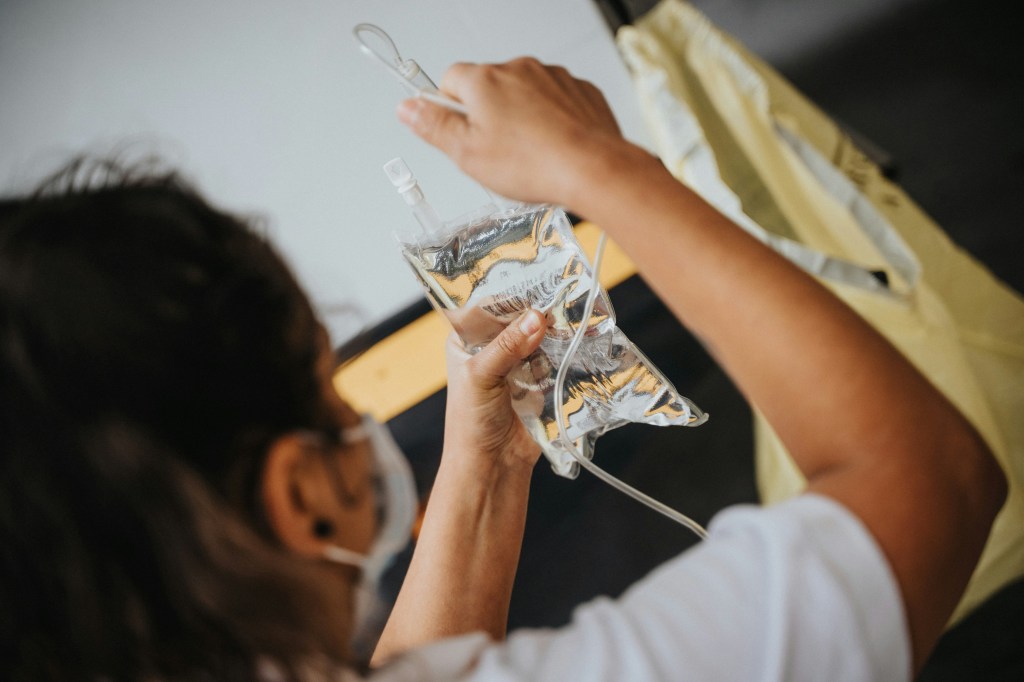
What about cardiology
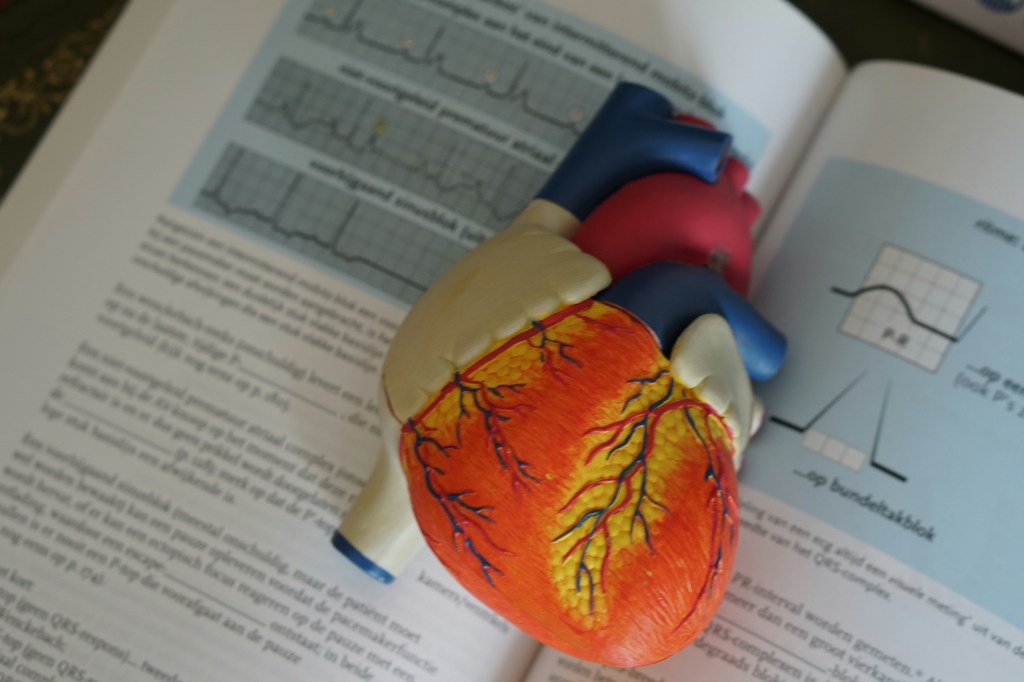
Cardiology gets a lot of people. It can be hard.
There is a lot to memorize about the heart. In fact, it’s the longest chapter in your paramedic textbook.
You need to learn all the medications that affect it, read EKG strips, and know the A&P like the back of your hand.
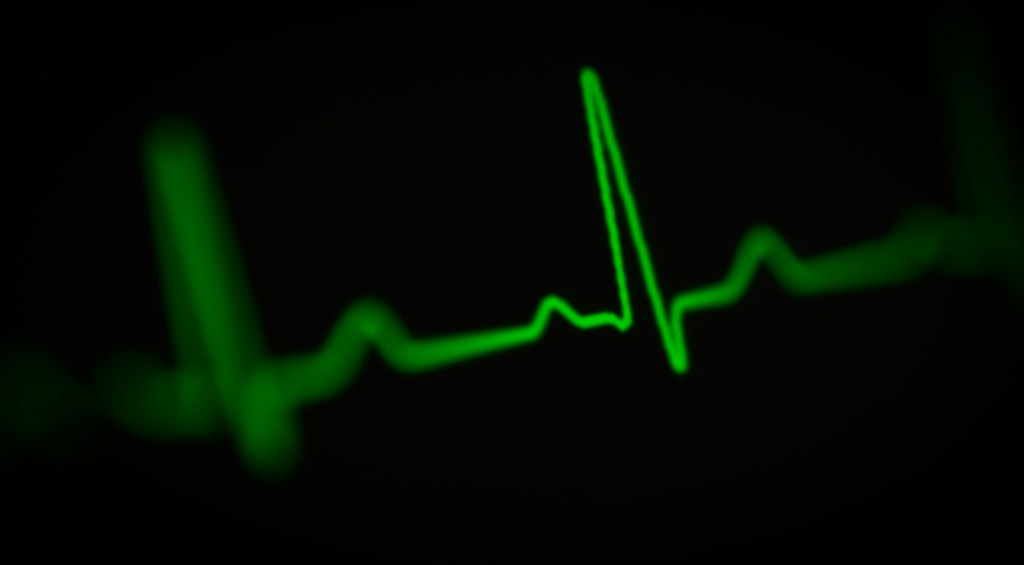
Thankfully, A&P is just memorization. By the time you get to the heart, this should be no problem. Most of it is going to feel like a review.
Drugs are usually going to slow it down or speed it up. There are some nuances but we won’t get into that here.
Boom you know heart drugs now.
Now you have to read strips and make a diagnosis. That’s the hard part.
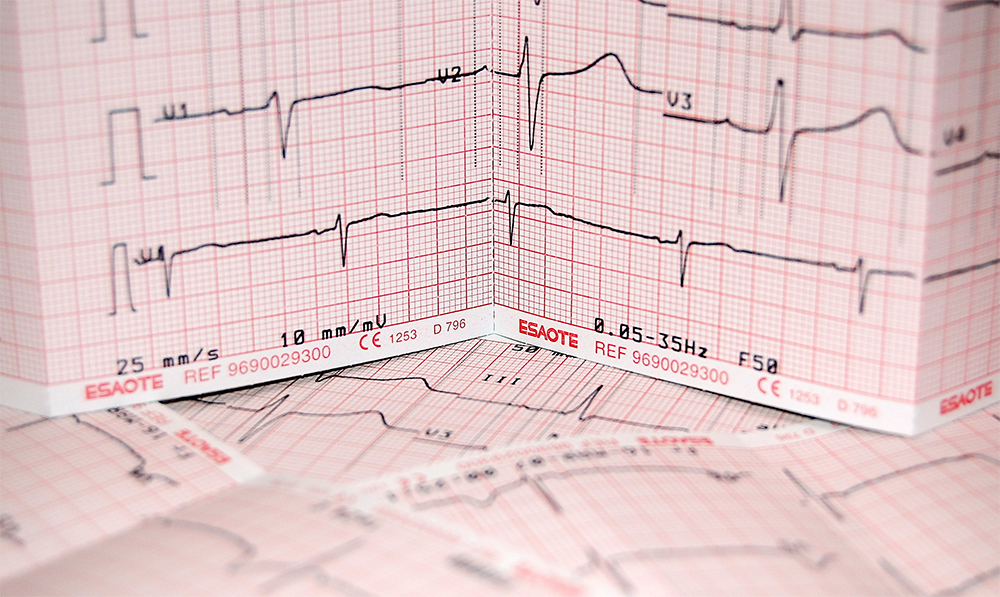
Pro Tip: Have a system. There are a lot of ways you can remember how to read an EKG strip. Some have 5 steps. Some have 12.
It really doesn’t matter as long as you find one that works for you.
Play around, experiment, but find something that resonates with you. Then drill it into the ground. The more strips you read the faster you get.
And that speed will come in handy when you take you cardiology tests for graduation.
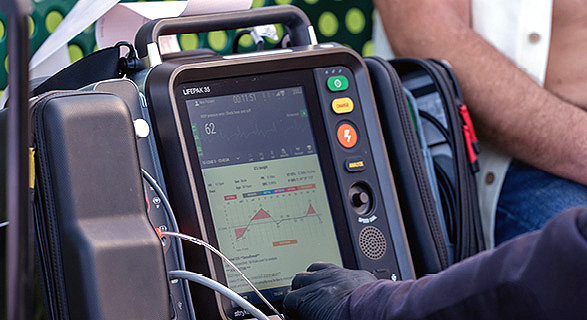
If you need an EKG reading refresher you can find a good article at EMS1.
And now..
The NREMT
You had to take it for EMT, and now you get to take it again.
Unfortunately, it’s an even weirder test this time around.
The test is adaptive. As you get questions right it gets harder. The better you do the more difficult the test becomes.
It makes people think they’re doing awful. But if you keep getting super hard questions, it might be a good thing. You may be doing really well on that portion of the exam.
For example, I started getting questions about chemo drugs on my pharmacology portion. I’m not a doctor. I had no clue what those drugs even did!
But the test is designed to see how far your knowledge goes. I was just doing well enough that it kept asking me tougher questions.
So much for Pharmacology being my weakness, I guess.
How Do You Prep for the NREMT?
Your class is actually going to do a fine job getting you ready. Think of the absolute worst medic you know. Now, remember they passed the NREMT too.
Can’t be that bad, can it?
If you do want some extra preparation for it you can check out The Paramedic Coach. He has a great program. It covers everything you need to pass your class and get through National Registry.
Highly recommend.
So Is Paramedic School Really That Hard?
Yeah it’s pretty hard. You’ll be busy and stressed. Some of your instructors will be the ultimate cure for insomnia.
But that’s ok. It’s supposed to be hard. The job is hard. This career is hard. This is what hard feels like.
Become friends with your calendar. Study hard. Practice with the NREMT in mind. You got this.
I hope you found this useful. If you did, and even if you didn’t, send me an email @themedicmentor.com
And to find out about more paramedic student resources look HERE
Still Want To Make Sure Paramedic Class Is A Breeze?
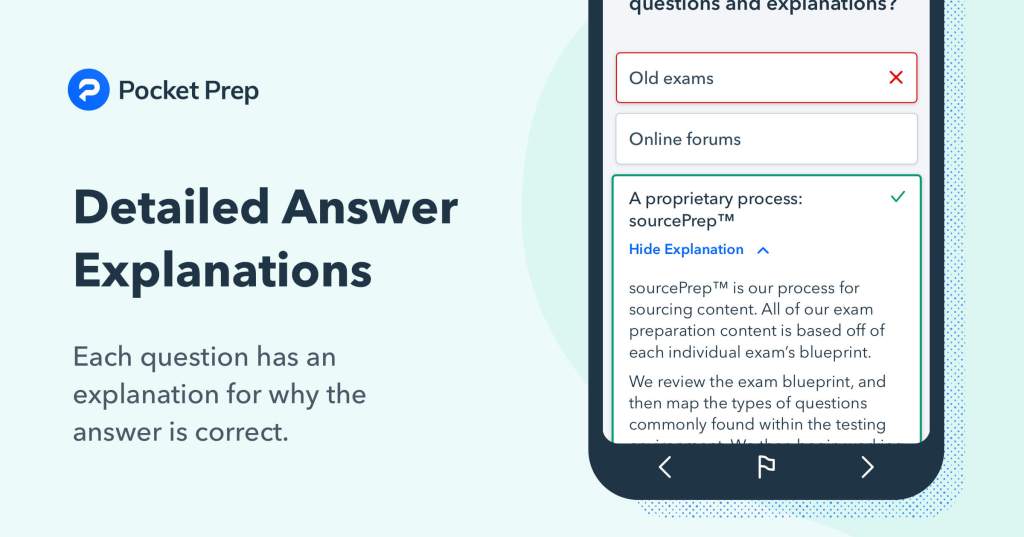
Check out Pocket Prep.
It’s the study app we have been using for all our students and we hear nothing about it but great things.
It’s useful, easy, and always in your pocket.
Plus I’m happy to say they are now an affiliate with us! So any signup through me gives me a small kickback at no cost to you. Anything helps grow the site!

 The Medic Mentor
Leave a comment