Are Paramedics And EMTs the Same Thing?
Paramedic vs. EMT: Understanding the Key Differences
If you’ve been an EMT for a while you’re probably asking if Paramedic is worth it.
It’s a good question. Before you make the jump you need to know the key differences between paramedics and EMTs. Let’s cover the biggest differences between them.
This article will help you make the right decision BEFORE you commit to paramedic school.
But why should you care about what I have to say? Well I’m Shay. I’ve been in pre-hospital EMS for over 13 years now. I’ve taught both EMT and Paramedic courses and most of my career has been as a fire medic.
What’s Right for You
The two primary professions within EMS are paramedics and Emergency Medical Technicians (EMTs). Both roles are needed on an emergency medical scene. Especially when we’re in the pre-hopital setting.
However, there are major differences in their education, training, and scope of practice.
For EMTs, becoming a paramedic often represents a natural career progression. Getting a paramedic certification offers more opportunities for professional growth and advancement.
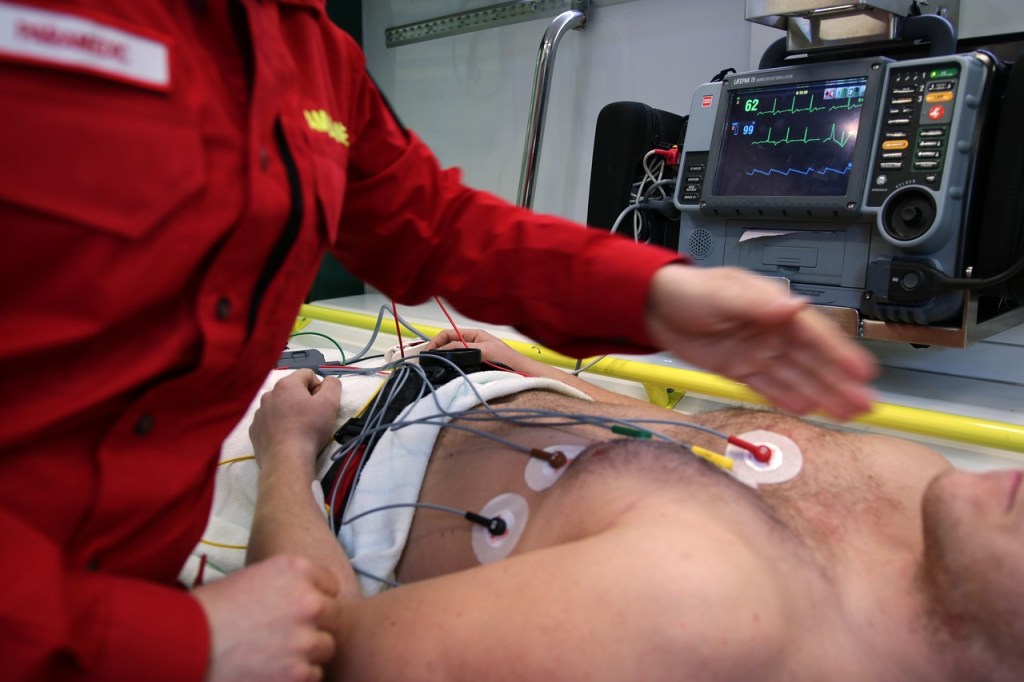
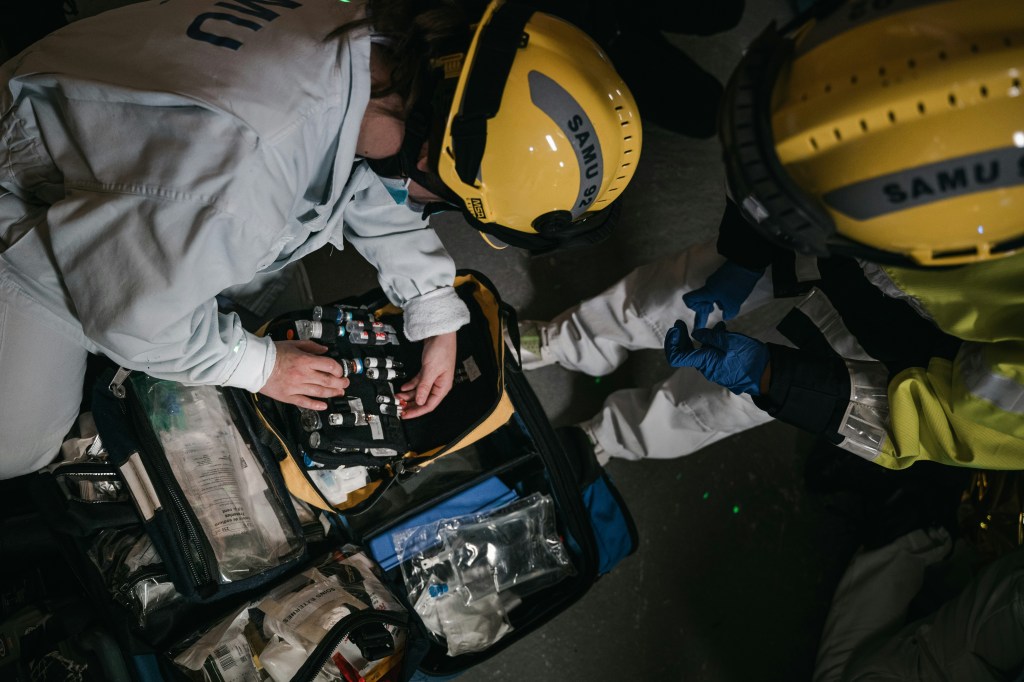
Paramedics can also give multiple life saving medications and advanced medical procedures.
Education and Training: The Foundation of EMS Careers
The foundation of EMS careers lies in education and training.
EMTs can finish their certification classes super quickly. Some classes are as short as 4 weeks.
Paramedics on the other hand have a more extensive training process.
Paramedics and EMTs need a minimum of a high school education. That much doesn’t change. Paramedics need to complete a lot more hours in class and clinical work.

Paramedic programs can vary in length and intensity, but most are between 1,000 and 2,000 hours of training.
Those are state requirements. Don’t be mad when your instructors won’t let you out early because you’re bored. They have to meet these standards to keep their accreditation.
Your paramedic class actually gives you a lot of college credits too. You’re getting everything from anatomy and physiology, to drug administration. You’ll also be learning advanced medical procedures.

Additionally, paramedics must complete a substantial amount of clinical experience. Classroom hours don’t count for these hours. You schedule your ride alongs with paramedic ambulances and clinical hours in hospitals.
Those clinical hours aren’t just in the emergency room either. You’ll be spending time in the ICU and labor and delivery too.
And then there’s the NREMT. Finishing your class does not give you the right to work as a paramedic. This should be no surprise. It’s the same as EMT.

You have to pass your national test once to get your state certification. After that you only need your state certification to continue working. At least in most places.
And just like EMTs, paramedics need to go through continuing education courses. They are required by the state to maintain their certification.
Paramedics and EMT recertify every 2 years. Recertification forces paramedics to stay sharp. EMS is constantly evolving. You are responsible for being up to date on all new emergency medical procedures.
Scope of Practice: What Paramedics and EMTs Can Do
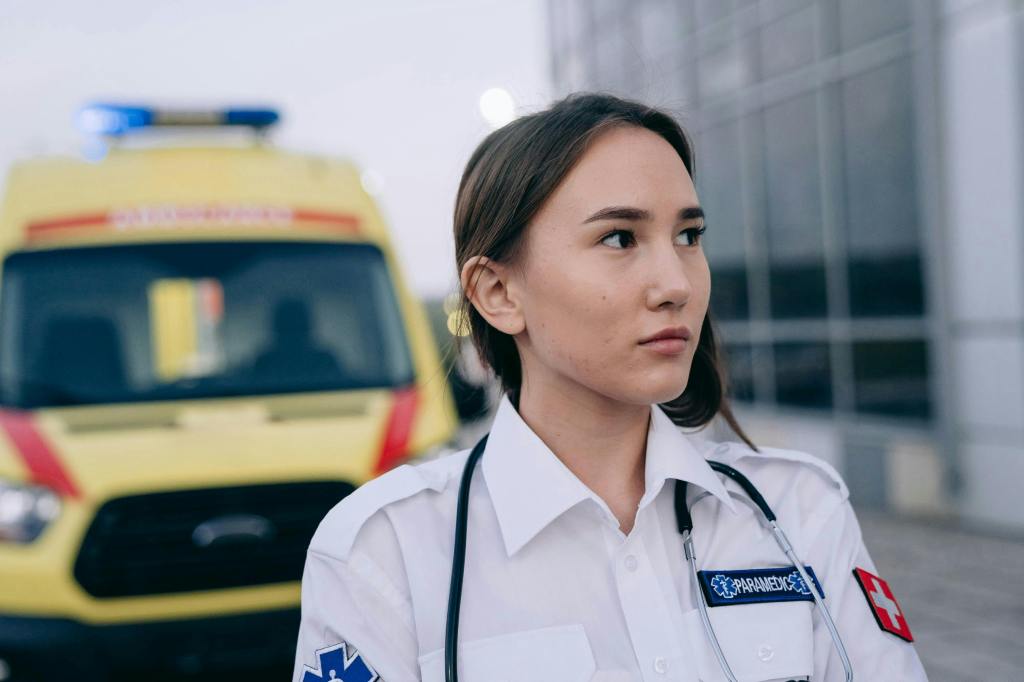
Paramedics and EMTs have very different scopes of practice. EMTs are trained to provide basic life support (BLS) care. This is still a lot of information. It includes measures such as CPR, airway management, and bleeding control.
Paramedics are authorized to provide advanced life support (ALS) care.
ALS care involves a wider range of medical procedures. Interventions that EMTs are definitely not qualified to perform.

Paramedics can administer a variety of medications. These including intravenous (IV) fluids, pain relievers, sedatives, and cardiac medications.
They can also interpret electrocardiograms (ECGs) and perform advanced airway management techniques. Ever wanted to intubate a cardiac arrest patient? Yeah, paramedics can do that.
Paramedics are also trained to perform certain medical procedures that EMTs cannot.

Advanced cardiac life support (ACLS) is another major paramedic vs EMT difference. The heart is a complicated organ. It’s also really important. Paramedics spend a good portion of their class focusing on cardiac care.
All that to say paramedics have a reason to be in class for as long as they are. They need that time so they can perform when their patients need it most.
Career Paths and Advancement: Where EMS Professionals Go
With greater education comes greater opportunity. Or whatever Spider-man said.

Paramedics have more education. They can provide more advanced care. And they hold a leadership role in emergency situations.
All that leads to more career opportunities than EMTs.
And they don’t have to stick to the ambulance. Paramedics can get specialized training for different, more advanced roles in healthcare.
One common career path for paramedics are hospital emergency departments and flight paramedicine.

I’m not a helicopter guy so count me out. But you do you.
Paramedics can also specialize in areas such as critical care transport. These highly trained paramedics accompany patients in critical condition to specialized medical facilities.
Paramedics are also set up to move into administrative or leadership roles.
They can advance to positions such as EMS supervisors, coordinators, or managers. Many become EMS instructors or educators, and you’ll run into them during your courses.
Finally, paramedics can specialize in specific areas of medicine.
Find a specific area of interest for yourself. This can be something like trauma care, pediatric emergency care, or disaster response. There are always classes covering these topics. Make yourself an expert in your field.
Specialized training leads to other opportunities in research, public health, or government work.
If that’s what you’re into at least.

Choosing the Right EMS Career: Paramedic or EMT?
Paramedics and EMTs both play vital roles in providing prehospital emergency care.
Both professions share a commitment to saving lives. But EMT is often the stepping stone to the rest of your career.
EMTs provide basic life support care. They focus on stabilizing patients and preparing them for transport to the hospital.
Paramedics have more advanced ALS training. They have access to a wider range of medical procedures and interventions. This includes administering medications, performing advanced airway management techniques, and advanced cardiac care.
Getting your paramedic certification is the next step to advance your EMS career.

If you want to find accredited schools near you, check out this site here. It’s the NAEMT directory for certified schools and you can search by area.
Have a safe shift!

 The Medic Mentor
Leave a comment