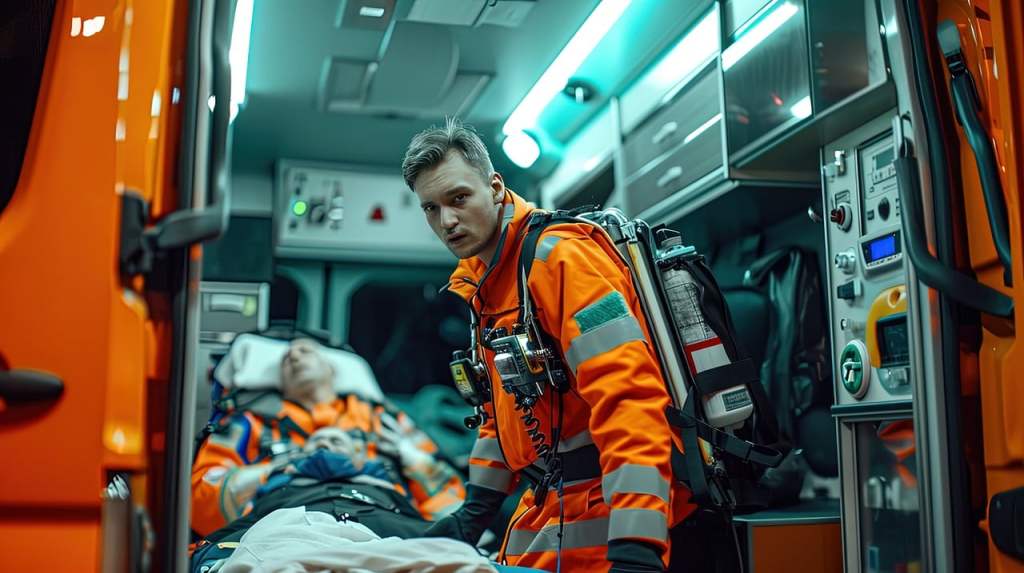
What Are Different Types of Paramedic Jobs?
Introduction Ever wondered what paramedics do beyond the ambulance sirens and flashing lights? There’s a world of opportunities waiting for those who choose a career in emergency medical services. While the traditional role of a paramedic is synonymous with saving lives on the streets, there’s a vast array of exciting and fulfilling paths to explore. In this blog post, we’ll delve into the diverse range of paramedic careers. From the adrenaline-pumping world of critical care transport to the serene setting of industrial medicine, there’s a paramedic role to suit every passion and skill set. So, if you’re considering a career in EMS, get ready to discover the endless possibilities that await.
- Traditional Paramedic Roles The cornerstone of paramedicine, traditional roles involve providing immediate medical care at the scene of emergencies. This often includes responding to accidents, illnesses, and traumatic injuries. Let’s explore some of the most common traditional paramedic positions:
- Emergency Medical Services (EMS): Paramedics working in EMS are the first responders on the scene, providing life-saving care in ambulances, fire departments, and private medical transport companies.
- Event Medicine: From concerts and sporting events to festivals and conventions, event paramedics ensure the safety and well-being of attendees.
Industrial Paramedicine Beyond the emergency room, paramedics can also find rewarding careers in industrial settings. Industrial paramedics play a crucial role in ensuring the safety and well-being of workers in factories, mines, and other industrial facilities. Key responsibilities of industrial paramedics include:
- On-site Medical Care: Providing immediate medical attention to injured or ill workers.
- Emergency Response Planning: Developing and implementing emergency response plans to address potential hazards.
- Health and Safety Programs: Conducting health and safety assessments and training to prevent accidents and illnesses.
- Occupational Health: Monitoring workers’ health and addressing occupational health concerns. Industrial paramedics often specialize in areas such as:
- Hazardous materials handling
- Confined space rescue
- Height safety These specialized skills allow them to effectively address the unique risks associated with industrial environments.
Critical Care Transport (CCT) Ever wondered what it’s like to be a paramedic in a high-stakes environment? Critical care transport (CCT) paramedics provide specialized care to critically ill patients during transport to and from hospitals. CCT paramedics are equipped with advanced medical equipment and techniques, including:
- Mechanical ventilators
- Intravenous infusions
- Continuous monitoring of vital signs They work closely with medical teams in hospitals to ensure a seamless transition of care. CCT paramedics often specialize in areas such as:
- Neonatal transport
- Pediatric transport
- Trauma transport If you’re looking for a challenging and rewarding career that requires advanced medical skills, CCT might be the perfect fit.
Flight Paramedics Soaring to new heights, flight paramedics provide critical care in the skies. These daring professionals are part of air medical transport teams, using helicopters or airplanes to reach remote or inaccessible areas. Flight paramedics must be prepared to handle a wide range of medical emergencies, including:
- Trauma
- Cardiac arrest
- Stroke
- Pediatric emergencies They often work in challenging conditions, such as inclement weather and limited resources. Flight paramedics require specialized training in:
- Aviation medicine
- Aeromedical transport
- Remote area medicine If you’re seeking a career that combines the thrill of flight with the satisfaction of saving lives, flight paramedicine might be for you.
Disaster Response and Humanitarian Aid Ready to make a difference on a global scale? Disaster response and humanitarian aid paramedics play a vital role in providing medical care during natural disasters, humanitarian crises, and other emergencies. These paramedics are often deployed to remote areas with limited resources, where they must adapt to challenging conditions and provide care to people in need. Common duties of disaster response and humanitarian aid paramedics include:
- Setting up field hospitals
- Treating injuries and illnesses
- Providing vaccinations and preventive health care
- Coordinating with local health authorities Disaster response and humanitarian aid paramedics often work with international organizations, such as:
- Doctors Without Borders
- The International Committee of the Red Cross
- The World Health Organization If you’re passionate about helping others and making a positive impact on the world, a career in disaster response and humanitarian aid might be the perfect choice.
Education and Training Want to share your knowledge and expertise with the next generation of paramedics? A career in paramedic education and training allows you to mentor and inspire future healthcare professionals. As a paramedic instructor, you’ll have the opportunity to teach a variety of courses, including:
- Emergency medical response
- Advanced cardiac life support
- Pediatric emergency care
- Trauma care You’ll also be responsible for developing curriculum, evaluating student performance, and staying up-to-date on the latest medical advancements. If you’re passionate about teaching and want to make a lasting impact on the field of paramedicine, a career in education and training might be the perfect choice.
Research and Administration Ready to make a difference behind the scenes? A career in paramedic research and administration allows you to contribute to the advancement of prehospital care and improve patient outcomes. As a paramedic researcher, you’ll:
- Conduct studies to evaluate the effectiveness of prehospital interventions
- Analyze data to identify trends and improve patient care
- Publish research findings in academic journals As a paramedic administrator, you’ll:
- Develop and implement policies and procedures
- Manage budgets and resources
- Oversee quality improvement initiatives If you’re passionate about improving the quality of prehospital care and making a positive impact on the field of paramedicine, a career in research and administration might be the perfect choice.
Conclusion As you can see, the world of paramedicine offers a diverse range of exciting and fulfilling career paths. From the adrenaline-pumping world of critical care transport to the serene setting of industrial medicine, there’s a paramedic role to suit every passion and skill set. Whether you’re interested in saving lives on the front lines, making a difference in remote areas, or contributing to the advancement of prehospital care, there’s a place for you in the field of paramedicine. So, if you’re considering a career that’s both challenging and rewarding, don’t limit yourself to the traditional ambulance. Explore the endless possibilities that await you in the world of paramedic careers.

 The Medic Mentor
Leave a comment