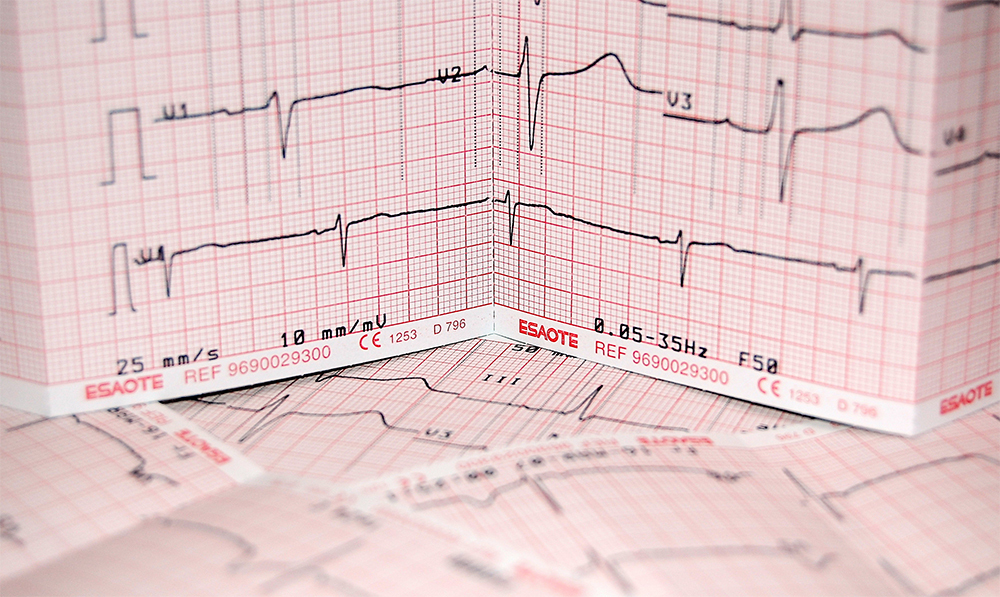
How to Get a Paramedic Certification
But first, obligatory advertisement.
I’m super excited to be affiliated with Pocket Prep! It’s a study app I’ve used in the past and know it will help you too.
And if you go through my affiliate link, I get a little kick back. It’s not much but it’s honest work.
Here’s a revised paragraph incorporating the SEO optimization tips: Becoming a paramedic can be a rewarding and fulfilling career. To achieve this goal, you’ll need to complete a paramedic program, pass the National Registry of Emergency Medical Technicians (NREMT) exam, and obtain a state license. Before starting a paramedic program, you’ll typically need to have a high school diploma or GED and EMT certification. Throughout your studies, you’ll gain hands-on experience through clinical rotations and learn essential skills like patient assessment, treatment, and advanced life support. Remember to stay updated on industry trends, network with other paramedics, and practice self-care to ensure a successful journey toward your paramedic certification.
Introduction Are you passionate about helping others and making a difference in your community? Becoming a paramedic offers a rewarding and fulfilling career path that allows you to save lives and provide critical care during emergencies. As a paramedic, you’ll be on the front lines, responding to a wide range of medical emergencies and providing essential medical treatment. Ready to embark on this exciting journey? This blog post will guide you through the steps of obtaining your paramedic certification, from education and training to obtaining a state license. We’ll cover everything you need to know to achieve your goal of becoming a skilled and compassionate paramedic.
Step 1: Education and Prerequisites A strong educational foundation is essential for a successful career in paramedicine. Before enrolling in a paramedic program, you’ll typically need to meet the following prerequisites: High School Diploma or GED A high school diploma or its equivalent, such as a GED, is a fundamental requirement for most paramedic programs. This demonstrates your basic academic skills and ability to learn complex medical information. Emergency Medical Technician (EMT) Certification Obtaining EMT certification is a crucial prerequisite for becoming a paramedic. EMT training provides you with the foundational knowledge and skills necessary to handle basic medical emergencies. To become an EMT, you’ll typically need to:
- Complete an EMT training program: These programs are offered by various institutions, including community colleges, technical schools, and fire departments.
- Pass the National Registry of Emergency Medical Technicians (NREMT) exam: This exam tests your knowledge and skills in areas such as patient assessment, airway management, and basic medical procedures.
- Obtain a state EMT license: Once you pass the NREMT exam, you’ll need to obtain a state EMT license to practice in your specific jurisdiction. Additional Prerequisites Some paramedic programs may have additional prerequisites, such as:
- CPR certification: Basic Life Support (BLS) certification is often required, demonstrating your proficiency in cardiopulmonary resuscitation.
- Physical fitness: Many programs require candidates to meet certain physical fitness standards, as paramedics need to be physically capable of performing demanding tasks.
- Background check: A background check may be conducted to ensure that you have a clean criminal record. By meeting these prerequisites, you’ll be well-prepared to embark on your journey toward becoming a paramedic.
Step 2: Choosing a Paramedic Program Selecting the right paramedic program is crucial for your success. When evaluating programs, consider the following factors: Accreditation Ensure the program is accredited by a recognized accrediting body, such as the Commission on Accreditation of Allied Health Education Programs (CAAHEP). Accreditation guarantees that the program meets high standards of quality and prepares graduates for successful careers. Curriculum Review the curriculum to ensure it covers all the essential components of paramedic training, including:
- Emergency medical response: Handling various emergency situations, such as cardiac arrest, trauma, and respiratory distress.
- Patient assessment: Evaluating patients’ conditions to determine the appropriate course of action.
- Pharmacology: Understanding and administering medications safely and effectively.
- Advanced cardiac life support (ACLS): Providing advanced care for patients with cardiac emergencies.
- Pediatric advanced life support (PALS): Treating pediatric emergencies and illnesses.
- Trauma care: Managing patients with traumatic injuries.
- Medical terminology: Understanding medical terms and concepts. Clinical Experience Look for programs that offer ample clinical experience. This hands-on training allows you to apply your classroom knowledge in real-world situations and develop essential skills.
- Clinical rotations: Consider the variety and quality of clinical rotations offered by the program.
- Preceptor relationships: Look for programs that emphasize strong preceptor relationships, as mentors can provide valuable guidance and support. Faculty Qualifications Evaluate the qualifications of the faculty. Experienced paramedics with a passion for teaching can provide you with valuable insights and mentorship.
- Credentials: Look for faculty members with advanced degrees and certifications in paramedicine.
- Teaching experience: Consider the faculty’s experience in teaching paramedic students. Program Reputation Research the reputation of the program within the local EMS community. Talk to current and former students to get their feedback on the program’s quality and outcomes. By carefully considering these factors, you can choose a paramedic program that provides you with the best possible education and preparation for a rewarding career.
- https://onlineclas.com/ultrasound-technician-class/
Step 3: Preparing for and Taking the Paramedic Certification Exam The National Registry of Emergency Medical Technicians (NREMT) administers the paramedic certification exam. This exam is a comprehensive assessment of your knowledge and skills as a paramedic. To prepare for and successfully pass the exam, follow these steps: Review the NREMT Exam Blueprint Familiarize yourself with the NREMT exam blueprint, which outlines the topics and content areas covered in the exam. This will help you focus your studies and identify areas where you may need more attention. Develop a Study Plan Create a study plan that outlines your study schedule, materials, and goals. Consider using a variety of study techniques, such as flashcards, practice exams, and group study sessions. Utilize Study Resources There are numerous study resources available to help you prepare for the exam, including textbooks, online courses, and practice exams. Consider using a combination of resources to reinforce your learning. Practice Regularly Consistent practice is key to success on the paramedic certification exam. Take advantage of practice exams and quizzes to assess your knowledge and identify areas where you need to improve. Join a Study Group Studying with a group can provide motivation, accountability, and opportunities for discussion. Find a study group of fellow paramedic students to share knowledge and support each other. Manage Stress The paramedic certification exam can be stressful, so it’s important to manage your stress effectively. Practice relaxation techniques, get enough sleep, and take breaks as needed. Take the Exam Once you feel adequately prepared, register for the NREMT exam and schedule a test date. Follow the exam guidelines and instructions carefully to ensure a smooth testing experience. By following these steps and dedicating yourself to your studies, you can increase your chances of successfully passing the paramedic certification exam.
Step 4: Obtaining a State Paramedic License Once you pass the NREMT exam, you’ll need to obtain a state paramedic license to practice in your specific jurisdiction. State licensing requirements may vary, but typically involve the following steps: Submitting Application and Fees Complete the state’s paramedic licensure application and pay any required fees. Providing Documentation Submit required documentation, such as your NREMT certification, proof of education, and background check results. Completing Continuing Education Requirements Many states require paramedics to complete a certain number of continuing education hours to maintain their license. This ensures that you stay up-to-date with the latest advancements in paramedicine. It’s important to note the distinction between national and state certifications:
- National Certification: The NREMT certification is a national credential that demonstrates your competency as a paramedic. It is recognized in all 50 states.
- State License: The state paramedic license is a legal document that authorizes you to practice paramedicine within that specific state. It is required for employment as a paramedic. While the NREMT certification is essential, obtaining a state license is equally important for practicing as a paramedic. By understanding the differences between national and state certifications, you can ensure that you meet all the necessary requirements to pursue a fulfilling career in paramedicine.
Conclusion Congratulations on taking the first steps toward a rewarding career as a paramedic! By following the steps outlined in this blog post, you can successfully obtain your paramedic certification and make a positive impact on your community. Remember to stay dedicated, motivated, and committed to your studies. With hard work and perseverance, you can achieve your goal of becoming a skilled and compassionate paramedic. So what are you waiting for? Start your journey today and make a difference in the lives of others.

 The Medic Mentor
Leave a comment