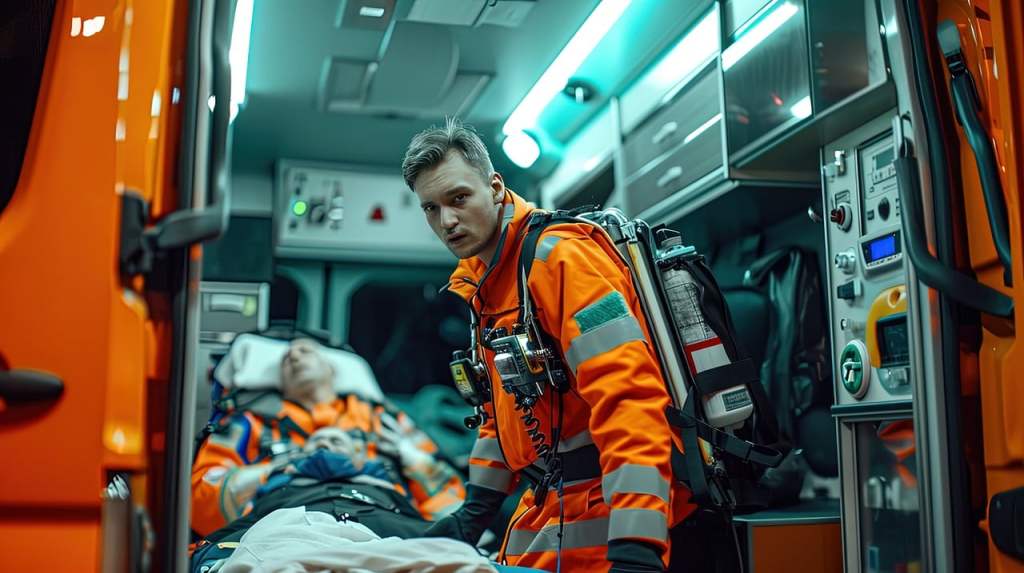
Why Fire Fighter EMT’s Should Become Paramedics
This article is going to cover the five biggest non-medical skills you learn as a paramedic and how they can help you get promoted.
Firefighting is an awesome career. You wouldn’t be reading this if you agreed.

But we don’t all want to spend our whole career in the backseat. At a certain point you start looking to that sweet pilot’s seat your captain is holding down.
But there’s a lot of things that come with being a captain.
And unless you’re really working at it, you might not learn all those skills. Thankfully, becoming a paramedic forces you to learn all the most important qualities you need to promote to paramedic.
Hey, I’m Shay. If you’re new here I’ve been working pre-hospital EMS/ firefighting for over a decade now.
Today I’m going to cover the 5 biggest reasons you should get your paramedic certification as a firefighter.
And they’re probably the same qualities you’d want in your own captain…
- Decision Making
- Teaching
- Leadership
- Compassion
- Conflict Management
Ready to dive in?
Let’s breakdown the 5 reasons firefighters should consider stepping up to become paramedics.
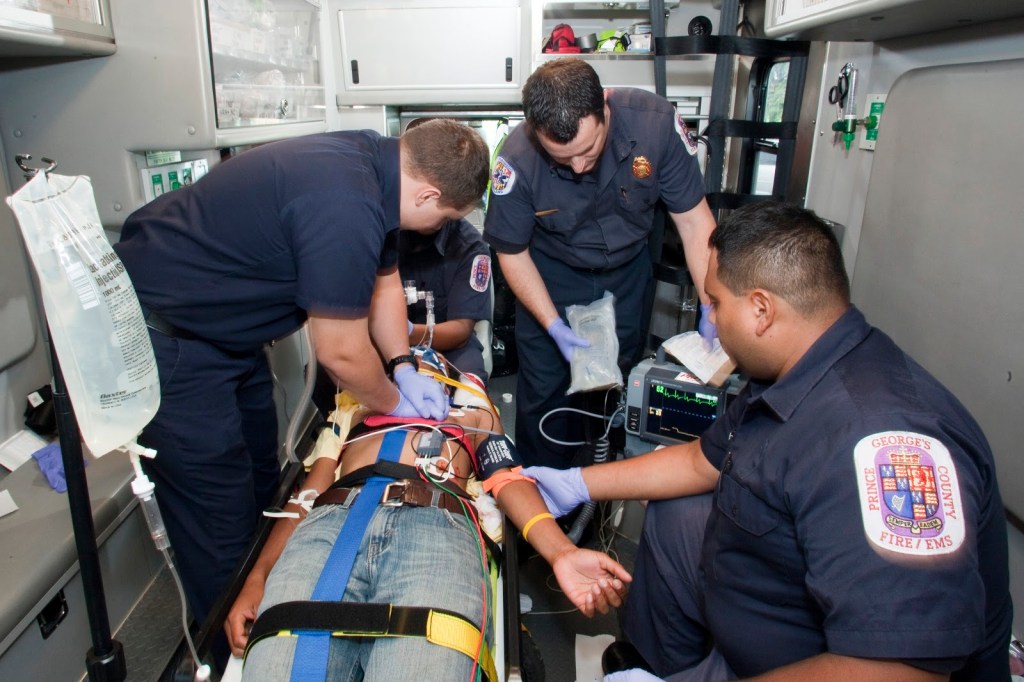
Decision Making
Yeah, I know, you’ve been making decisions every day of your life.
You should be pretty good at it by now , right? Just hear me out.
Becoming a paramedic isn’t just about knowing the difference between an A-fib and a STEMI. Well, not all the time at least. It’s more about sharpening your ability to gather information, manage resources, and make high-stakes decisions on the fly.
Information Gathering:
Patients are puzzles wrapped in a somewhat annoying package.
Ask them how they feel and they’ll give you a whole book of every slight ailment they’ve ever had. Your job is to distill that information down to its most important bits and use that to treat their complaints.
Over time you’ll get better and better at fitting those pieces together.
And then you end up with a pretty picture! Or at least a good idea of why your patient called.
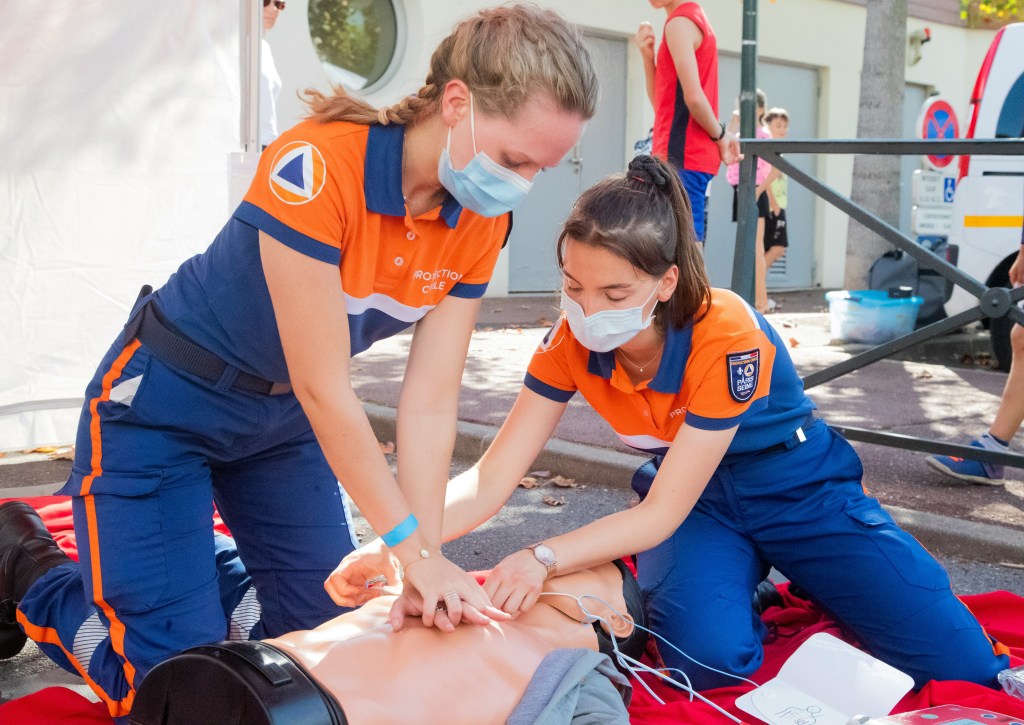
Resource Management
Despite what all paramedics think, we aren’t actually mobile emergency rooms. We have limited time, limited tools, and limited personnel.
You have to be excellent at dictating who does what at all points during the call.
If your probie is dilly-dallying with a BP cuff while you have an unconscious diabetic, you need to set them straight. You have to use all your puzzle pieces of information to prioritize vitals signs and treatment algorithms.
High Risk Decisions
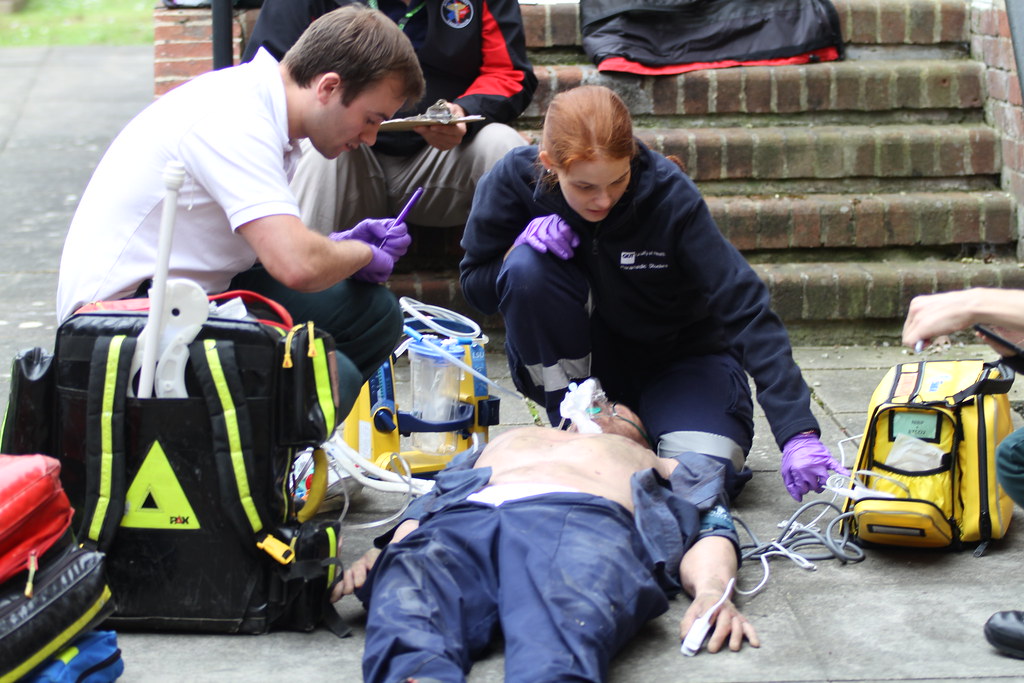
You’re the end all be all on medical scenes.
All decisions ride on you. Being confident and giving clear instructions can make the difference between a good outcome for your patient or you calling the morgue for a code 900.
So brush up on your Sherlock Holmes detective skills because your patient depends on you.

2. Teaching
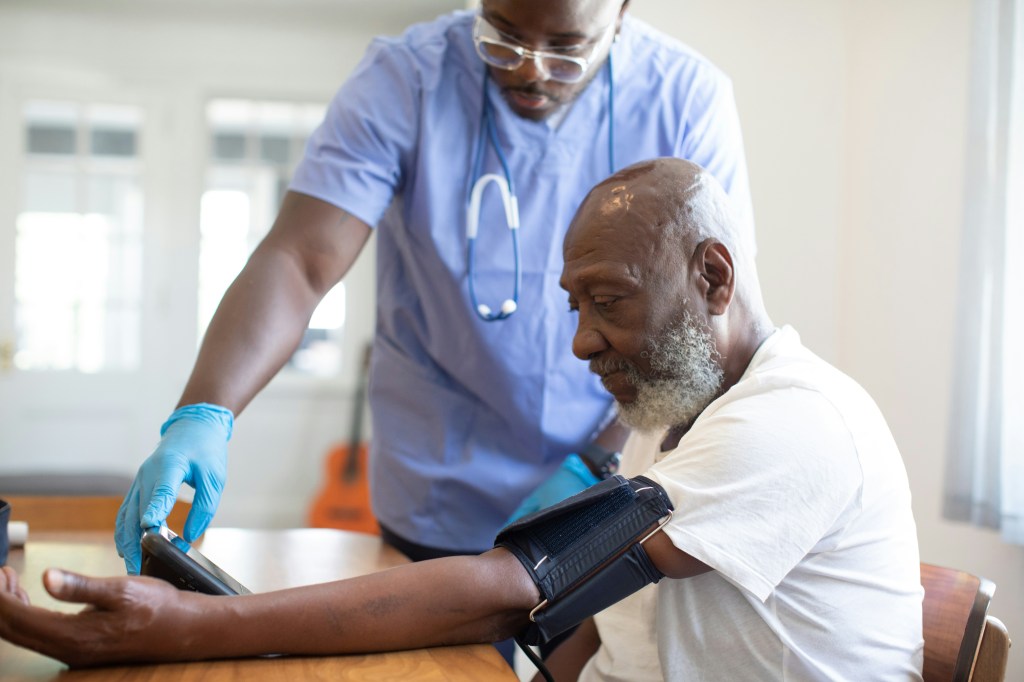
Being a paramedic automatically puts you in the “teacher” role.
Patients, new recruits, even your crew—they’ll all look to you for guidance. Medical directors LOVE to put out new information. If you aren’t on top of it your crew wont be either.
And we’re all here for the patient. We can’t be operating with outdated medical practices.
Presentation Skills
As a captain you will 100% need to make presentations.
Even if you don’t call it a presentation, explaining things to patients’ families or even just a crew member is a small scale presentation.
It’s public speaking on a small stage. I know most people hate it. I do too. But it’s going to be a huge part of your career if you ever do promote.
The only way to get better to is to force yourself out of your comfort zone and practice.
Parenting Bonus
If you can keep a rookie calm during their first code, you can definitely handle a crying kid.
3. Leadership
Leadership has never been about barking orders. It’s about making your team the best they can be.
Sure, you are the medic for now. You don’t get to dictate the standards for your whole crew. You can however set the standard for medical calls. This is the area you get to help your crew excel at.
You can spear head training. You can create medical scenarios for your crew to run.
Make sure everyone knows their role on a code.
Assess peoples skills, see what they suck at, and make them better. But do it without being a dick. You can have high standards without making everyone hate you.
Better yet, have higher standards for yourself than you have for others. Lead by example, not force.
Accountability
Another big leadership quality, accountability.
Again you don’t run the crew- yet. But you the responsibility for every medical now falls on you as a paramedic. Accept that burden.
When things go right, blame your crew. When things go wrong, its all on you.
You didn’t prepare them well enough. You didn’t practice enough with them. You didn’t delegate well.
Its a heavy burden to carry but that;s the price you pay for being a leader.
4. Compassion
Let’s talk about compassion fatigue.
It’s real, and it’s brutal. Becoming a paramedic forces you to confront it head-on.
I see compassion as a muscle. Use it or lose it. If you aren’t working it out it’ll get weak and it will fail you eventually.

We’ve all heard “the obstacle is the path.”
That applies here too. The fact that you are dealing with rude ungrateful people is the only way to actually practice compassion. It’s easy to be compassionate when all our patients are clean and kind.
Compassion is only really compassion when its hardest to have.
There are a million things you can do to keep your compassion up to par. Far too many to go over here. I suggest you try out a few different methods and stick with what works best for you. Not everything will work for everyone.
My favorite is a gratitude practice.
And no it’s not some fluff “I’m thankful for my family.”- though you should be thankful for that.
No, it’s more about being thankful for the hardships you face. If you can be grateful for the lessons you learned from a hard day, you can be grateful for anything.

5. Conflict management
Everyone’s favorite section of captain testing, conflict management.
Through a bunch of type A fire fighters into a house and make them live together day in and day out. You’re bound to have some conflict.
But as a captain you need to learn to manage that.
It’s one of the biggest things you do as the leader of your shift.
And becoming a paramedic is a great way to practice this skill. You will be running into grumpy patients and rude nurses. You won’t get very far if you match their attitude. As fun as that can be.
No, you need to learn to keep yourself cool and collected and navigate those situations.
Plus you tend to get a room at the hospital a lot faster if the charge nurse likes you. It pays to be kind.
Paramedic to Captain
Here’s the recap:
- Good decision making comes in handy in every area of life
- Teaching skills makes your whole team stronger
- Leadership isn’t just about skills—it’s about empowering your people.
- Compassion is a muscle. Becoming a paramedic work keeps it strong.
- Good Conflict management skills can smooth over a lot of annoying speed bumps
Did I convince you to become a Medic?
Maybe even a little? Well if I did, you can find accredited programs to go from EMT to Paramedic here. The CAAHEP has a full list of paramedic training programs you can take.
It even lets you search by area code so you can find the closest program to you. It’s a public site and 100% free to search. No sign-ups required.
And if you are really serious about becoming a paramedic you can find more resources on how to pass the class and National Registry testing HERE.
And if you want a head start on your paramedic classes, check out Pocket Prep. They are our number one recommended study app for students.
*Bonus points if you use that link. We get a little commission on everyone and it doesn’t cost you anything extra. Every bit helps keep the site running smoothly.


 The Medic Mentor
Leave a comment