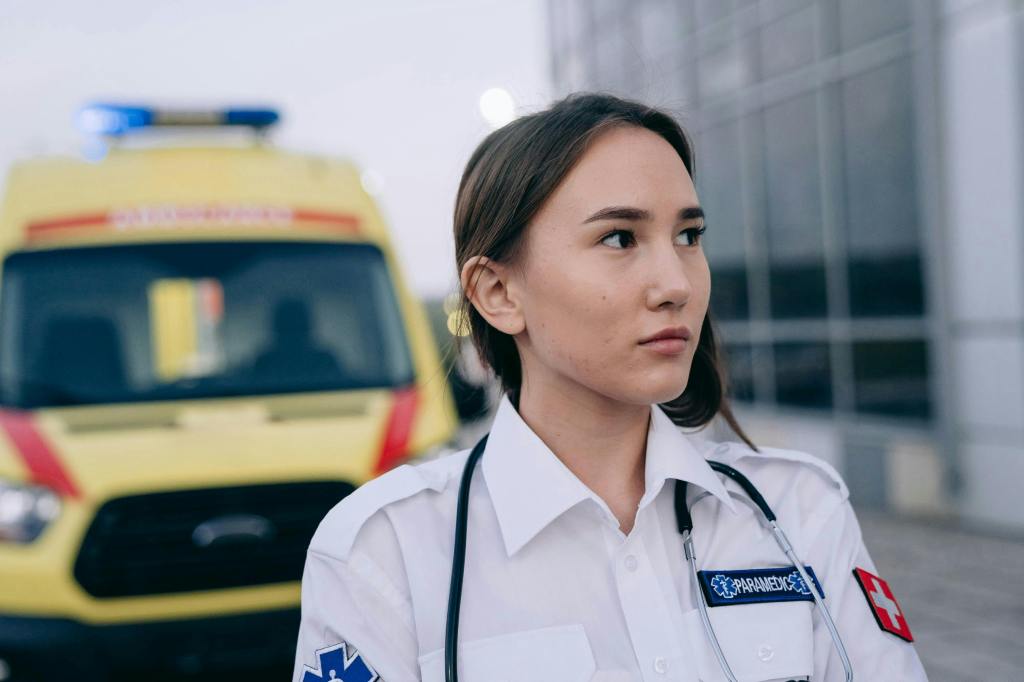
The siren wails, adrenaline surges, and time seems to slow. You’re on the front lines of life and death, a guardian angel in scrubs. The world outside fades away as you focus on the task at hand: saving a life. Is this the adrenaline-fueled, high-stakes career you’ve been dreaming of? Or is it a path fraught with challenges and sacrifices? Let’s dive into the world of a paramedic and explore whether this demanding yet rewarding profession is the right fit for you.
What Does a Paramedic Do?
Paramedics are the unsung heroes of the emergency medical services (EMS) field. Their role is multifaceted, requiring a unique blend of medical knowledge, technical skills, and emotional resilience.
At the core of a paramedic’s responsibilities is providing emergency medical care to patients in a variety of settings, from car accidents to heart attacks. They are trained to assess a patient’s condition, stabilize their vital signs, and administer appropriate medical treatments. This may involve anything from bandaging a wound to performing advanced life support procedures like cardiopulmonary resuscitation (CPR) and administering medications.
Beyond the immediate medical care, paramedics often play a crucial role in transporting patients to hospitals. This involves securing the patient safely on a stretcher, monitoring their vital signs during transport, and communicating with the hospital staff to ensure a smooth handover. Additionally, paramedics may be involved in disaster response, public health initiatives, and community education programs.
The Pros and Cons of Being a Paramedic
A career as a paramedic offers a unique blend of challenges and rewards. On the one hand, it provides an opportunity to make a tangible difference in people’s lives. The satisfaction of saving a life or alleviating someone’s suffering is unparalleled. Paramedics often work in diverse and dynamic environments, experiencing a wide range of cases and situations. This can keep the job exciting and prevent boredom.
However, the profession also comes with its fair share of drawbacks. Paramedics often work long, irregular hours, which can disrupt their personal lives and sleep schedules. The job can be physically demanding, requiring strength, stamina, and the ability to lift and carry heavy loads. Additionally, paramedics are frequently exposed to traumatic and emotionally charged situations, which can take a toll on their mental health.
The Education and Training Required to Become a Paramedic
To become a paramedic, you’ll need to complete a rigorous education and training program. The first step is typically obtaining a high school diploma or GED. After that, you’ll need to become an Emergency Medical Technician (EMT). This involves completing an EMT certification course, which covers basic life support skills, such as CPR and first aid.
Once you have your EMT certification, you can enroll in a paramedic program. These programs are typically offered by community colleges, technical schools, or hospitals. The curriculum includes advanced medical training, such as pharmacology, advanced airway management, cardiac care, and trauma care. Paramedic programs are demanding, requiring a significant time commitment and often involving both classroom instruction and clinical rotations.
Pros and Cons of Being a Paramedic
Pros:
- Job Satisfaction: The ability to directly impact people’s lives and potentially save lives can be incredibly rewarding.
- Diverse Work Environment: Paramedics work in various settings, from urban environments to rural areas, offering a dynamic and ever-changing work experience.
- Opportunities for Advancement: With additional certifications and experience, paramedics can advance into supervisory roles, specialized positions like flight paramedic or tactical paramedic, or even pursue careers in medical education or administration.
- Competitive Salary and Benefits: Paramedics often receive competitive salaries and benefits packages, including health insurance, retirement plans, and paid time off.
Cons:
- Long Hours and Irregular Shifts: Paramedics frequently work long, irregular shifts, which can disrupt sleep patterns and personal life.
- High-Stress Environment: The demanding nature of the job, coupled with exposure to traumatic situations, can lead to significant stress and burnout.
- Physical and Emotional Demands: Paramedics must be physically fit and emotionally resilient to handle the physical exertion and emotional toll of the job.
- Exposure to Traumatic Situations: Paramedics are often exposed to traumatic events, such as accidents, violence, and sudden deaths, which can have a lasting impact on their mental health.
Conclusion
So, is a career as a paramedic right for you? It’s a demanding yet incredibly rewarding profession that requires a unique blend of medical knowledge, physical fitness, and emotional resilience. Before taking the plunge, consider the challenges and rewards carefully. Are you prepared for the long hours, high-stress environment, and exposure to traumatic situations? Do you possess the necessary compassion, empathy, and problem-solving skills?
And if you really do want to become a paramedic, get a head start with Paramedic Flash. With both a physical and digital option, you can take your paramedic prep on the go. They break down some pretty complex topics and turn them into easily digestible, bite-sized chunks.
P.S. If you follow that link I get a small kickback from Paramedic Flash. It costs you nothing but it helps keep this site up and running.

 The Medic Mentor
Leave a comment