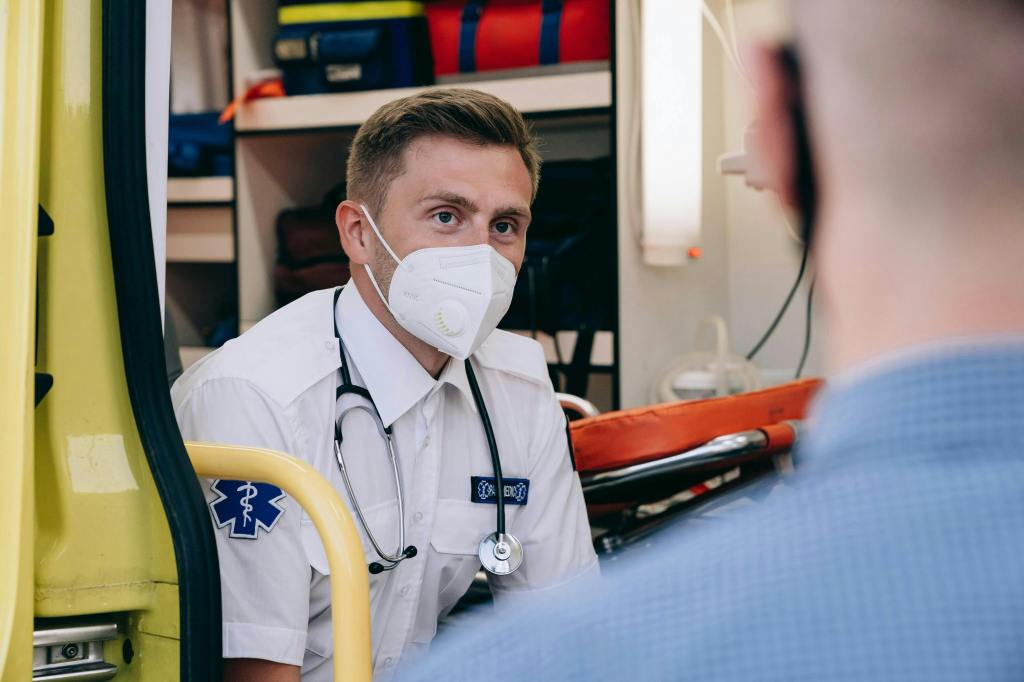
job opportunities for paramedics
The siren wails, the city lights blur past, and the adrenaline surges. You’re not just responding to a call; you’re racing against time to save a life. As a paramedic, you’re the first line of defense in medical emergencies, the bridge between the crisis and the hospital. But the role of a paramedic extends far beyond the ambulance. With a myriad of specialized fields and growing demand, the opportunities for paramedics are as diverse as they are essential.
Traditional Paramedic Roles
Paramedics are the backbone of emergency medical services (EMS), providing critical care to patients in need. While the traditional role of a paramedic is often associated with ambulance services, there are several other traditional roles that offer diverse opportunities within the field.
Emergency Medical Services (EMS) Paramedics
EMS paramedics are the most common type of paramedic, working primarily in ambulance services. They respond to a wide range of emergency calls, including accidents, heart attacks, strokes, and other medical emergencies. Their responsibilities include assessing patients’ conditions, providing immediate medical care, stabilizing patients, and transporting them to hospitals. EMS paramedics often work in shifts, which can be demanding and require flexibility.
Fire Department Paramedics
Fire department paramedics combine firefighting skills with advanced medical training. They respond to fires, accidents, and medical emergencies, providing emergency medical care to victims at the scene. Fire department paramedics may also be involved in public education and community outreach programs. They often work closely with other emergency responders, such as police officers and firefighters, to coordinate efforts and provide comprehensive care to patients in need.
Specialized Paramedic Roles
In addition to traditional paramedic roles, there are several specialized areas that offer unique opportunities for paramedics with advanced training and skills.
Critical Care Paramedics
Critical care paramedics possess advanced skills and knowledge in managing complex medical conditions. They often work in critical care transport teams, transporting critically ill or injured patients between hospitals. These paramedics are highly skilled in administering medications, managing advanced airway devices, and monitoring vital signs. They work closely with physicians and nurses to ensure optimal patient care during transport.
Flight Paramedics
Flight paramedics work on helicopters or fixed-wing aircraft, providing advanced medical care to patients in remote or inaccessible areas. They face unique challenges, such as the dynamic environment of flight and the need to adapt to rapidly changing conditions. Flight paramedics require specialized training in aviation medicine, aeromedical transport, and critical care. They often work in conjunction with flight nurses to provide comprehensive care to patients during air medical transport.
Tactical Paramedics
Tactical paramedics are specially trained to provide medical care in high-risk environments, such as hostage situations, active shooter incidents, and natural disasters. They work closely with law enforcement and military personnel to provide immediate medical care to injured individuals in dangerous situations. Tactical paramedics require extensive training in tactical medicine, trauma care, and weapons handling.
Job Outlook and Salary
The demand for paramedics is steadily increasing due to factors such as an aging population, increasing rates of chronic illnesses, and the growing complexity of emergency medical care. As a result, job opportunities for paramedics are expected to remain strong in the coming years.
Paramedic salaries can vary depending on factors such as experience, location, and specialty. On average, paramedics earn a competitive salary and often receive benefits packages that include health insurance, retirement plans, and paid time off. However, salaries can vary significantly between different regions and employers.
Advancement Opportunities
Paramedics have several opportunities for career advancement. One common path is to move into supervisory roles, such as shift supervisor or operations manager. These positions often involve overseeing the daily operations of an ambulance service or emergency medical services agency.
Another avenue for advancement is to pursue a career in medical education and training. Paramedics with extensive experience and expertise can become instructors or clinical preceptors, teaching the next generation of paramedics.
Additionally, some paramedics may choose to specialize in a particular area, such as critical care, flight medicine, or disaster response. These specialized roles often offer higher salaries and greater opportunities for professional growth.
Tips for Finding a Paramedic Job
Finding a paramedic job often requires a strategic approach and a proactive mindset. Here are some tips to help you in your job search:
Networking
Networking is a powerful tool for finding job opportunities in the healthcare field. Attend industry conferences, join professional organizations, and connect with other paramedics on social media. Building relationships with other professionals can lead to valuable job leads and opportunities for mentorship.
Resume and Cover Letter
A strong resume and cover letter are essential for making a positive impression on potential employers. Highlight your relevant skills, certifications, and experience. Use keywords that are commonly used in job postings to increase your visibility in applicant tracking systems.
Interview Preparation
Prepare for interviews by researching the organization and practicing common interview questions. Be prepared to discuss your experience, skills, and career goals. Show enthusiasm and a genuine interest in the position.
By following these tips and staying persistent, you can increase your chances of finding a fulfilling and rewarding career as a paramedic
Conclusion
The role of a paramedic is dynamic and diverse, offering a wide range of career opportunities. From traditional EMS roles to specialized fields like flight medicine and disaster response, paramedics play a critical role in saving lives and improving public health. By pursuing further education, gaining specialized certifications, and networking with other professionals, paramedics can advance their careers and make a significant impact on their communities.

 The Medic Mentor
Leave a comment