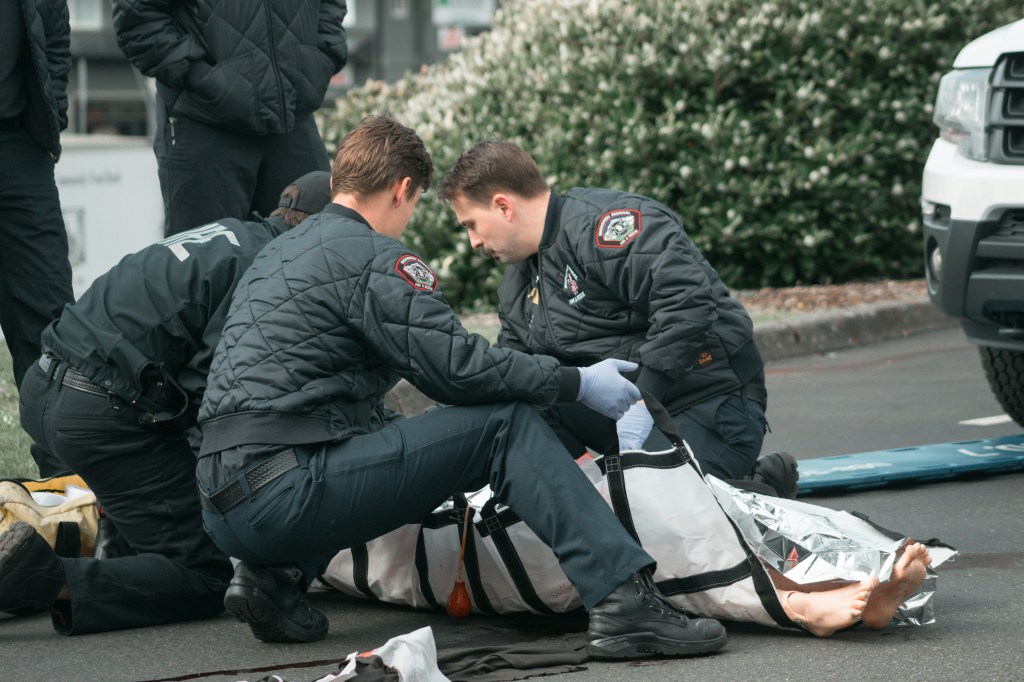
Are Paramedic Jobs In Demand?
Imagine the adrenaline rush, the life-or-death situations, and the profound impact of saving lives. As a paramedic, you’re not just a healthcare professional; you’re a first responder, a guardian angel, and a beacon of hope in times of crisis. The world is increasingly relying on skilled paramedics to navigate emergencies and provide critical care. With an aging population, rising accident rates, and expanding healthcare needs, the demand for dedicated paramedics has never been higher.
The Role of a Paramedic: A Lifesaver’s Calling
Paramedics are the unsung heroes of the healthcare industry, often working tirelessly behind the scenes to save lives. Their role extends far beyond the traditional hospital setting, encompassing a wide range of emergency medical services.
Primary Responsibilities At the core of a paramedic’s duties lies the provision of immediate medical care to individuals experiencing illness or injury. This involves assessing patients’ conditions, administering life-saving treatments, and transporting them to appropriate healthcare facilities. From stabilizing heart attacks to managing traumatic injuries, paramedics are trained to handle a variety of medical emergencies.
Diverse Work Environments Paramedics operate in diverse work environments, each presenting unique challenges and opportunities. Urban paramedics may respond to a high volume of calls in densely populated areas, while rural paramedics often face longer response times and more isolated incidents. Specialized units, such as flight paramedics and tactical paramedics, offer opportunities for advanced training and unique skill sets.
Educational Requirements and Certifications To become a paramedic, aspiring professionals must complete a rigorous educational program accredited by the Commission on Accreditation for Prehospital Continuing Education (CAPCE). This typically involves a combination of classroom instruction, hands-on training, and clinical experience. Upon successful completion of the program, paramedics must pass a national certification exam administered by the National Registry of Emergency Medical Technicians (NREMT) to obtain their licensure.
Additional Considerations Beyond the core responsibilities and educational requirements, paramedics must possess a unique blend of skills and qualities. Strong communication skills are essential for effectively interacting with patients, families, and other healthcare professionals. Critical thinking and problem-solving abilities are necessary for making rapid decisions in high-pressure situations. Physical fitness and emotional resilience are also crucial for handling the demanding nature of the job.
In conclusion, the role of a paramedic is both challenging and rewarding. As the demand for skilled healthcare professionals continues to grow, paramedics play a vital role in providing immediate medical care and saving lives. With diverse work environments, competitive salaries, and the opportunity to make a real difference, a career as a paramedic offers numerous benefits. If you’re passionate about helping others and possess the necessary skills and qualifications, consider pursuing a career in this dynamic field. Remember, every life saved is a testament to the dedication and expertise of paramedics.
P.S. If you’re a current medic that doesn’t want to start loosing all that knowledge from class, try Paramedic Flash.
I’m super happy to be affiliate with them now. They have an excellent set of flash cards that break down complicated topics, like pharmacology, and make it easy to understand.
Plus using our link here helps us keep the lights on at Medic Mentor.

 The Medic Mentor
Leave a comment