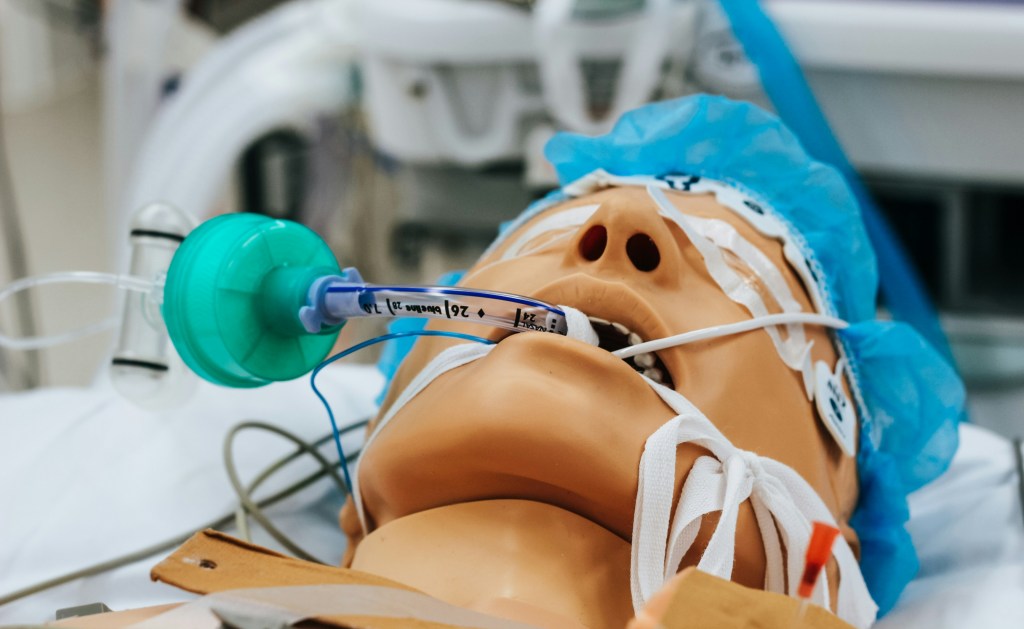
igel vs intubation
The air hangs heavy, the patient’s breaths shallow and labored. Time is of the essence. The medical team faces a critical decision: Igel or intubation? Each choice carries its own set of risks and rewards, a delicate balance between speed and security. This article delves into the intricacies of these two primary airway management techniques, comparing their advantages, disadvantages, and appropriate use cases. We’ll explore the factors that influence the decision-making process, from patient anatomy to the urgency of the situation. By understanding the nuances of Igel and intubation, healthcare providers can make informed decisions that optimize patient outcomes and minimize complications.
Understanding Igel
The Igel, a supraglottic airway device, has revolutionized airway management in recent years. Its ease of use and potential to reduce complications have made it a valuable tool in a healthcare provider’s arsenal.
What is an Igel?
The Igel is a single-use, disposable airway device shaped like a tube with a curved tip. It’s designed to be inserted blindly into the pharynx, positioning itself above the glottis, thereby securing an airway. The device is made of a soft, flexible material that conforms to the patient’s airway, minimizing the risk of trauma.
Advantages of Igel
One of the primary advantages of the Igel is its ease of insertion. Unlike traditional endotracheal intubation, which requires skilled operators and specialized equipment, the Igel can be inserted rapidly, even by less experienced providers. This can be crucial in emergency situations where time is of the essence.
Additionally, the Igel is associated with a reduced risk of airway trauma. Because it doesn’t require direct visualization of the vocal cords, there’s a lower chance of damaging delicate structures like the teeth, gums, and vocal cords. This can lead to faster recovery times and reduced postoperative complications.
Disadvantages of Igel
While the Igel offers several advantages, it also has limitations. One of the primary drawbacks is its limited ability to provide definitive airway control. Unlike endotracheal intubation, which allows for secure airway protection and controlled ventilation, the Igel may not be suitable for prolonged ventilation or patients with significant airway obstruction.
Another potential disadvantage of the Igel is the risk of airway obstruction. If the device is not positioned correctly or if there’s excessive secretions, it can lead to partial or complete airway obstruction. Regular monitoring and suctioning are essential to minimize this risk.
Igel vs. Intubation: A Comparative Analysis
Now that we have a solid understanding of both Igel and intubation, let’s delve into a comparative analysis to determine the best approach for different clinical scenarios.
Indications for Igel
- Difficult Airway Scenarios: The Igel is particularly useful in situations where traditional intubation is challenging, such as patients with limited neck mobility, facial trauma, or anticipated difficult airway.
- Rapid Sequence Intubation: In emergency situations requiring rapid airway control, the Igel can be a valuable tool to provide initial airway support while preparing for definitive airway management.
- Patients with Limited Neck Mobility: For patients with conditions like cervical spine injury or severe arthritis, the Igel can be a less invasive option to secure the airway.
Contraindications for Igel
- Severe Facial Trauma: In cases of significant facial trauma, the Igel may be difficult to insert or may not provide adequate airway protection.
- Significant Upper Airway Obstruction: If the upper airway is severely obstructed, the Igel may not be able to overcome the obstruction and provide adequate ventilation.
- Need for Prolonged Mechanical Ventilation: While the Igel can be used for short-term ventilation, it may not be suitable for prolonged mechanical ventilation due to the risk of airway complications.
Indications for Intubation
- Respiratory Failure: Patients with severe respiratory failure often require intubation to provide adequate oxygenation and ventilation.
- Loss of Protective Airway Reflexes: Patients who have lost their gag reflex or cough reflex may benefit from intubation to prevent aspiration.
- Need for Controlled Ventilation: Intubation allows for precise control of tidal volume, respiratory rate, and inspiratory pressure, which is essential for patients with respiratory distress.
Contraindications for Intubation
- Severe Cervical Spine Injury: In cases of suspected or confirmed cervical spine injury, intubation should be performed cautiously to avoid further injury.
- Significant Upper Airway Obstruction: If the upper airway is severely obstructed, intubation may be difficult or impossible.
- Failed Intubation Attempts: If multiple attempts at intubation are unsuccessful, alternative airway management strategies, including the Igel, may be considered.
In conclusion, the choice between Igel and intubation depends on a variety of factors, including the patient’s clinical condition, the severity of their airway compromise, and the skillset of the healthcare provider. While the Igel offers a rapid and relatively low-risk option for securing the airway, intubation provides more definitive airway control and allows for prolonged mechanical ventilation. By understanding the advantages and limitations of each technique, healthcare providers can make informed decisions that optimize patient outcomes. Remember, the ultimate goal is to provide safe and effective airway management, so always prioritize patient safety and consider ongoing advancements in airway technology.
And if you want some extra help studying for your upcoming NREMT, try Pocket Prep.
A full service review and NREMT prep available wherever you are. Pull out your phone while in line (or waiting for a particularly long red light) and get to studying.
Or sit down for an entire practice exam. Complete with breakdowns of every question and answer, you will know exactly what you need to focus on.
Plus, if you use our affiliate link, we get a small commission to help keep this website up and running.


 The Medic Mentor
Leave a comment