Unique Career Paths Paramedics Can Take
Think being a paramedic is all sirens, lights, and hauling patients to the ER?
It’s not.
There’s way more to this career than the back of an ambulance. Shoot you can travel the world if you want. The sky’s the limit.
Paramedicine is like a choose-your-own-adventure book.
Want adrenaline? Got it. Prefer steady hours and a calmer environment? That’s an option, too.
It really comes down to what you’re looking to get out of your career.
If you’re here for the first time my name’s Shay. I’ve been working in EMS for over a decade now. And today I’m going over some of the different career paths paramedics can take.
Doesn’t matter if you’re fresh out of class or looking to switch gears.
Stick around. I’m going over a bunch of options and I’ll give you some tips that might help you choose one over the others.
Traditional Paramedic Roles
Let’s start with the classic paramedic job.
It’s what you probably thought of first—911 calls, racing the clock, saving lives. You know, the cool shit.
These are the ambulance medics and the fire medics.
If you choose this path you’ll find your way into private transport companies, fire departments, or ambulances.
I won’t spend a lot of time here. We’re all pretty familiar with this career route by now.
Event Paramedic
Think concerts, sports games, and festivals.
This would be a dope gig. I’ve had friends go to Taylor Swift, Blink 182, and NFL games as paramedics. Not a bad thing to get paid for.
Your job is pretty simple. Keep things safe while the crowd has fun…or drinks too much.
Which happens quiet a lot.
These events are less consistent and are better for side work. However, you get to be paid to go to some really cool events. Keep your eye open for these spots.
Plus, it’s pretty rare you get more than a syncope or intoxicated patient here.
Industrial Paramedicine
Looking to get away from the sirens and 911 calls?
Industrial paramedics are on-site workers as a precaution for workers in high-risk environments. You’ll find them on oil rigs, in mines, and at big industrial sites.
Here’s a low down of what they generally do.
Treat on-site Injuries. Often these are minor cuts scrapes and bruises. But be prepared for some serious accidents.
There are some big machines at these work sites.
Emergency planning. You’re the medical professional. You will be helping in creating and implementing plans in case of extreme incidents.
Teaching Safety Training. No one likes our mandatory OSHA training. They are essential though. Being a good instructor means making that information useful AND entertaining.
As a nice bonus the jobs often pay well with consistent hours.
Critical Care Transport (CCT)
You’re a paramedic so I already know you’re kinda a nerd. Well CCT medics are the nerdiest of the nerdy.
CCT paramedics handle some of the sickest patients we run into.
Often these are IFTs (Interfacility Transports). They get a lot of flack in the EMS world but they an essential part of our healthcare system.
It doesn’t get the same glamour as a fire medic, but you do still need additional training and certifications.
Specifically on ventilators and IV infusions.
You’ll have to learn how to keep ventilators running and know what your patient needs. Plus, you can transport patients getting advanced medications from hospitals.
This job isn’t for everyone—it’s intense. But if you love a challenge, it’s hard to beat.
Flight Paramedics
This is the height of paramedicine. Pun fully intended.
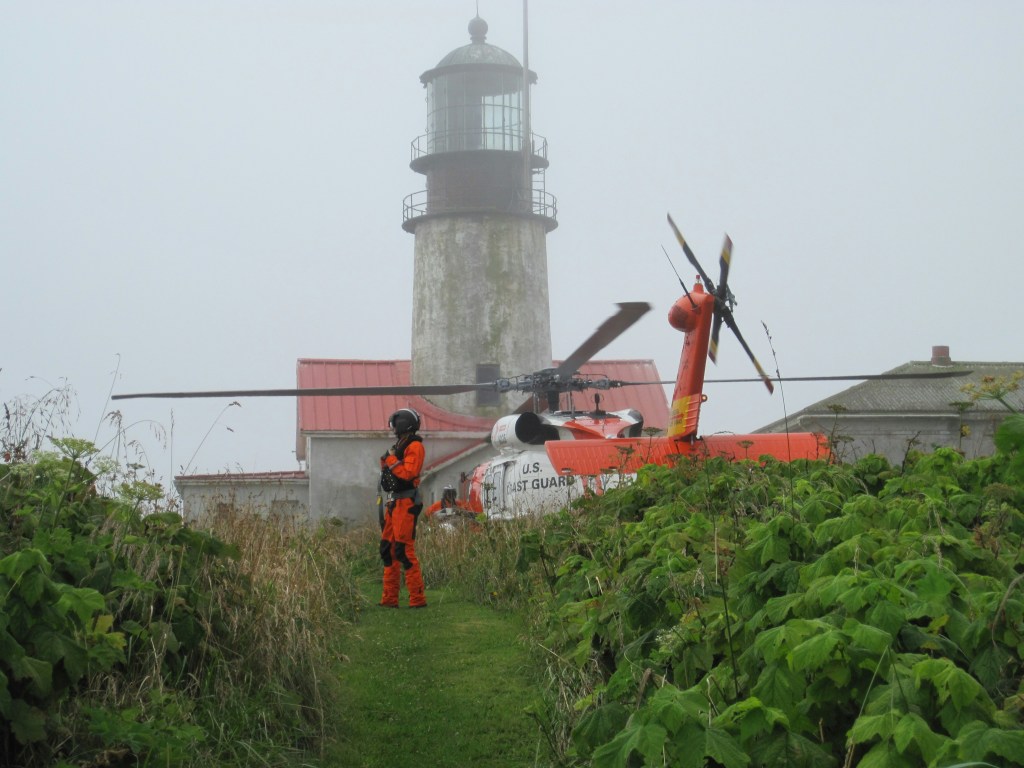
Often you’ll see flight medics working with a pilot and a nurse in a helicopter. Super exciting and you run some good trauma transports from rural departments.
But there’s some tradeoffs with all that cool-ness.
There are even more certifications you need. Specifically you need your FP-C cert. And you have to do a lot of off shift work to keep those certs.
Flight medics also make that much more than ground medics.
For all the risk flight paramedics take you’d think they would make bank. We’ll think again. It’s only slightly more than a fire medic.
And there’s no risk of crashing from 100 feet in the air in an ambulance.
TLDR: Helicopters are scary. Choose this path wisely.
Disaster Response and Humanitarian Aid
The obvious downside is this work is unpredictable.
You can’t guarantee you’re going to get this work regularly. And ideally you’d never get a job! We don’t want these types of disasters to happen.
They are highly rewarding jobs though.
You get to help not just people but whole communities. Maybe not even the sick and injured. You could be giving out water or vaccines.
In my opinion, this is something to volunteer for when disasters happen, but don’t count on it as an income.
Education and Training
Honestly, this isn’t something many new medics start to look at.
But after 13 years it’s one of my favorite roles as a paramedic. It’s great to pass on some of the practical advice I’ve picked up over the years.
No one likes listening to that instructor that went immediately into teaching after getting their medic.
Don’t be that person.
Go out and get some experience. Learn everything you can. Then come back and share that experience with those brand new student paramedics.
This is also an excellent first step to get into our next job path.
Research and Administration
Once you run a million calls you might find yourself wishing you could make a bigger impact.
Research and administration are great options.
Study what works (and what doesn’t) in prehospital scenarios. Publish those findings. Share your nerdy medic love with the world.
Administration positions help develop SOPs and implement the previously mentioned research.
These positions aren’t as hands on as field work
But the scope of impact is much greater. You’re in a position to make a real difference for patients. Plus you can make life easier for the medics under you.
You’ll need a lot more education for these roles.
Thats why you should never stop learning. Likely you’ll need to finish a bachelor’s degree before finding yourself in one of these positions. But look to the future. These are great goals to set for yourself.
Final Thoughts
Paramedicine isn’t a one-size-fits-all gig.
If you want fast-paced action, it’s there. If you want to teach the next generation there’s nothing stopping you.
Spend some time figuring out what excites you.
And don’t be afraid to change. After a few years in any position you may want a change. Nothing wrong with that.
In fact, a wide range of experience will be better for you overall.
To recap: here are those 8 paramedic career paths we went over
- Ambulance paramedic
- Event paramedic
- Industrial paramedic
- Critical Transport
- Flight
- Disaster Response
- Education and Training
- Research and Administration
Don’t feel stuck.
The EMS world is big, and there’s a place in it for you. You’ve just gotta go find it.
And if you want to see more paramedic resources you can find everything here.

 The Medic Mentor
Leave a comment