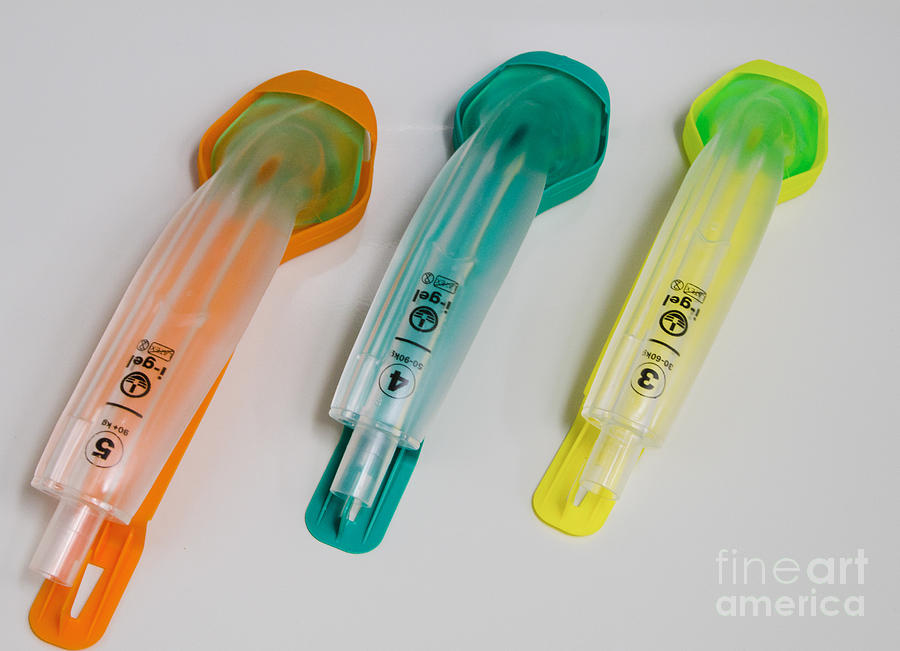
This article covers the usefulness of IGels, how to place them properly, and when not to use them.
If you’re a new paramedic, you need to read this study from the NIH about IGels
Recently, the National Institute of Health did a whole study on IGels. Specifically they wanted to see if they were that different from intubating patients
Oddly enough, a lot of paramedics don’t like IGels.
Personally, I love them.
I think it really comes down to paramedics not knowing enough about them.
And new stuff is scary. Intubation has been the king of airway management for years. Why change now?
Or maybe your senior medic is just super salty and they don’t like change.
To each their own.
But first, if you’re new here, I’m Shay. I’m a firefighter paramedic and I’ve been working prehospital ems for over a decade now.
Today, we’re covering everything about IGels.
Why they’re great, how to place them (properly), and when you definitely shouldn’t use an IGel.
Let’s get started

Are They As Good As ET Tubes?
But aren’t IGels worse than ET tubes?
That’s what the study wanted to find out.
And as it turns out, they aren’t. The study showed that IGels are just as good as intubations.
At least when they’re placed properly.
In terms of ventilation and oxygenation, the patient outcomes were the same.
And big bonus, there are fewer complications to IGel placement.
No issues with displacement or obstructions during the study. Of course this was performed in the hospital setting. No true data has been collected on displacement in the pre-hospital setting.
However, there is one study showed the IGel is actually LESS prone to dislodgment.
The IGel is made of a plastic called thermoplastic elastomer. Styrene Ethylene Butadene Styrene (SEBS) to be exact.
SEBS is a plastic that molds to its surroundings when heated.
And the airway is just hot enough to get the job done.
That means the longer the IGel is in place, the better it fits.
Just like an ET tube, the IGel gets secured with a strap. It’s not going anywhere.
So, we know that IGels are just as good for ventilating a patient as an ET tube. It is a secure airway, albeit a BLS one.
Why don’t they get used more?
Because anecdotally they don’t work as well.
What gives? The research says one thing but providers are saying another.
Well, is actually because EMTs and Paramedics are putting them in wrong.
Yes they are easy to place. The issue is they’re almost too easy.
IGels are really simple.
So simple they are can get misplaced often. This happens when people try too hard to make sure it’s in the right position.
They’re going to seem like it’s way too big for the airway, but trust me it’ll fit.

Sizing
Thankfully, they’re not like an OPAor NPA.
No measuring from corner of mouth to the jawline or anything
Everything is weight based
They unfortunately always list them in kilograms. I’m US based so I’ll be listing the weight ranges in pounds.
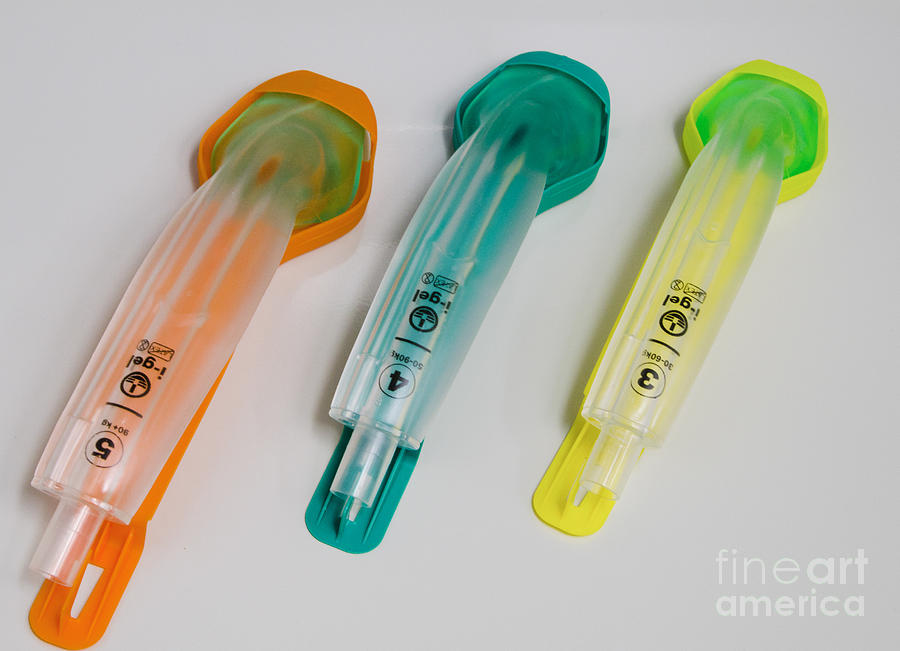
Igels come in 7 sizes.
- Size 1.0 – Neonates 5-11 pounds
- Size 1.5 – Infants 11-25 pounds
- Size 2.0 – Small Pediatrics 25-55 pounds
- Size 2.5 – Large Pediatrics 55-77 pounds
- Size 3 – Small Adult 65-130 pounds
- Size 4- Medium Adult 110-200 pounds
- Size 5 – Large Adult 200+ pounds
Size four is going to be your most common size. Most adults fall into that weight range.
And it’s not an exact science. If you’re unsure, a 4 will usually do it.
Most adults fall into that weight range.

Placing
Once you have the right size, placing the tube is easy.
Obviously, open up the packaging and remove everything.
Then lube the tube.
You’re only putting lube on the back and sides of the IGel.
Don’t put any lube near the opening.
This is another common mistake people make in the field. The lube occludes the airway and makes it difficult to ventilate.
It’s one reason people think the tubes don’t work well. They’re just clogging it with lube.
Just like an IV you insert it bevel up.
This helps place the opening towards the trachea so you get a good airflow.
Then, slide it in until you meet resistant. Them stop.
Don’t do what every firefighter and EMT does. Meet resistance and give a little push “just to make sure”. That little push causes the end of the tube to fold over.
That’s the main thing that causes IGels not to work.
That fold completely or partially occludes the airway.
And now that the tube is folded, it starts causing trauma to the airway. It irritates the trachea leading to swelling and bleeding.
It goes without saying swelling and irritation to the airway is a bad thing.
Securing
Once in place securing the IGel is even easier than placing it.
Thanks to that sick thermal plastic the IGel does a good job securing itself overtime.
However it initially needs to strapped in. The strap you use is pretty similar to ones that come with ET tubes.
And they come in every IGel kit so there’s no need to carry extra equipment.
It’s also a lot easier to secure if you place the strap behind the head before setting the IGel.
Also, don’t overdo the strap. If you crank down on it you’ll bend the tip. It’s the same as if you pushed down too hard when setting it in place.
Why I Don’t Intubate
I’m not your medical director. I can’t tell you when to and when not to intubate.
But I’ll give you my thoughts on it since you didn’t ask.
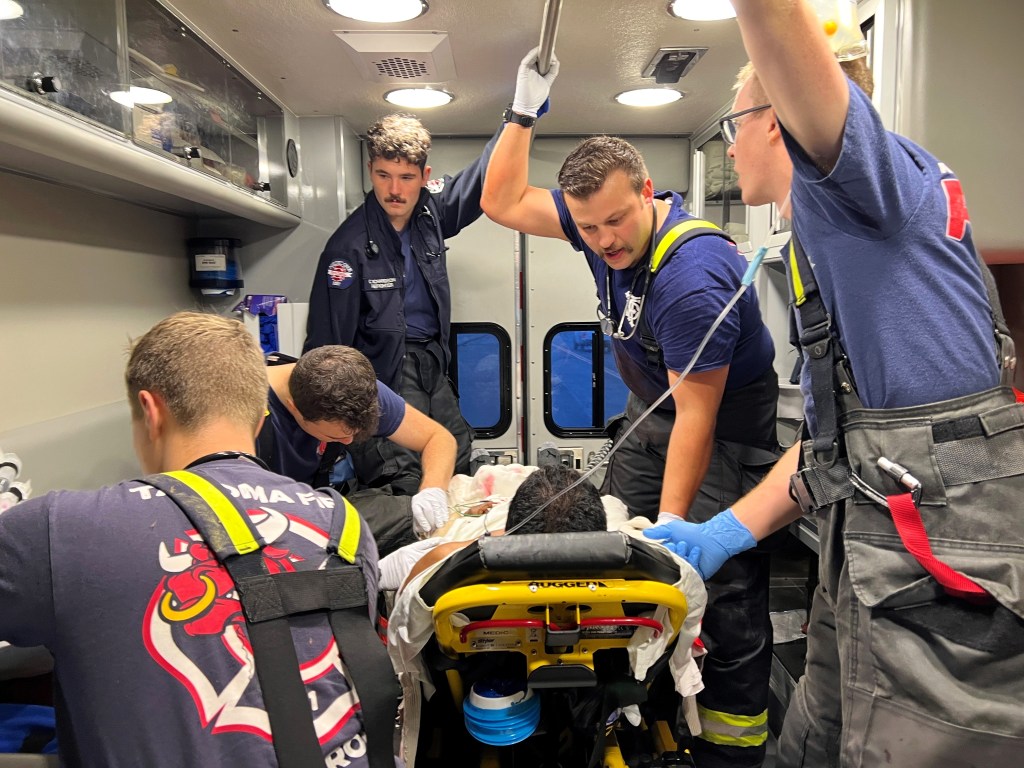
I almost always start with an IGel.
In fact I usually have my EMT do it. And if that’s working, I don’t intubate.
Why would I?
It’s already securing the airway. My patient is good to go. I’m not in the habit of creating extra work for myself.
There’s so much risk involved with switching from IGel to tube.
First off you’re removing a secure airway for no reason.
Second, you risk missing your intubation. You may be amazing, but there’s always a chance. Plus you just created some amount of trauma shoving your IGel in there in the first place.
There will be swelling in the airway after an IGel. And it’s definitely before above the vocal cords.
And if you miss that intubation what’re you gonna do? Try and put the IGel back in?
Good luck.

When You Should Intubate
There are a few scenarios where I think IGels are inappropriate.
The big one is choking.
I always skip straight to intubating choking patients.
IGels are great but they are still a supraglottic adjunct.
IGels do not pass the vocal cords. Do not collect 200 dollars.
When you have the foreign object in the airway you’ve got the chance of shoving deeper into the airway. If you just push it passed the cords you’re not really helping.
At least with an ET tube you can shove it all the way out of the trachea.
It’ll end up in the lung but that’s a problem for future providers.
Conclusion
Well, the science is in.
IGels are just as good as ET tubes. At least in most cases.
So be familiar with your equipment and don’t be afraid to try it out.
You might just like it as much as I do.
And if you want more paramedic resources for new medics check more articles here.


 The Medic Mentor
Leave a comment