
Make Your Own Paramedic Class Study Guides
This article we’ll cover everything you need to know to make a great study guide for A&P. Same rules apply to any topic for a study guide
I tried dozens of free study guides in paramedic class

But none of them were exactly what I needed
So I started making my own.
Here’s how I started making all my own study guides for my paramedic classes
If you’re new here, I’m Shay. I’ve been working in pre-hospital EMS for over a decade. I’ve also taught several EMT and paramedic courses.
Today I’m going to cover everything you need to know to make your own study guides.
And we’ll start with the most important subject, anatomy and physiology.
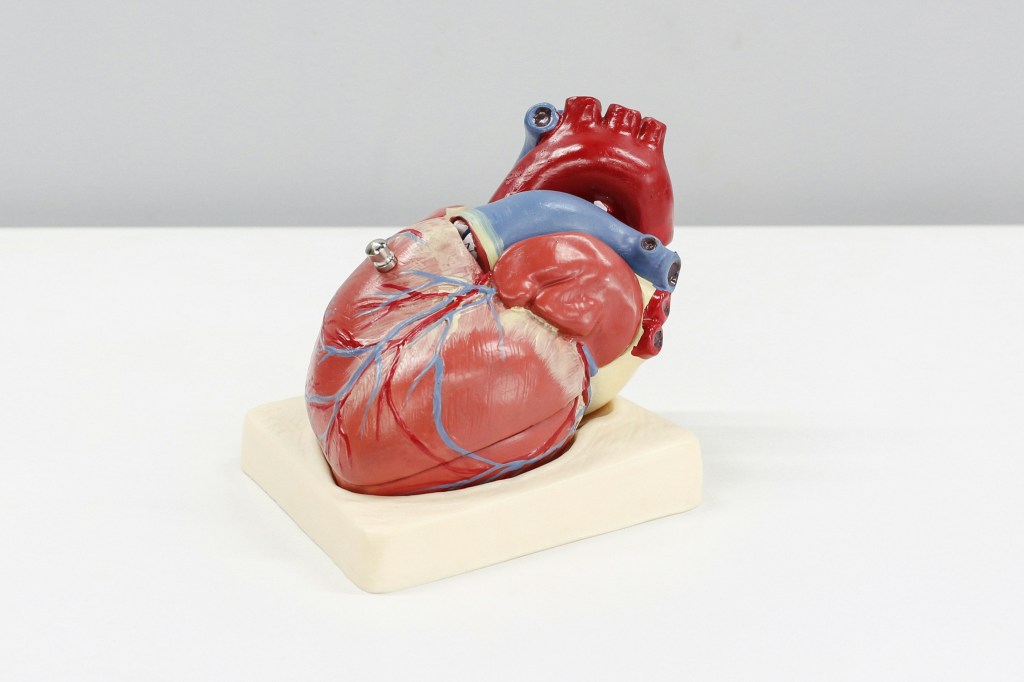
Why Focus on Anatomy and Physiology
Anatomy and physiology is foundation of your paramedic career.
It gives you a foundation to talk to other medical professionals. Not because we want to sound cool or smart. It’s because we can be precise when we’re talking
And it’s important to sound like we know what we’re doing.
When talking to doctors and nurses it gives you more credibility. They’ll believe you a little more and probably give you less crap during pass on.
It also makes patients believe in you.
You only have a few minutes to get some rapport with your patient. Being able to explain some basic medical stuff to them goes a long way.
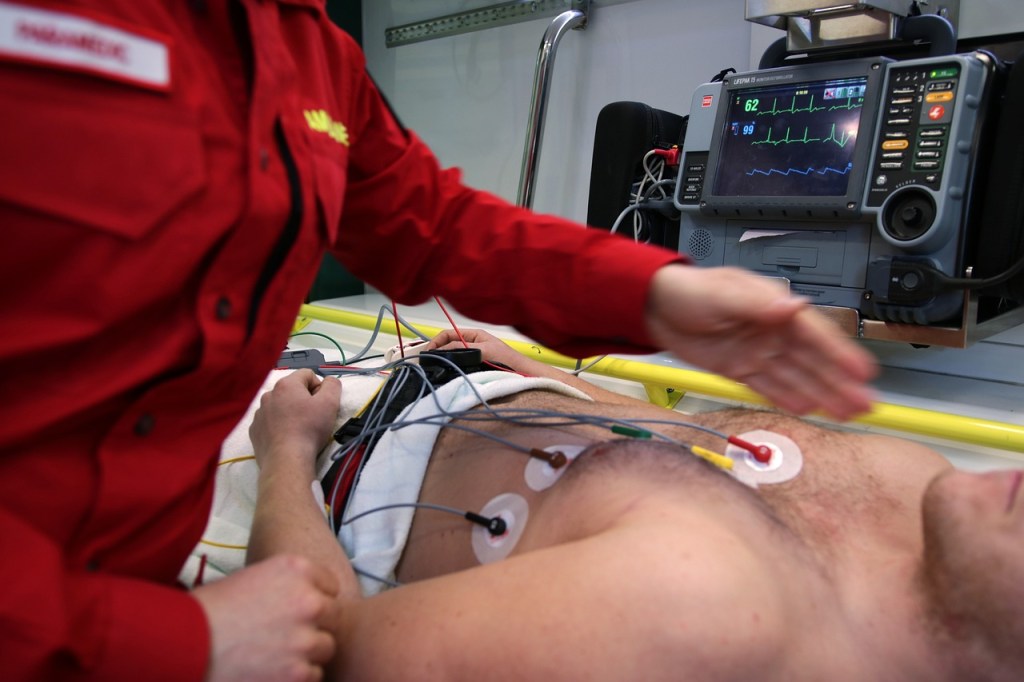
Foundation
Anatomy and physiology is the basis for everything else in class.
That’s why it’s the first part of the course. You can’t do anything as a paramedic without it.
Pharmacology, cardiology, OB, it all gets easier when you know your A&P well
So let’s go into building that foundation by making your own study guides.
Vocabulary
I’ve said it before and I’ll say it again, vocab is the backbone of learning.
Not just paramedic information. But literally anything you want to learn. It all starts with the vocab.
Like if you were learning Spanish.
You wouldn’t start by learning super complicated sentences. You’d learn the basics. A few keywords and short phrases.
That’s what vocab is in paramedic classes.
The essential basics you need to understand everything else.
And all you need is your text book.
Flip to the glossary of the chapter you’re studying and start going through the vocabulary and key terms.
If you can’t fully and easily describe what the word means, you don’t know if well enough.
So go through the glossary and add all the words you don’t immediately know to a big list.
That list is the starting point of your personal study guide.

Explain It
For all the words in that list, write out a definition.
You can just copy and paste the book definition, but you won’t get that much out of it. you’re better off writing the definition in your own words. It’ll be easier for you to remember that way.
Don’t over complicate it.
Making the definition too long means you’ll never remember it.
Because there will come a day when you have to explain it to the world’s dumbest recruit.
So don’t overdo it. Their brain might explode.
Riddle Me This
You have a list of words you’re unsure of.
You made some easy to remember definitions for them.
Now you need to start asking questions.
These questions will help you dive deeper into the material. Ultimately, you’ll know everything you need just by making the guide. You can use it later as a refresher.
Those questions are:
- Where is it?
- What does it do?
- Why?
- How does it work?
- Any diseases it’s related to?
- What drugs affect it?
- Why does it do its job?
Sound like a lot? That’s because it is. This system is designed to help you learn everything you could ever want to know about A&P.
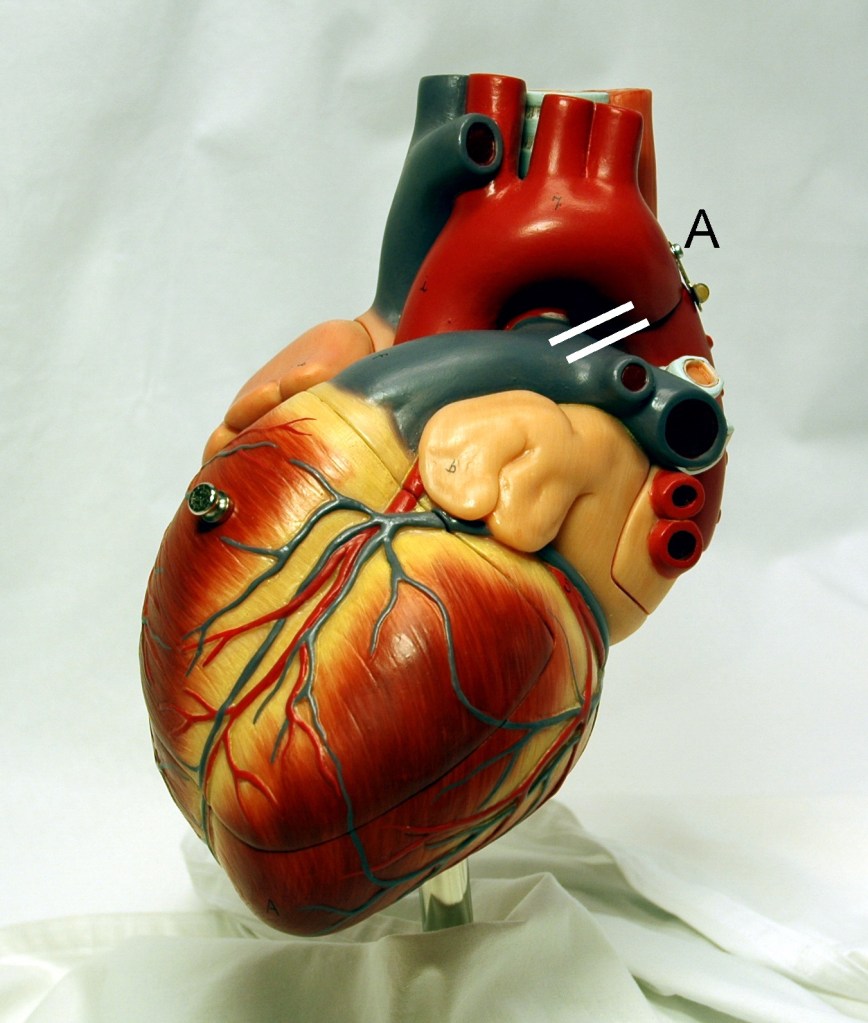
Example: The Heart
Let’s do a super basic example. The heart.
Where is it?
The chest, obviously. But be more specific.
It’s in the chest cavity slightly left of the sternum with the apex between the fifth and sixth ribs.
What does it do?
It acts as a pump to force blood through the arteries (and two veins).
Why?
It pumps deoxygenated blood to the lungs for gas exchange. It also pumps oxygenated blood to organs through the vascular system.
Also, it circulates nutrients and waste byproducts to be removed from the system.
How does it do its job?
That’s a big question. You can explain the rest is controlled by the piecemaker cells in the AV node.
You can dive into how contractions work by excitation of the sodium-potassium pump.
Or you can explain how cardiac output is partially determined by its pre-load.
Or talk about all of these. The important thing is to have a good understanding of how the Organ does its job.
What diseases affect it?
The heart has a ton.
Just choose a couple of the big ones like hypertension or CHF.
Explain how high blood pressure fixed the heart to contact harder each pump. This eventually leads to having a larger heart.
Finally, what drugs affect it?
Paramedics have a lot of drugs that affect the heart.
If you really want the biggest benefits, go through your drug profile and find everyone that affects the heart.
Or pay attention to the big ones.
Things like atropine, adenosine, and nitro are going to be on the list. Go as deep into this as you want.
All this from something as simple as the term “heart”.
Keep getting more specific with your vocab and try doing this for structures like Purkinje Fibers or Basal Ganglia.
By the end of each chapter you’ll basically be an expert.
Anatomy and Physiology Practice Course
But if you still feel like you need some extra anatomy and physiology work, here’s an online course you can take.
It’s quick, easy, and makes the course seem simple.
Remember, it’s important to get good at anatomy and physiology from the start. It’s the building blocks for the rest of your paramedic course.

Do-It-Yourself Medic Class
Making your own study guide helps you in a lot of ways.
The least of which is that you now have a super in depth study guide.
Yours is specific to what you need to study.
And as you build the guide you’re learning the material. The study guide just becomes a refresher.
Give it a try before your next test. I promise that test will feel like a cake walk.
And if you liked this guide, check out my other articles on how to succeed in paramedic class here.
Good luck!


 The Medic Mentor
Leave a comment