
This article is going to teach you how to question patients quickly and effectively on calls.
Questions Every Paramedic Should Ask Patients

Know who’s great at controlling a conversation?
Pushy salespeople.
You know like the ones at time share presentations that you should obviously never buy from.
Generally, most people can’t stand salesmen. I know I can’t.
But they wouldn’t have jobs if their tactics didn’t work. They must be doing something right.
Hey, I’m Shay. I’m a fire medic and I’ve been working for over a decade now.
Here’s how I use sales tactics to make quick decisions on medical calls. All without looking like a huge jerk.
It’s called CLOSER
- Clarify
- Label Problem
- Overview of History
- Sell Them
- Educate
- Reinforce Their Decision
Let’s jump in.

Questions
Our goal for those patients that love to talk is to control the conversation.
Whoever is asking the questions controls the direction.
Make sure that person is you. As long as they are being forced to ask questions, they can’t control the flow of the conversation.
It lets you hone in on the things you thing are important.
You can ignore all the rest.
For example, if you ask, “so what made you call 911 today?” Most people don’t like ignoring questions. So they’ll start off telling you what you want to know.
Maybe they tell you every piece of their medical history. But that’s good.
Use further questions to hone in on their chief complaint.

Rapport
Building quick rapport is also super important.
Thankfully, being a professional that they called gives you some immediate authority.
Way more than that sales guy who follows you around the store trying to sell you something.
Start with your name and rank.
They feel like they’re talking to a real person. It makes them comfortable. Which means they will, hopefully, answer your questions easier.
Just a reminder. This isn’t for the critically ill or injured.
They tend to have obvious problems. And you don’t need or want to spend extra time having conversations.
This works best for mee-maw that tries to talk about her knee surgery from the 1800’s.

Clarify The Chief Complaint
My favorite lines right as I come are “Hey, I’m Shay. I’m a paramedic. What’s going on today?”
It’s friendly and helps me get to the point pretty quick. If they start rambling about their medical history I’m pretty quick to follow up with, “so what’s the thing that changed today to make you call?”
That usually gives me a good chief complaint to work from.
“My stomach hurts,” is a great complaint.
We can dial in with more questions. When did it start? Where exactly is the pain?
But by focusing on asking questions we keep the conversation flowing in the direction we want it to.
When you keep getting lots of answers I hit them with a, “Sounds like you have a lot going on and it’s been happening for a while.”
It acknowledges all their complaints without minimizing them. We might not care, but they sure do.
But it gives you another chance to get to what changed today.
Try to get specific and name one single thing.

Label
Next we label their problem.
We have to restate their chief complaint in a way that makes sense to us. Or at least in a way the hospital will accept.
Sometimes telling the patient their chief complaint back to them makes them see it’s a little silly.
Not that we want them to feel bad. But we do need to get them on the same page.
“So I’m hearing you called because you threw up 3 hours ago, is that right?”
Sounds stupid. Hopefully they get that. And look, we managed to phrase it as a question too.
If they tell you that’s not right, that’s great. You’re getting closer to the real chief complaint.
Because at the end of the day you don’t want to show up the hospital with abdominal pain, only to have them tell the nurse it was really the crushing chest pain that made them call.

Overview
Next is overview.
Or think of it as a patient history recap.
We have the chief complaint. We don’t need the patient’s entire medical history.
Make sure to keep them on track while getting a history. Last week’s headache is probably not relevant to today’s stubbed toe.
Once you’ve gotten through all the PERTINENT medical history, give them a quick recap.
Patients, especially ones that love to talk, like knowing you were listening.
“So your stomachache started this morning after you ate 57 jalapeno poppers. No known allergies and no medications. Did I miss anything?”
Always remember to finish with a question. Keep control of the scene.
If your quick recap is longer than two or three sentences, chances are you could remove some of it.

Sell Them
Ok, time to sell something.
This is where salesmen start really trying to get you in the car.
For us, we’re selling treatment decisions. We tell them what we “prescribe”.
I know we don’t prescribe medications but we can tell them what we’d do to fix them.
Another way to think about this, we’re getting permission to treat (or transport). We can even let them know whether or not they really need to go the hospital.
Not that we’d ever tell someone not to go to the hospital…
Educate
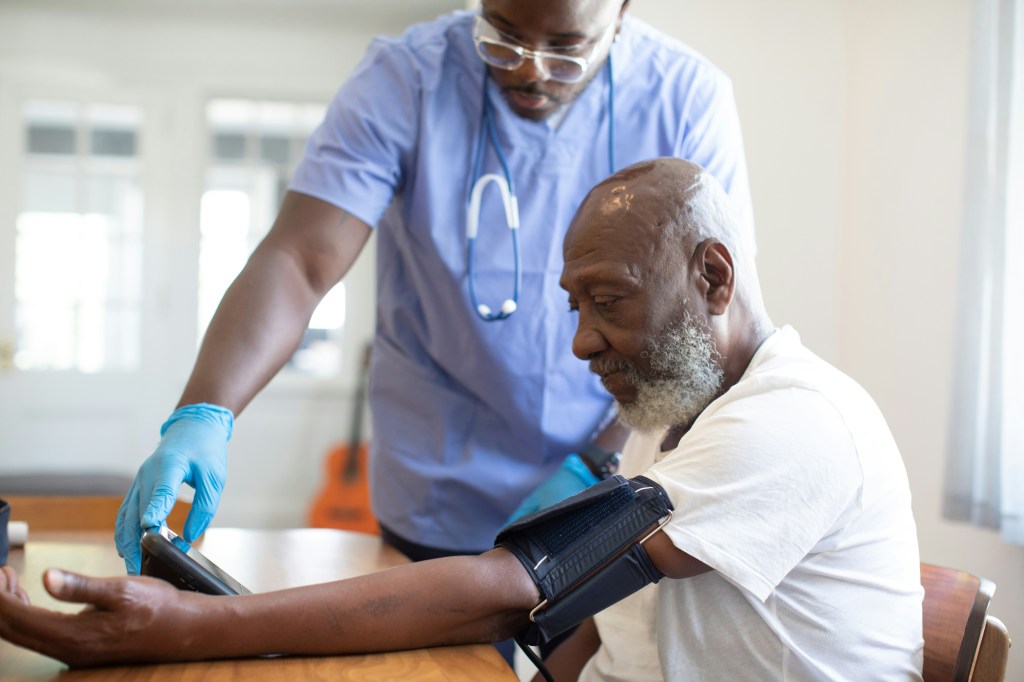
So we told them what we want to sell them. Whether is a medication, transport, or the offer to help them to the car so they can drive themselves, we need to explain why that’s the best option.
In fact, we need them to believe this is the best option.
We simply explain what we found. Talk about the vitals, their history, anything else pertinent to the situation.
Tell them why what your selling makes sense.
And never say, “looks like you don’t need to go.”
I use the phrase “I would feel comfortable with you waiting to see your PCP.” Another good one is, “All of your vitals are looking great, I would feel comfortable with you having your spouse drive you.”
Again, followed with a question. “How does that sound?”
If they are going to the hospital, explain everything anyway.
Patients might not even remember what medications they take. They don’t want to hear all your cool medical jargon.
It doesn’t make you sound cool. It makes you sound condescending.
Explaining something simply makes you seem professional.
Work at dumbing things down for your patients. They need it.

Reinforce Their Decision
Last step. Reinforce their decision.
Even if they’re fine and still want to go, we don’t shame them. Reinforce that they made the right decision.
It looks good on you and your company.
We have this one chance to make a positive impact on their experience. No point in being mean.
Take them with a smile. Drop them off. Bitch about it later.

Congrats, You’re a Sales-Paramedic
Listen, we all hate car salesmen. So don’t try to be one on a call.
This is just an effective way of building rapport with patients and keeping them on track. Something many of our patients need.
It may not always work. Some people are just there to talk.
But its based on some sound principles.
And if you’re looking for more on how to be a better medic, check out these articles here.
Good luck out there!


 The Medic Mentor
Leave a comment