The new NREMT test changes are making worse paramedics.
It’s making paper medics. You know, the ones who are only book smart? Throw them into a crack den with two overdoses and they fall apart.
This is what happens when you take the psychomotor exam out of the national registry testing.
Today, we’re covering exactly what changed, what that means, and how you can prepare for the field as a new paramedic.
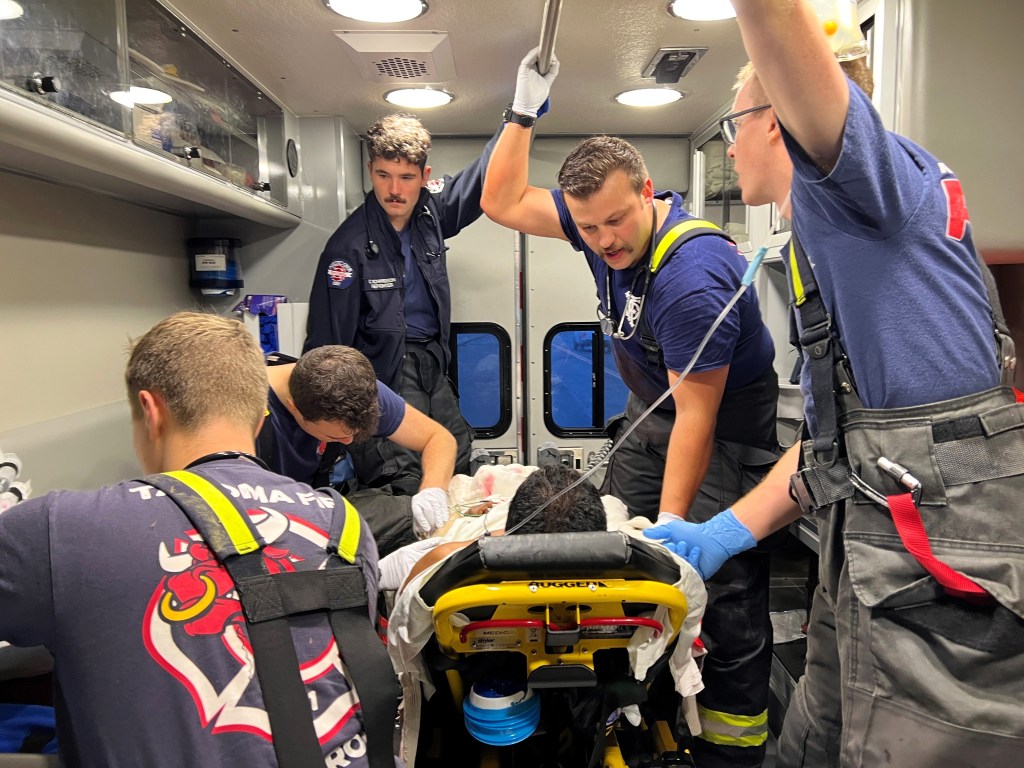
What Changed
The paramedic NREMT changed dramatically in 2024.
Here’s what happened.
- New question types
- No psychomotor exams
New Question Types
The new question types are actually a good thing for the test.
It’s no longer a simple multiple choice exam. They are better at assessing paramedic’s knowledge base. The exam is more accurate and gives a more reliable score overall.
I go into more detail about the written exam changes in this article.
No Skills Exam
With some good there comes some bad, too.
The NREMT removed all skills testing from their requirements.
No more waiting all day through skill stations. Throw away those skill sheets. You no longer need any of those to become a nationally registered paramedic.
Kinda scary, huh?
Why It Matters
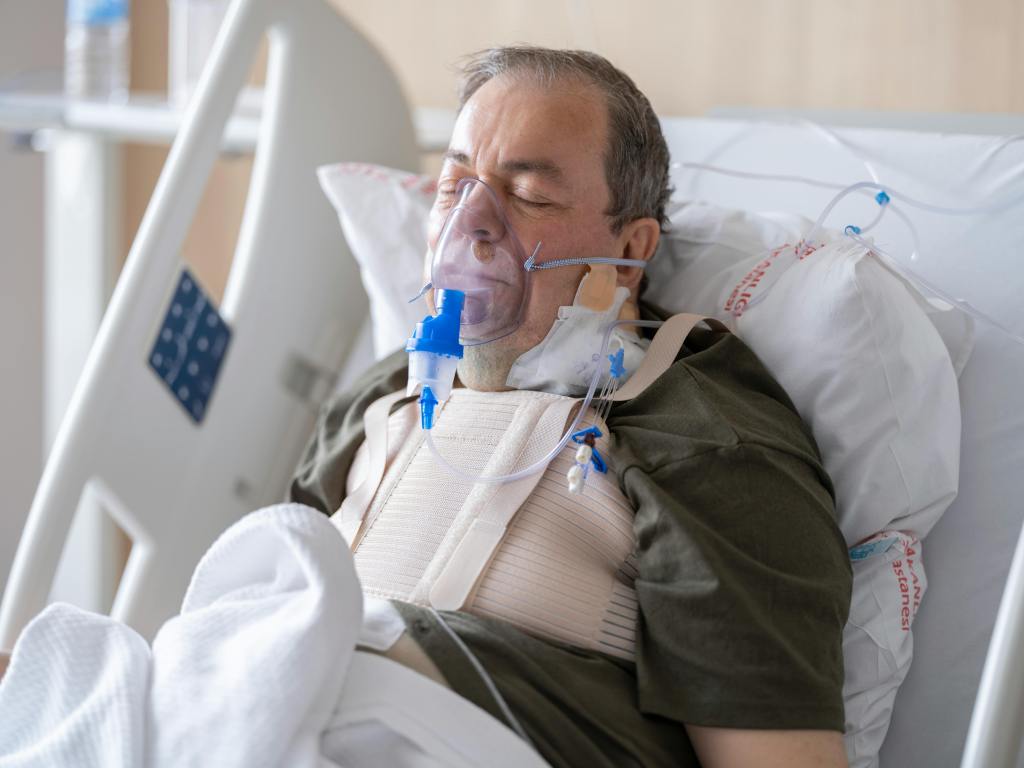
Removing the skills testing from national registry hurts medics in a lot of ways.
We’re losing those all important skills that can’t be taught from a book. They can only be learned by experience. And skills testing was a great, low-stakes way to get that experience.
Situational Awareness
Remember that crack den from earlier?
Well we’re back. Anyone whose run a lot of calls knows the risk isn’t in the two patients we can see. It’s the gun you missed sitting next to the rando in the corner.
That’s a hard skill to learn from a textbook.

Performance Under Pressure
Paramedics don’t have the luxury of taking a second to chill out.
You are working in true emergency situation. When you need to perform a chricothyrotomy, you need to perform it now. You don’t have time for shaking hands. You can’t hesitate. You need to move.
Obviously, classrooms can’t recreate a true life or death situation. Well, not ethically at least.
But they can up the pressure. A great way to do that is to force new paramedics to perform skills in a stressful situation. I always feel more stressed in an evaluation than I do on calls.
Adaptive Problem Solving
Written exams can’t change mid-question but scenes can.
Even if you know every treatment algorithm to a tee, you might still be unprepared for a hectic call. That’s because you need to be able to change your game plan on the fly. Respiratory calls can quickly become cardiac arrests. Small fall injuries can suddenly be a TBI with and intubation.
These are things we can only practice through scenarios.
And it’s something we very much need in the field. We need to take in new and changing information and change direction quickly. We also need to be able to communicate that change to the rest of our crew.
Removing the skills from national registry testing removes some of these fundamental skills from our medics.
How To Set Yourself Apart
Try using the CRAPS skill framework.
C-Commit
R-Reasoning
A- Algorithm
P- Positives
S- Stops
You’re going to need a partner for this one so pick someone you trust.
First, commit to a diagnosis. This is a drill so you can’t backtrack once you’ve decided.
Then, show your reasoning. Why do you think this is the right diagnosis? Why didn’t you choose others? Make sure your first diagnosis wasn’t a lucky guess. Back it up.
Find the treatment algorithm this diagnosis falls under. Is it anaphylaxis or GI issues? What are your treatments?
Positives. What did you do well? Was your initial diagnosis right? Did the reasoning and algorithm match up?
Finally, stops. This is where your partner criticizes all the things you messed up. Was your diagnosis wrong? How was the medication dosing? Where you right but just really slow at getting there?
All this ads up to a really good practice session.
You didn’t just flounder your way through, you made a call and defended it with good reasons. You get specific feedback on what to make better the next time. And specific feedback is easier to implement.
It’s hard to just “get good.”
Don’t worry
Just because the NREMT is screwing over a bunch of other paramedics doesn’t mean you have to be one of them.
You just have to work a little harder in the class to come out ready to crush it.
Good Luck!
P.S. If you’re worried about the written portion of the exam check out our affiliate Pocket Prep. They are one of the best study apps for the NREMT and give you super detailed breakdowns of all their thousands of questions.


 The Medic Mentor
Leave a comment