Paramedic Students Reveal the Best Way to Prepare for the Paramedic NREMT
Congrats!
You’re done with class. You’ve finished all your clinicals.
You only have one step left before you can call yourself a paramedic.
Pass the NREMT.

You may have heard some horror stories about the Paramedic National Registry exams.
And they might be true. But every paramedic you’ve ever met has passed it and so can you.
To make it a little easier I’ll show you how I did all my prepping for my National Registry test.
I basically did three things to prepare.
- Study Vocabulary
- Read Chapter Summaries
- Review Chapter Objectives
That’s it.

I know it doesn’t seem like enough to pass the NREMT but trust me on this. This little system is way more involved than it looks.
Study like this and you will pass the NREMT first try.
What the NREMT is Like
The National Registry for Paramedics exam comes in two sections.
The first is the psychomotor exam which you’ll do in class. The second is the cognitive exam.
Thats what you’re studying for here.
The exam is a computer adaptive test, meaning it gets harder the better you do. If you start doing really well on a particular section, you keep getting harder questions.
For me this meant I started getting questions on prescription drugs I’d never even heard of.

So if the test is getting harder it means you’re doing well.
On the other hand, if you aren’t doing well it will give you more basic questions in that area.
You only have so many chances to pass a section.
The test is a minimum of 80 and a maximum of 150 questions. Chances are if you hit 80 and it cuts you out, you did fine. You’ll hear that a lot from other medics.

Oddly enough not every question counts towards your score.
Only 60-130 of those questions are “live.” They are the only ones that count.
You will also have 20 questions that are “Pilot” questions and don’t count towards your score.
Unfortunately there’s no way to know which questions are which.
The NREMT breaks its exam into several categories including
- Cardiac
- Airway
- Trauma
- Medical/OB
- EMS Operations
We don’t have time to dive into each section today, so lets just focus on some practice strategies.
What to Study
There is only so much time in a day. You can’t study everything in your book for the exam.
Figure out what topics you are worst at.
Focus most of your study time on those topics and you’ll get the biggest return on your time.

OB for example. It’s not something we focus a lot on in class. We also don’t see it much in the field.
The exam will know if you are weak in that area.
Don’t shy away from it while studying because you’re bad at it.
You need to be good at everything to pass the NREMT.
The study strategy below works for any topic
Pick the areas you need the most help in.
Step 1: Learn Your Vocabulary
You won’t be able to answer a question if you can’t even figure out what its asking.
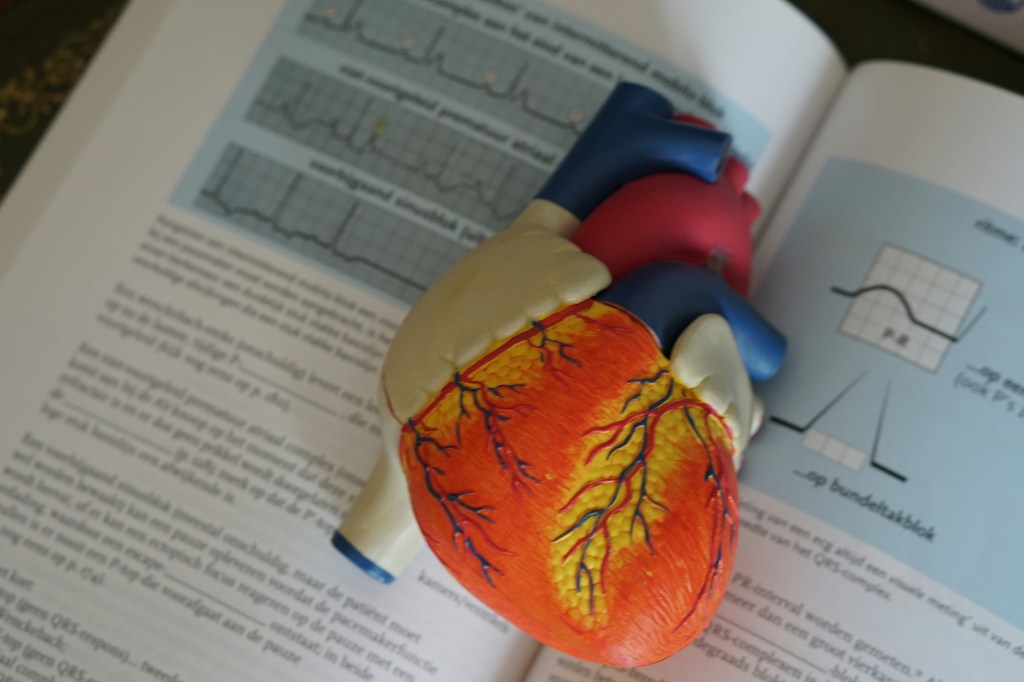
And I don’t mean basic vocabulary like anterior, posterior, or lateral.
I mean dive into the keywords for every chapter. Specifically chapters you don’t know well.
Take our OB example.
It’s a great start if you know what the placenta is. Even better if you can explain what it does and how it develops. But to do well on the test you should be absolutely sure of the difference between placenta previa and abruptio placentae.
If that sounds like a Harry Potter spell, that’s a bad sign.

Really break down and explain everything in your textbook’s glossary. You should be able to explain it to the dumbest EMT.
This step is simple, but it can take a long time.
Don’t skimp. You want to have a really good grasp before you step into the testing center.
Now on to step 2.
Step 2: Chapter Summaries
Did you skip those little bullet point lists in the back of the chapter?
I sure used to. At least until I figured out how useful they are.
Those are the pieces of information the textbook really wants you to know.
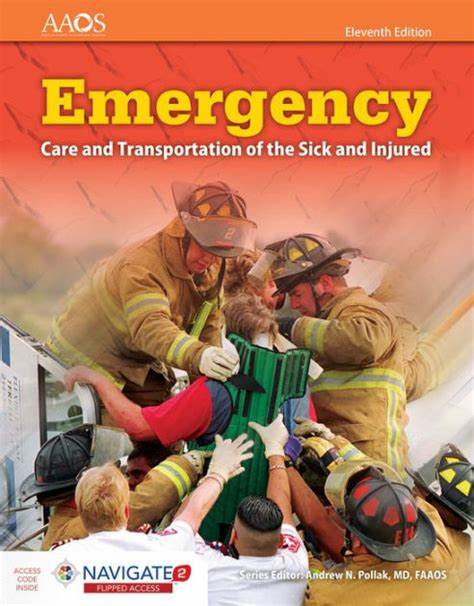
They are put there for a reason. Yes, definitely use them BEFORE class to set yourself up for success. But they are even more useful as a study guide.
No need to highlight every word in a chapter.
Research even shows highlighting doesn’t help retention very much. Focus really specifically on what the book wants you to learn from that chapter.
And guess what. This step is super quick.
You can read these chapter summaries in a few minutes and get all the main points of the text.

We have our vocabulary dialed in and we made it through the chapter summaries.
Let’s really drive this information home.
Step 3: Learning Objectives
Every chapter starts with a list of learning objectives.
And everyone jumps right past them.
Don’t do that. Turn those chapter objectives into mini-classes.
Use those classes to test how well you know the material.

Back to our OB example. The first objective of that chapter is, “Describe the physiological process of menstruation and ovulation.”
Pretty straight forward.
But turn that into “Give a 15 minute presentation on the physiologic process of ovulation.” See if you can make a mini-class on that topic.
You’ve already learned your vocabulary.
You studied the chapter summaries a hundred times over. It should be a piece of cake.
Did you die a little inside?
That’s fine, but maybe you don’t know that as well as you thought.

You will be surprised at how many holes in your knowledge show up once you try to teach something.
That’s great though because now you know what you need to study more.
And I highly recommend trying to make your mini-classes strictly from memory.
It forces you to recall the information rather than just organize it from the book.
Retrieving information this way is called active recall. Active recall is one of the best ways to force information into your long-term memory.
It builds those connections in your brain to make retrieval easier in the future.
This step can take a long time, especially if you do it with every objective.
My advice, focus on the test categories you feel least comfortable with.
Making the NREMT Look Easy
With those three easy steps, you should feel fully prepared to pass the paramedic NREMT. If you started with this method at the beginning of class, even better.
But if you’re still feeling behind there’s one more thing you can do.
Take practice tests. There are a ton of resources available but Pocket Prep is one of the best.
They have tons of questions in their test bank and several membership options.
I hope this method helps you.
I used it for my entire paramedic class and ended up with one of the highest grades in my cohort. And if you need even more help find all our recommended study guides here.


Leave a comment