What’s New With the NREMT-P
If you’re reading this I’m guessing you’re a paramedic student about to take the NREMT.
Congrats! You’re almost done and ready to start running real calls. But have you heard the big testing news?
The NREMT got a major upgrade in 2024.
That means the advice your salty old medic gave you about their test from 1999 probably isn’t that valuable anymore.
While it sounds scary, it’s actually a good thing.
Hey, I’m Shay. I’ve been working 911 fire and EMS for over a decade. Today I’m going to go over everything you should expect to see on the new NREMT exam. And as a Paramedic instructor this topic is near and dear to my heart.
I’m going to cover why they made the change, what’s actually different, and how to approach this new test.
Ready to go?

Why the NREMT changed
The changes to the Paramedic NREMT come from the National EMS Practice Analysis.
It was basically a big study that looked at what paramedics actually do on the job.
The study did a lot of things for EMS. One of those was to help create a test that doesn’t just measure what you crammed into your brain before the exam. It tries to evaluate how well you can apply that knowledge under pressure.
See, The new test isn’t just about memorizing protocols.
It’s about critical thinking and decision making. Skills you will absolutely need in the field.
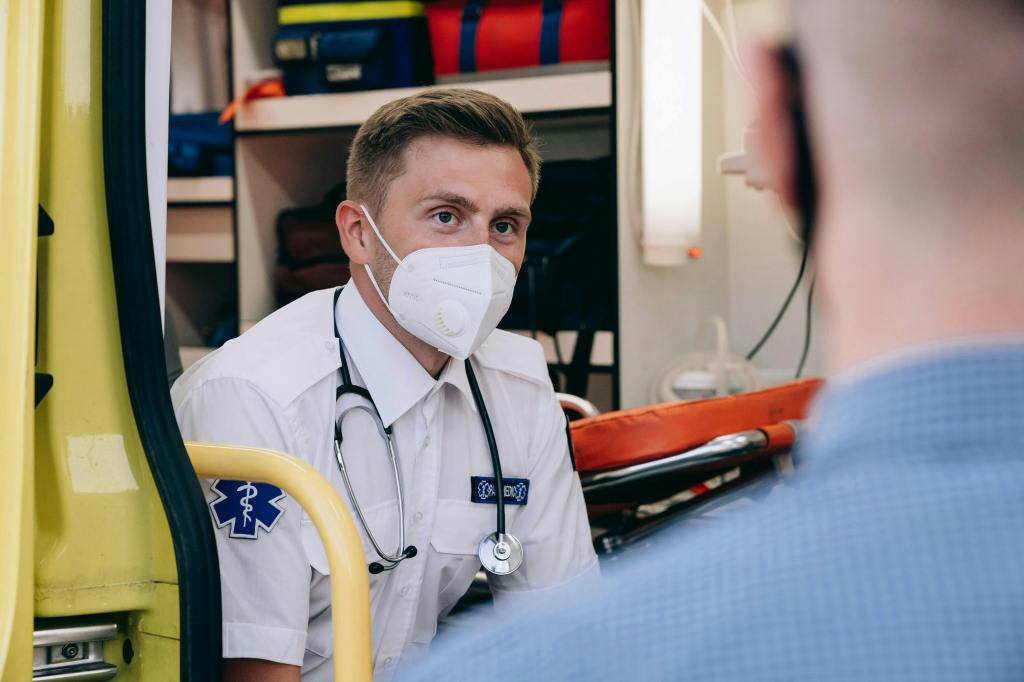
The test’s focus has shifted to
- Real-World Decision-Making.
- Clinical Judgment
- Field-Ready Skills:
Real-World Decision-Making. we all have our standard protocols. Hopefully, you know them front to back. But the hardest part about paramedicine is often figuring out what protocol to use.
EMS is all about adapting to complex, high-stakes scenarios.
That’s why it’s such an exciting path.
The new test gives you vital signs and ECG readings and expects you to make quick, competent decisions.
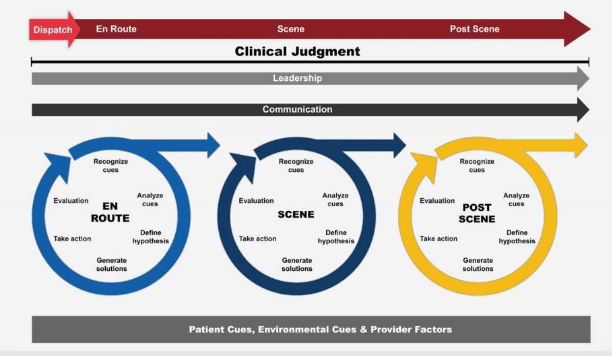
Clinical Judgment. Can you properly assess a situation? Then, can you properly prioritize your next steps?
This new test puts those skills on blast to see if you’re ready for the real world.
• Field-Ready Skills: you still have some simple textbook answers, but fewer than previous tests.
Be ready with for ECG interpretation, medication use, and treatment algorithms.
Sounds like it will be a harder test.
But the goal is simple. Make sure new paramedics come out of class ready to provide the highest level emergency care.
What’s actually on the New Test?
The new exam changed three things.
It changed how it wants questions answered. It’s expanded past multiple choice questions. And changed the length of the exam.
The new NREMT exam is divided into six key domains. Each one is designed to test critical areas of paramedic knowledge and skills.
Section breakdown
Here’s are the six main categories you’ll find on your exam.
- Airway, Respiration & Ventilation (8–12%)
- Cardiology & Resuscitation (10–14%)
- Trauma (6–10%)
- Medical, Obstetrics & Gynecology (24–28%)
- EMS Operations (8–12%)
- Clinical Judgment (34–38%)
If you’ve looked up the exam in the past these may look similar. But now there’s one notable difference.
Clinical Judgement.
This wasn’t a section on the previous version of the tests. And it’s not its own section either. Some of the questions incorporate two different categories.
For example.
A question might ask you about airway management while also forcing you to make a tough decision with limited information.
That counts towards your airway AND clinical judgement sections.
What about those new questions?

New Question Types
The updated NREMT isn’t just multiple-choice.
In order to better test your ability to function as a paramedic they’ve added 3 new questions types to the exam. These are
- Scenario based
- Drag and Drop
- List Building
- Visual Data interpretation
Scenario-Based Questions. These are detailed scenarios for you to assess and prioritize patient care.
Essentially these are the multiple choice sections of the test.
Drag-and-Drop Questions. These questions want you to organize information in a logical order.
You’ve probably seen these before in other tests.
They aren’t super hard and as long as you can figure out one or two, you should be able to get the rest.
Building Lists/Prioritization Questions. These show up in one of two ways. one is selecting multiple correct answers from a list. Or rank answers in order of importance.
This can be as simple as figuring out the top three interventions for an asthma.
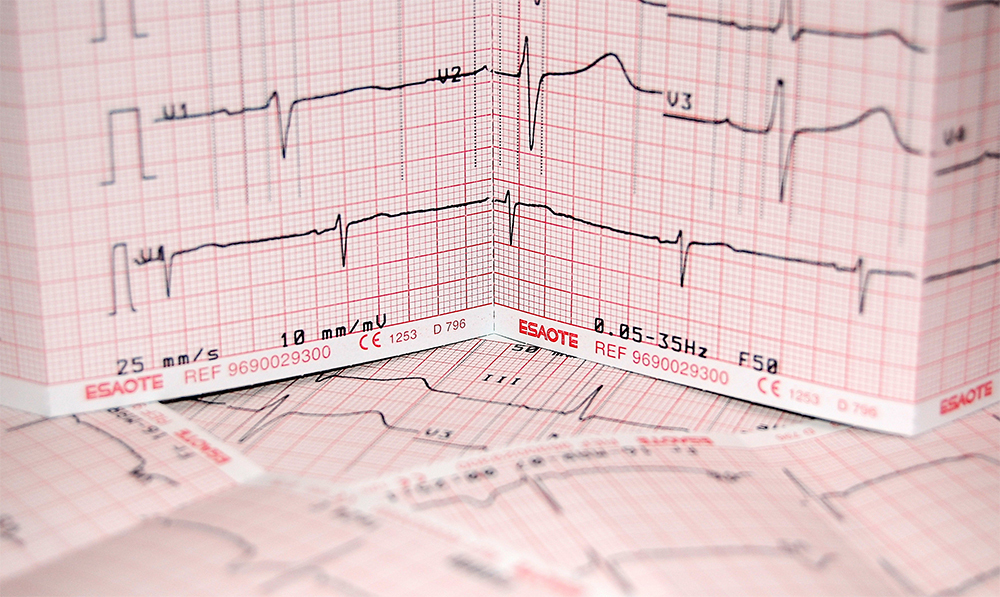
Visual Data Interpretation. You will analyze ECG strips, vital signs, or other images to make decisions.
These are the most realistic questions you’ll encounter on the test.
Much of what you’ll do in the field is ECG interpretation and vitals assessment. If you’ve been practicing hard during clinicals this should be no problem.
There’s nothing wild about the new question styles.
They feel like they’re more applicable to how we as medics use the information in the wild.

Test Length
You may have heard in the past that exams will cut you off at 80 if you’re doing well.
That has changed.
You have a minimum of 110 questions on this exam. The max you can get is 150. If the test isn’t 95% sure you know the material by that point, it cuts you off and you’ve failed.
This new, longer test helps it determine with more accuracy how well you know each section.
The program is still adaptive. This means you will get 20 baseline questions to start with. Then the test will feed you questions it thinks are just above your knowledge level.
The more you get right, the harder the test gets.
So if you hit a point in the pharmacology section that asks about chemo drugs, just know you probably did pretty well on that section. The test is great at making you feel dumb even if you’re doing well.
So now you know what the new test looks like. Let’s actually take it.

How to Prep for the New Exam
Preparing for the new NREMT exam is thankfully a lot like prepping for the previous one.
Study your weak spots. create a study schedule. Use a good study program.
That’s the down and dirty of it.
But if you want a full guide on NREMT test prep, you can check out this one I wrote here.
Pocket Prep
Or if you want to take the headache out of studying, try Pocket Prep
It’s my number one recommended study app.

*And if you use our link we get a little kickback. It costs you nothing but it helps keep the lights on over here.
Parting Thoughts
The new paramedic NREMT is definitely more challenging than before.
But it’s also more like the life-and-death decisions you’ll face in the field.
Having a test that focuses more on real world critical thinking skills will leave you feeling more prepared than ever to get out into the field.
So study hard. Don’t over complicate things.
I’ll see you on the other side.
And of course if you want more study resources you can find the rest of my articles over on The Medic Mentor Blog.

 The Medic Mentor
Leave a reply to 100’s Of Paramedics Lose Their NREMT Each Year. Here Are The 3 NREMT Paramedic Recertification Requirements So You’re Not One Of Them – The Medic Mentor Cancel reply